Aida: The Struggles and Blessings of Being an Immigrant’s Daughter
While Heartfelt Tidbits works with first-generation immigrants, a perspective often missed is the children of immigrant parents. We got the pleasure of interviewing and learning about the experience of Aida, a U.S.-born citizen of immigrant parents.

Adam Thomas, Unsplash, May 19, 2020
Aida’s parents immigrated to Texas around 1998, a few years before she was born, and got their citizenship while she was in middle school. The day they were granted citizenship, a feeling in the house shifted. The house relaxed knowing the entire family had a secure spot in America. As a child, Aida did homework at the table while her mother muttered answers under her breath in practice for her citizenship test. Even though she is not an immigrant herself, the immigration process for her parents has influenced and altered her upbringing in unique ways.
One of the most impactful ways immigration influenced her life compared to many others is her educational journey. Two years before graduating high school, her father passed. This left her mother grieving while at the same time, solo-providing for the family emotionally and financially. Neither of her parents had gone to college, and with only one parent, there was even less support to figure out how to get into higher education. Because of her mother’s grief and carrying the entire family on her shoulders, Aida didn’t want to add to her stress by asking questions about college. She knew that her mother wouldn’t know the answer, and it would be more work for her to search for them. Aida says, “...a lot of my friends had parents who went to college here and could just know all these things that seemed like common sense to them, but I didn’t know that or have that, and I know I shouldn’t have, but it felt really embarrassing for me at the time having to rely so heavily on stuff like Google and my school counselor, because apparently it was obvious to everyone else.” The amount of extra steps, energy, and time it took her compared to her peers frustrated her; it was not something everyone else had to go through.
After jumping through all the hoops to apply to colleges, she started getting accepted into universities! Being a first-generation college student meant more than she had realized. She is the oldest in her family, and being accepted into any university was a huge, exciting success! She had cousins she didn’t know existed calling to congratulate her. She was extremely proud of herself, but she also felt heavy pressure setting in. Growing up, there was an obvious expectation to have a good work ethic. Not only school, but everything. It was never explicitly stated, but the idea was, “no matter what I do, show up, do my best, don’t give up halfway”. There was almost a little bit of fear to be perfect, too, to not make mistakes, because if she did, she would be wasting her parents’ sacrifices. Even though the pressure was high, she found it to be motivating and could channel it positively.
Dom Fou, Unsplash, November 30, 2020
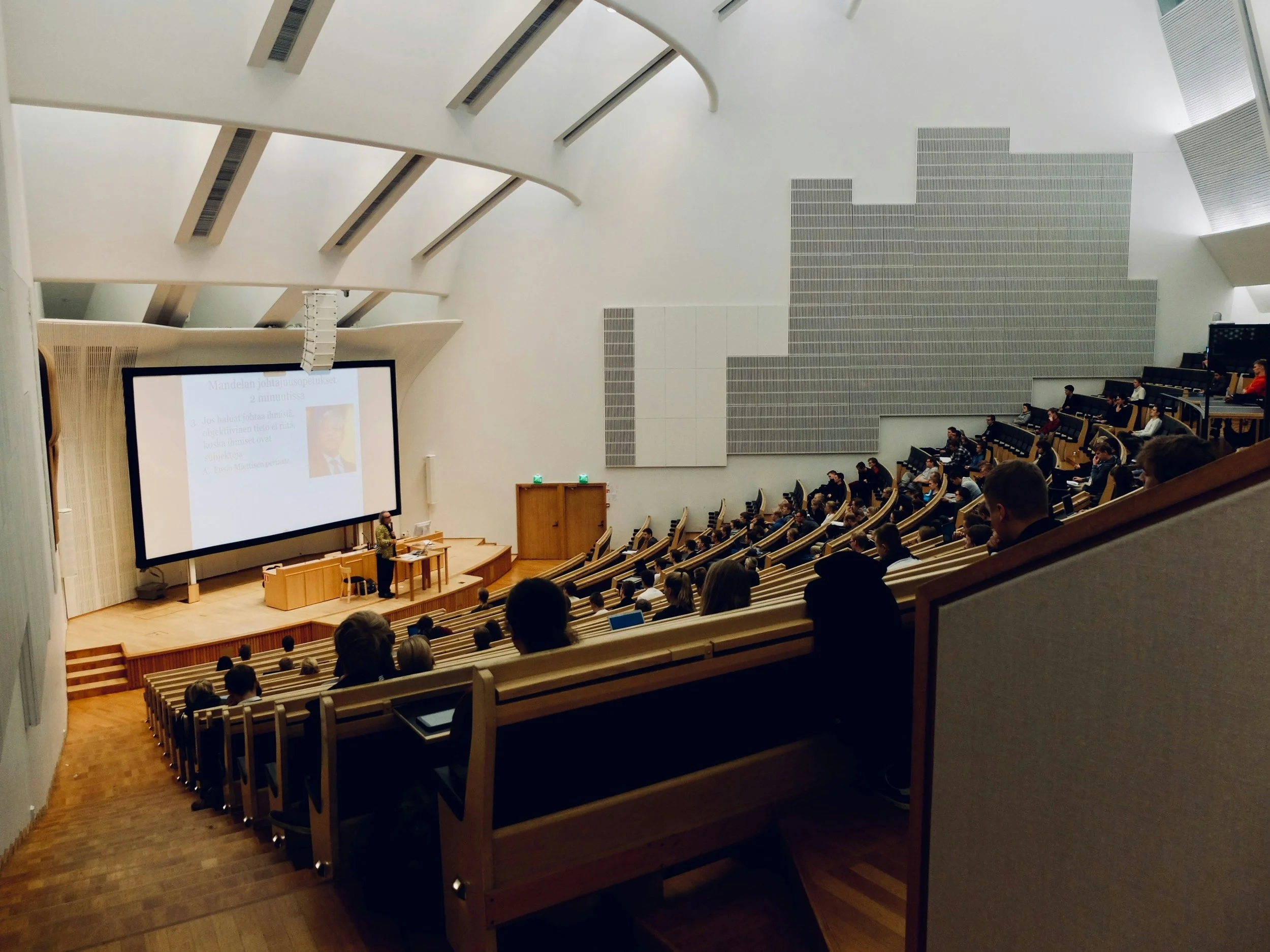
After choosing a college and being ready to take on the higher educational journey, the challenges created by being a first-gen didn’t stop. She didn’t realize how much there was to be learned; it felt like she was consistently ten steps behind everyone because she didn’t know what she was supposed to be doing. There were a million new concepts, and once she thought she had heard it all, a million more concepts would appear. Cover letters and internships were just a few of them.
Internships were exceptionally aggravating because her peers seemed to all find them through family connections. She didn’t have that resource, and it felt unfair how many additional applications she had to do simply because her family wasn’t connected like others.
Finances were their own challenge. College is expensive, and her mother didn’t know the vocabulary for financial aid documents. Aida barely understood how loans worked at the time, and so she couldn’t help, even though she wanted to. Thankfully, her guidance counselor was able to walk through FAFSA with them step-by-step, and with the amount of CCP classes she had taken in high school, she was able to save a lot of money. However, it was again extra help and energy for something many others could hand off to their parents.
Professional emails were an unexpected difference for her, too. While her friends had parents who could proofread and edit their work, her mother didn’t know what made a good email. She was back to being frustrated by having to rely on internet tools like Grammarly.
Being a first-generation college student didn’t affect only her college applications, but also her ease of getting a job, internship, financial aid, and everything in between. Though never ever did she blame her parents for her stress or hate them for what they didn’t know or couldn’t provide. She is proud to be a first-generation student and is grateful for the sacrifices that made college an opportunity for her.
Rusty Watson, Unsplash, May 21, 2020
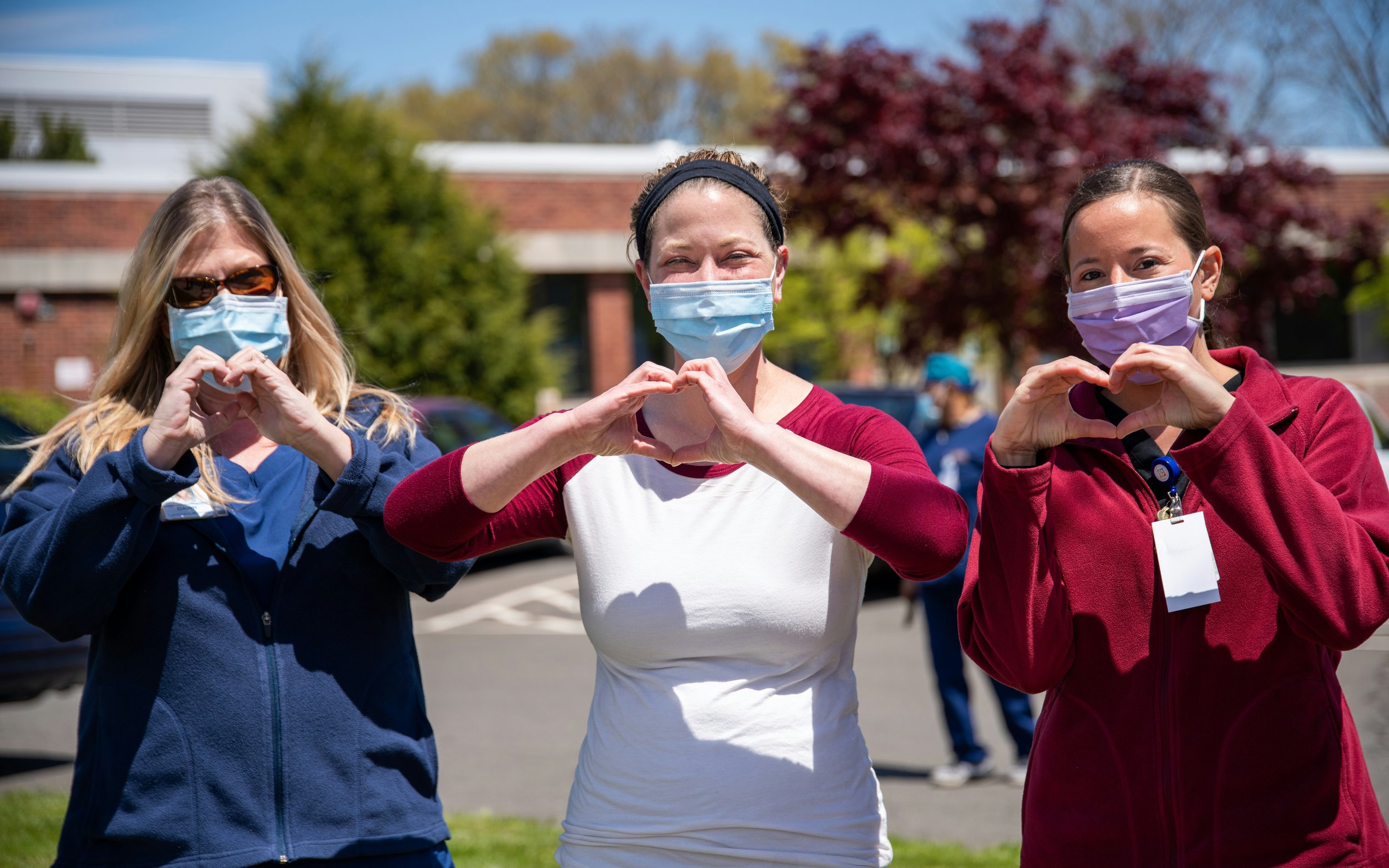
Aida is now a scrub girl and adores her coworkers and job. When her father passed two years before high school graduation, it was from COVID. While he was sick, she noticed the mayhem nurses were in from the overpacked hospitals. Even in their chaos, it never changed how they treated her dad or how they spoke gently to her mother so she would not panic; it made a horrible situation a lot less terrifying. Their kindness stuck with her longer than she had expected. She does say that she is grateful she did not have to work during the pandemic!
Even in her occupation, her upbringing changes her work experience. Being bilingual, she loves that she can speak Spanish to patients who don’t know English or can offer it to people whose first language is Spanish. She loves that she can provide something familiar, and she can see their bodies relax and face become less fearful. Even though there are many other bilingual people in hospitality, she can see that each one of them is impactful.
In her courageous journey, she left a message for other first-gens.
“Don’t be afraid to ask questions, even the ones that feel stupid, because everyone else had someone teach them at home, but you’re literally teaching yourself in real time, and I know that’s something that, when I was going through the process, I was ashamed of, but it really isn’t something to be ashamed of. And also, don’t compare your timeline to anyone else’s, because even if your path is messier or less linear than others. That doesn’t mean it’s less valid because you’re literally the first in your family, like building something from the ground up, and that’s already a huge accomplishment.”