My Impostrous Immigrant life
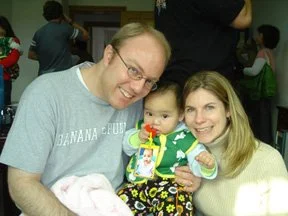
Adoption Day, January 9th, 2006, Guangzhou, China
How Being an Adoptive Immigrant Influenced My Entire Identity
Hello! My name is Zoe Wooten, and I am an intern for Heartfelt Tidbits. As I’ve read and listened to multiple immigrant stories, I noticed many similarities among their different journeys. It wasn’t until I was out one night and a stranger screamed, “Go back to your country,” that I remembered, I am an immigrant too! However, my story has no overlap with the stories I have heard. So I wanted to share mine, too.
I was adopted from China in 2006 as a baby, and even though I fall under the category of “immigrant,” I never believed there was anything “immigrant” about me.
When people ask about the immigrant experience, they usually ask, “How has being an immigrant affected you?” The answers often include culture shifts from inside the home vs outside the home, their food disgusting others, their parents not understanding the school system, and their friends not taking off their shoes when visiting their home. My life includes none of that, but that’s because my immigration wasn’t a cultural shift. It was a shift in where my identity is rooted.
I’ve noticed the key difference between typical immigrants and me. They are navigating external cultural and systemic change. I am navigating internal emotional and psychological ones.
It wasn’t until I replaced the word immigration with adoption that I realized it had influenced every part of me. Adoption is my immigration. So the question for me is, “How has being adopted affected you?” And the answer to that is everything.
Here’s a glimpse.
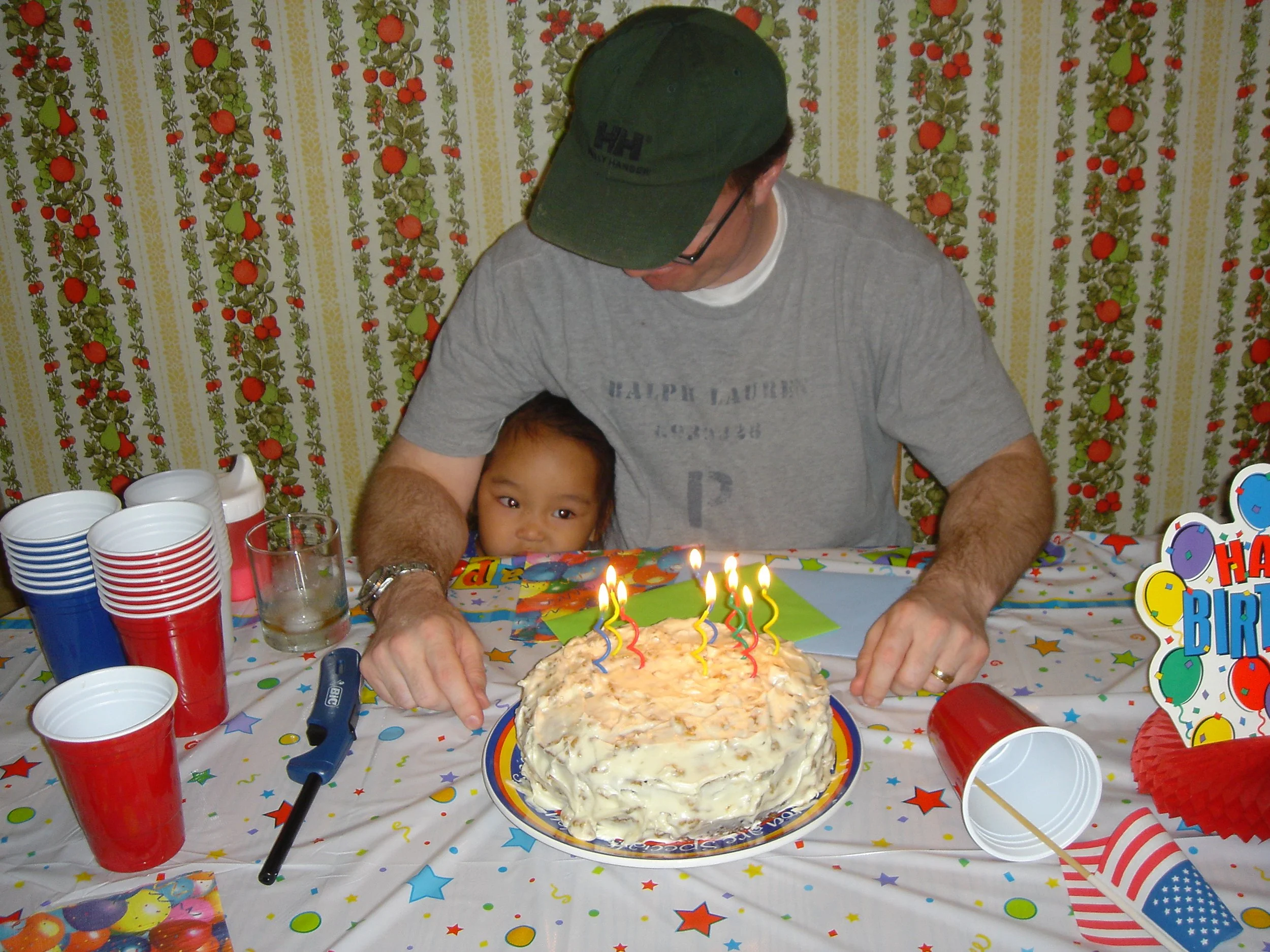
Dad’s Birthday, July 4th, 2007
Growing up with a white family in a white neighborhood, I was extremely self-conscious of appearances early on. I asked my dad numerous times, “Can we trade skin?” Even if it was baggy on me or hairy, I wanted it anyway. I wished so badly to have blonde hair and blue eyes like my neighbor. To myself, I wasn’t beautiful, and I didn’t believe I even looked Asian.
I Googled Asian girls to see what I should look like. They all looked the same with white skin and monolids. I don’t even have monolids! I compared my thigh width to the few other Asian girls I saw growing up, and to the Chinese women when my family traveled to China to adopt my sister. Every time I was bigger. But I was tall, and my child brain didn’t understand that being taller makes you bigger. When everyone hit puberty, my body barely changed. For years, I was waiting to grow into this womanly body, but it never really came.
I hated that I wasn’t a copy of anyone else when I felt like I should have been. This is one of the early ways adoption affected my perception of beauty and how I measured myself against it. The rareness of seeing my own race also surprisingly made me detach from engaging in racial justice.
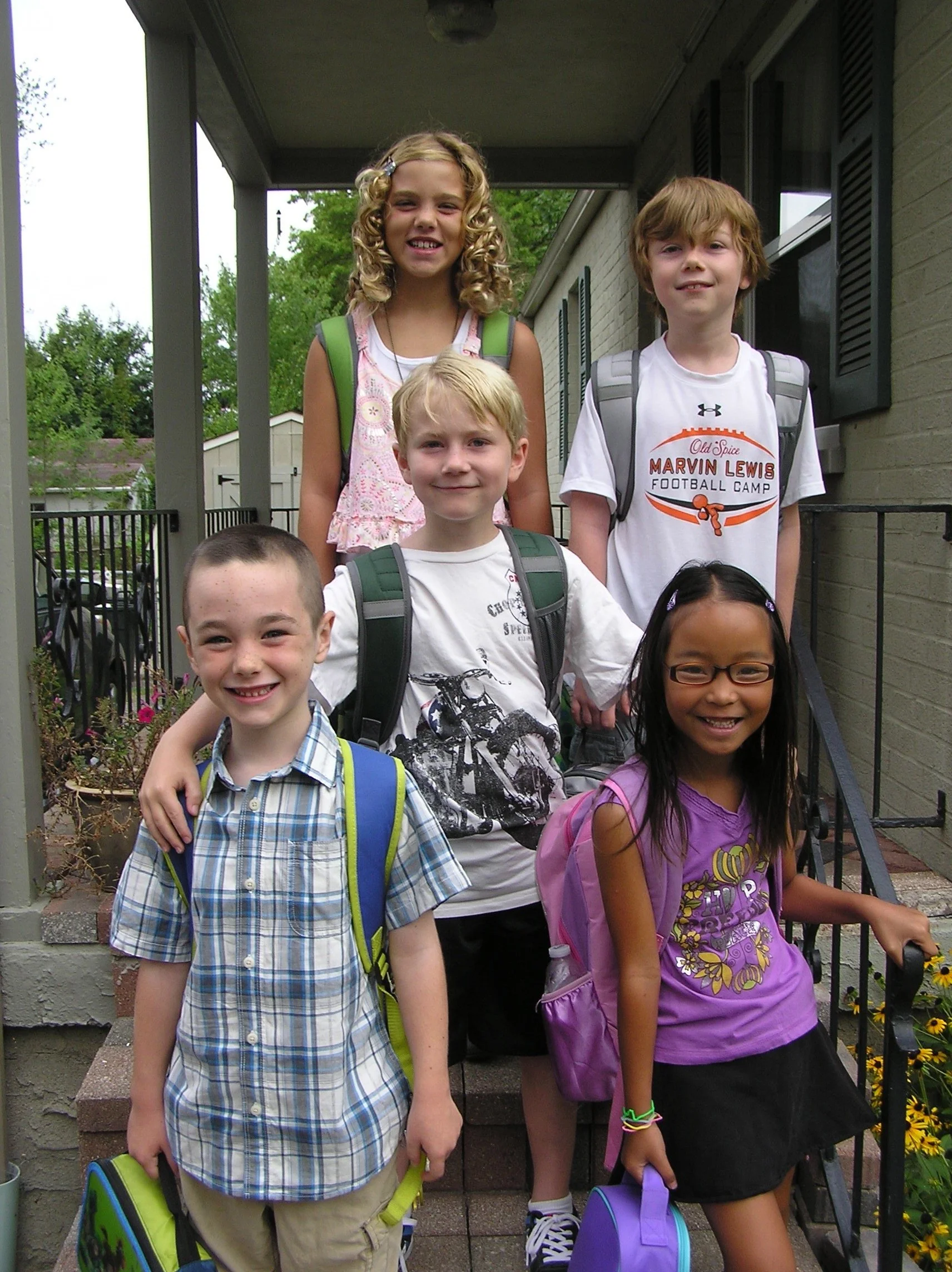
First Day of School, August, 2011
As a child, I was intrigued by Black history, which led to a passion for racial justice. After moving to a school with a more diverse population, racial conversations were a common occurrence, but over time, they turned my passion into loathing. A friend once asked, “Why do they call it colored people? Why not just say Black?” and I realized he only saw the world as Blacks and Whites. Early 2000s “Diversity” advertising and education circled those same two groups. When my sister asked, “Were Asians treated like Blacks?” All I could say was, “I don’t know.” When my 9th-grade history teacher started talking about Black history again, I turned off my ears. It wasn’t that I stopped caring for equality, but I was tired of being told to care for a justice and representation I was never thought to be included in. Adoption influenced my relationship with minority politics, but also made me clash with my own.
The few Asians I had met growing up were often judgmental of my lack of native culture. It created this belief that any Asian who looked at me was immediately judging me.
In my head, I became the definition of Asian disappointment. I’m not a profitable person, I’m overly emotional, and I’m the worst person your Asian son could marry. My skin, my eyes, and my body are all a shame. I will never be accomplished enough or brag-worthy. I am so far from my culture–well, why would I want to be part of my native culture? So many of them see me as nothing. Even though I was born there and look like them, that is not my country, and those are not my people. I never understood the comfort people described when seeing someone of the same race.
Americanized Trash, 2026
The disapproval and rejection haven’t made me look at an Asian person and feel hatred, but they do make me feel intimidated, avoidant, and inferior. I recently met an Asian friend of one of my buddies, and I couldn’t get relaxed with her. After meeting more Asian peers, I noticed a pattern, and I realized that I think it was because her face scares me. Even though she was nice, my body couldn’t shake my pre-rooted feelings.
When kids of Asian immigrants have met me, they often say they are whitewashed too, and as that’s nice, I never felt it was true. They still had their native food, home culture, and cultural names they’d call their relatives. Not that they’re not allowed to feel their own cultural conflicts, but I think they are more Americanized than whitewashed. They didn’t have to use Google to find a similar face. They just had to go home.
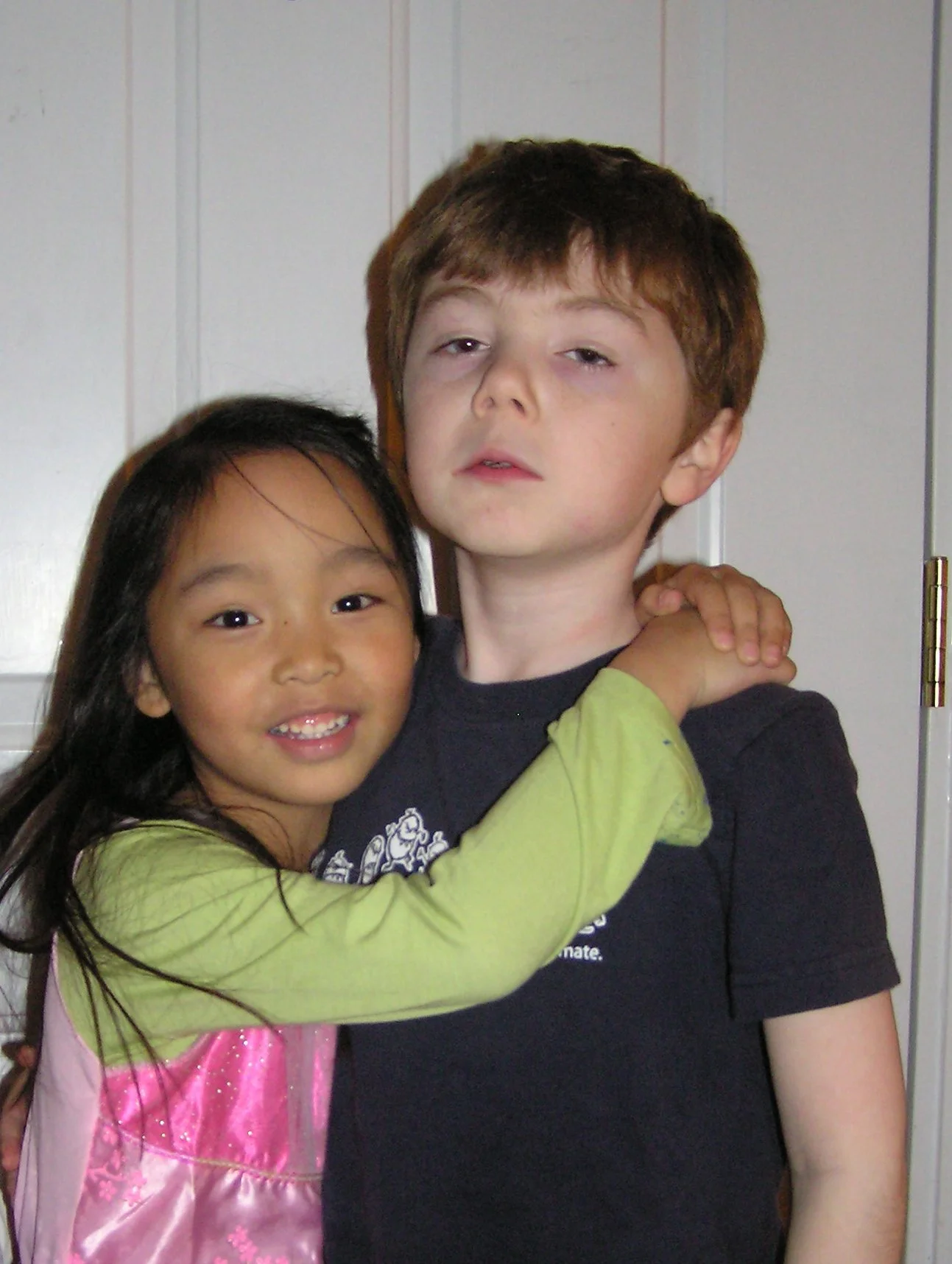
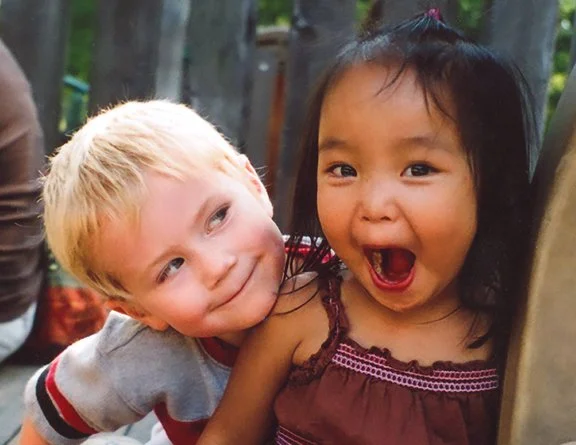
My Brother Has Never Been a Hugger, January, 2010
The biggest facet of adoption for me is rejection, and it has intensified so much of how I function in relationships. My counselor emphasized to me that my life started with nobody. Rejection was my beginning with no relational connections. I wasn’t held for a year. I went from a house to the steps of a bank, and to the orphanage in about 48 hours. I changed countries and people within my first year alive. She said, babies will cry when taken from their mother’s arms because they have lost their person, but this is often not a thing for adoptees. We will get passed around happily as long as we are given attention.
That early rejection shaped me to need clarity and affirmation in where I stand in people’s lives. I want to solve arguments immediately. Overthinking is a natural skill. I can never stay mad, and sometimes I’m willing to take a bit of abuse as long as you still say you love me. I learned that you have to be flexible to survive, and crying does not equal attention; therefore, I should stay silent. I can easily make somebody my everything, even as friends. I can get so sad over the thought of losing someone I barely know, but when it comes to long relationships and family, sometimes I think, I’ll be fine if I have to start over again. Usually, adapting to new places is easy, but new people are a completely different story. I flip between “I need you for everything, even if I can do it myself” and “I don’t need you at all, even if I don’t know how to do it myself.”
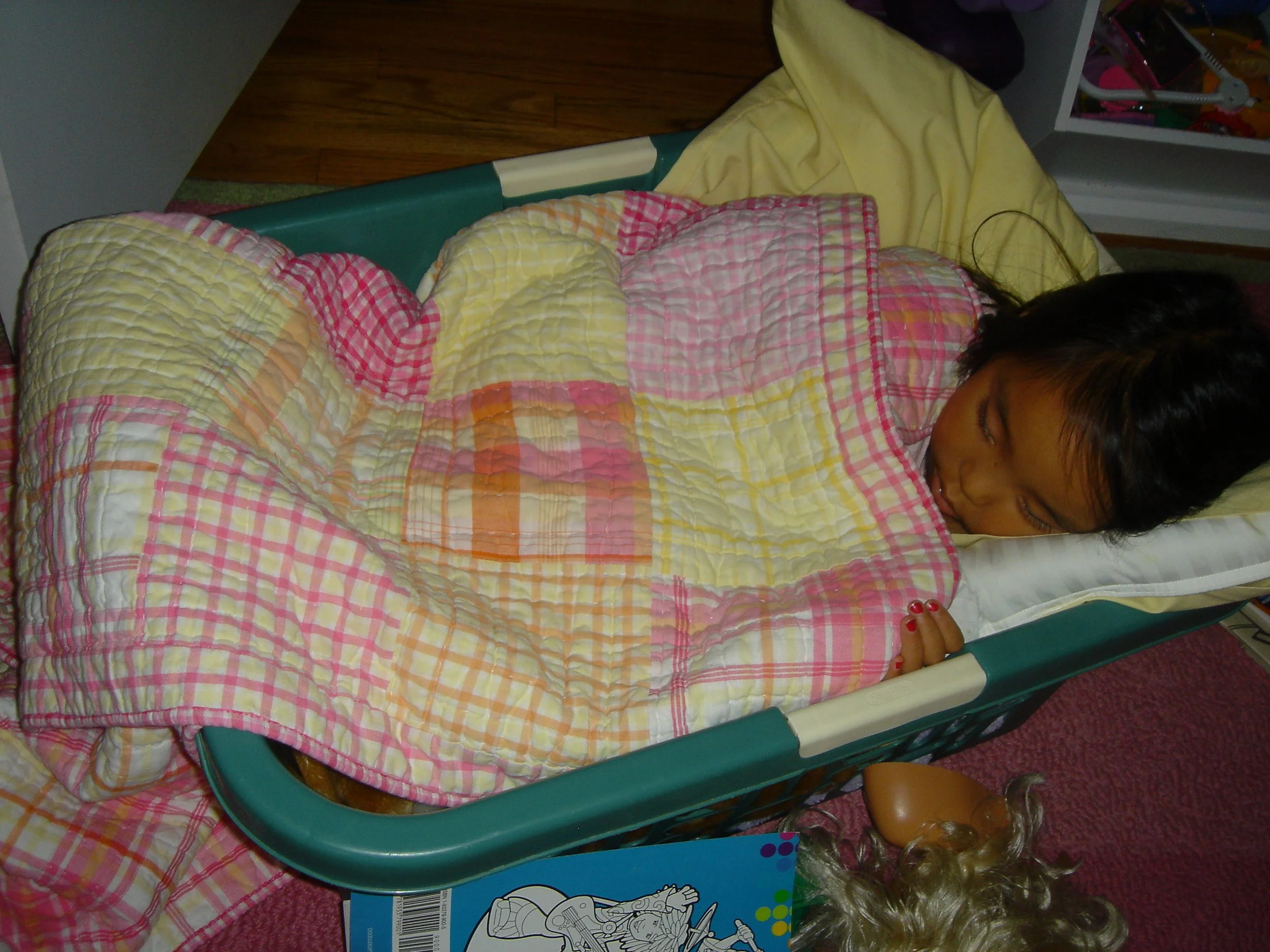
Sleeping in the Laundry Basket, 2008
Before adoption, life in the orphanage had already influenced my sense of comfort. I slept in a crib with another girl. There were too many babies and not enough nannies, so we never left our beds. I’ve always liked to be in a tight, cozy space. In a bed that’s cramped with plushies and blankets, and any touch, whether it’s a head pat or sleeping on top of my friends. As a kid, I stole the laundry basket and slept in it until I couldn’t fit. Comfort, for me, has been heavily physical rather than cultural.
I never had other immigrant friends until August 2025. It was fun and interesting and in some ways sweet. Many of them put so much effort into looking nice, and it shows. My American friends aren’t gross, but this level of effort isn’t as common in them as it is in my immigrant friends.
I once was talking to one of them about how dark my skin gets, and he said, “That’s the best kind of skin.” It was heartwarming not just to have that compliment, but to hear a dark-skinned Asian take pride in their skin tone. I loved that I could have somebody to share that with.
As time went on, it wasn’t long until I was suddenly faced with seeing how un-Asian I am. How un-immigrant I am.
I saw that I don’t have any connection to the properness of Asian dressing. Their family dynamics, their diction, their native taste buds, their pantry, their career paths, their way of thinking, their knowledge of cultures and history, or the number of languages they speak.
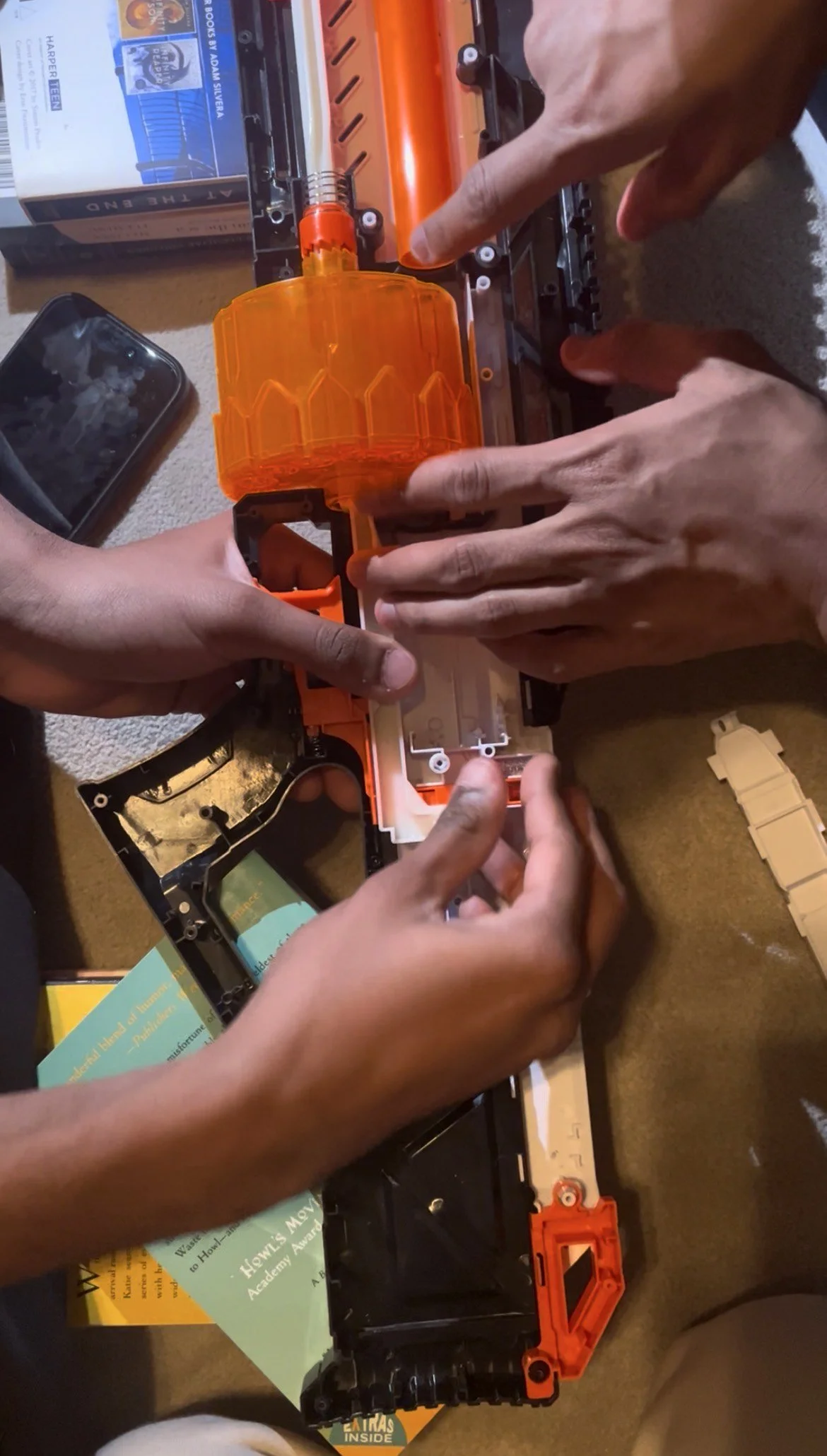
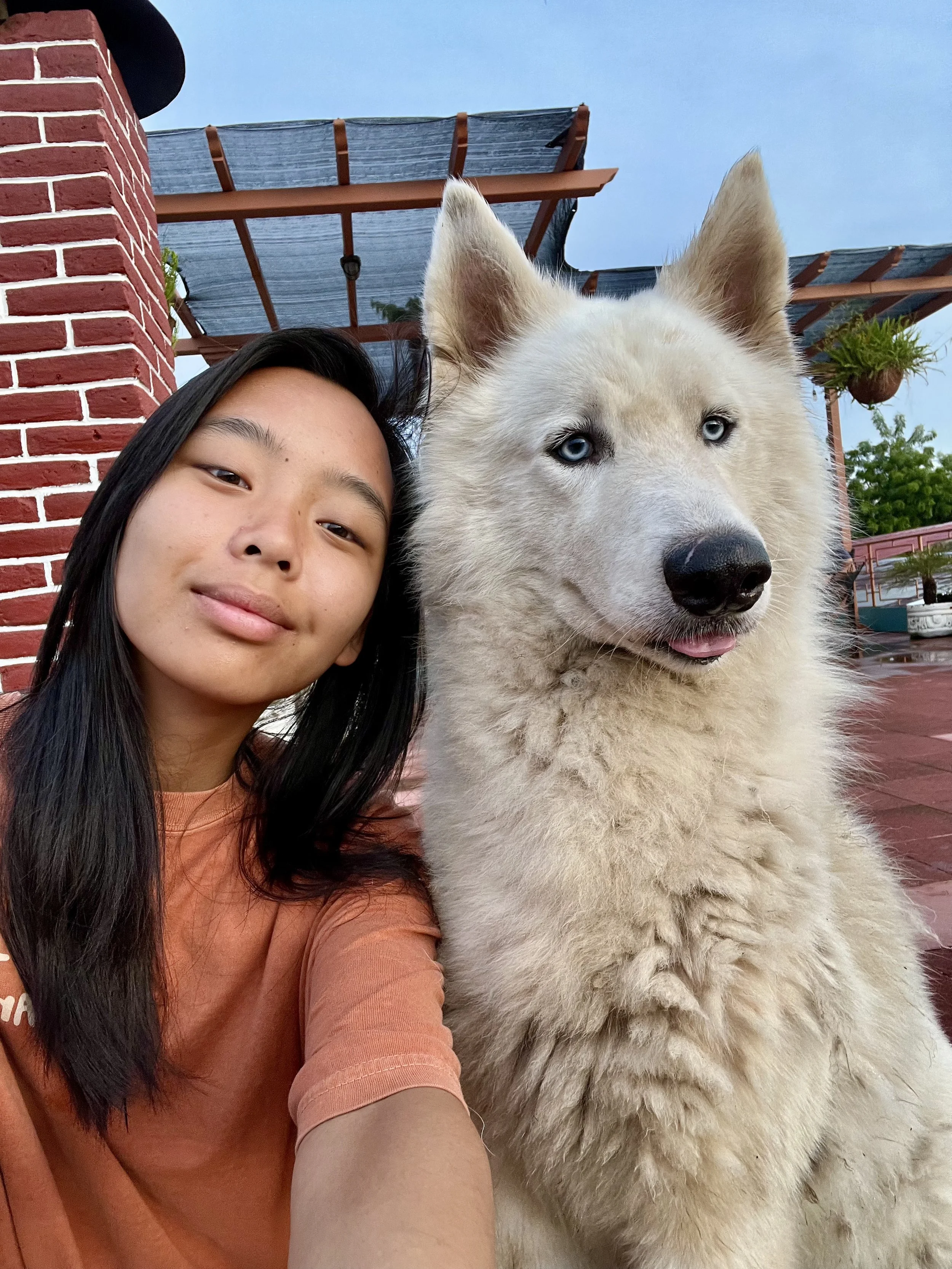
“This is what engineering friends are for”, January, 2026
We were once watching Crazy Rich Asians, and we reached the scene where Rachel plays Mahjong against Nick’s mother. I knew the goal of the scene was that Rachel won the game and, therefore, probably showed her value as a person. But I wondered if there was more weight to how much she won by. However, I couldn’t know because I don’t know what the symbols on the dominoes mean or how the game is played. I had never heard of or seen Mahjong until that scene. My friend asked me, “Do you know how to play Mahjong?” I said, “No.” Then he kind of smiled and laughed and called me whitewashed. I knew he didn’t mean to be cruel, but it did make me feel small. It’s one thing for another adopted person to call you whitewashed, because we both are, but when a real Asian calls you whitewashed, it just enhances the feeling of not being good enough for the natives.
Seeing their lives made me wonder about what I would be like if I were raised in my original culture. If I were, maybe I would be more successful because I would have had more pressure to be. Would I be as productive or as advanced as my immigrant friends? Career is a big question as it’s a huge subject in Asian families, and we’re all in college or just graduated; it sometimes feels like a huge performance game as we’re all standing shoulder to shoulder on the same grounds. I wondered if my career path would be different. Even if it was still art, would I be better at it and more accomplished, because even Asian-raised Asians who are artists are far more skilled than I am? Maybe I'm not great at anything. Sometimes it’s hard to see their connection to their parents, their culture, their roles as Asian sons, because sometimes I wish I were more like them.
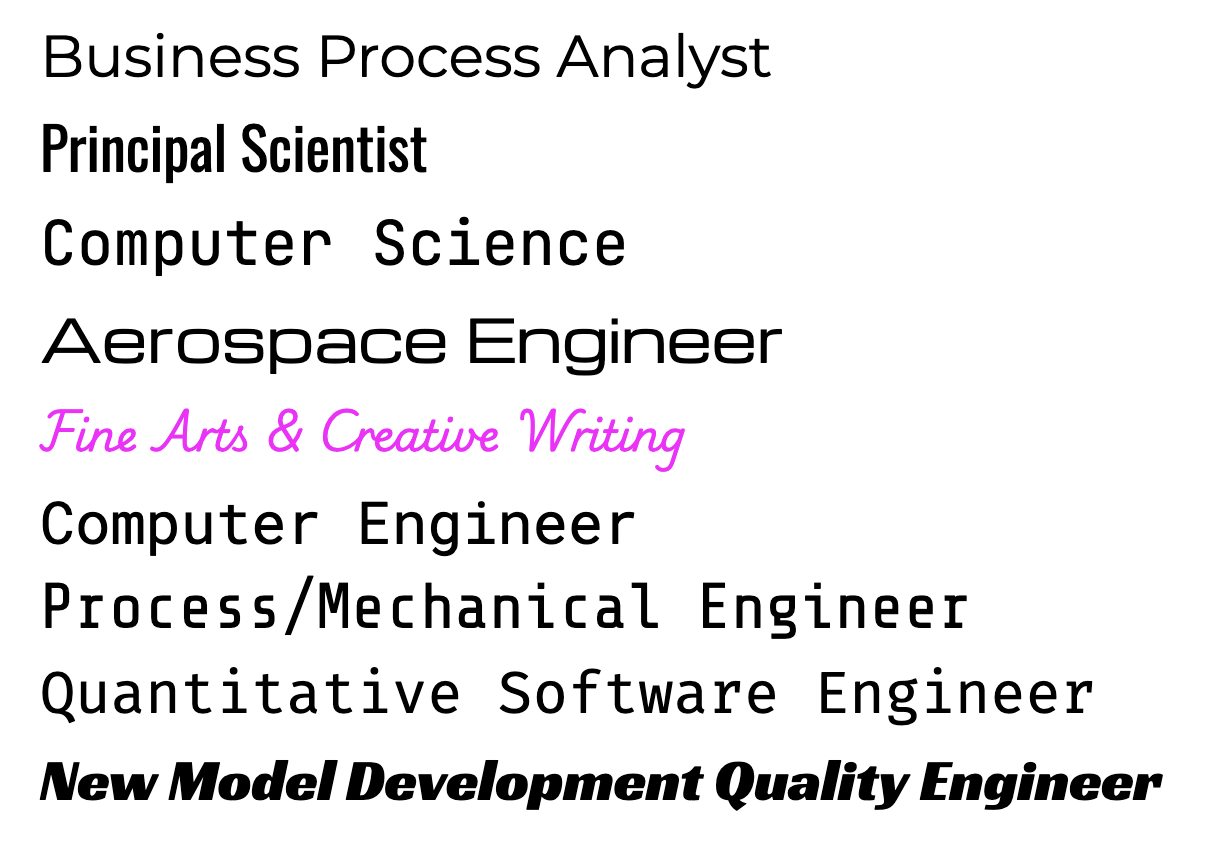
Asian and Not, 2026
I’m in college with a full ride for fine arts and creative writing. Most of the immigrants I’m around are Indian, and because they look so different, I don’t think my mind recognized them as people to be intimidated by. But I met one of their mothers once, and she asked me what my major is. It was then that I remembered India is in Asia. However, she was nice to me.
It’s easy to be in my head and see how different I am. To wish and wonder, but then I remember who I am. The knowledge and strengths I have, and I see how my family and the culture I have been given have enhanced that. Those are actually the strengths my immigrant friends have openly praised and admired. I actually like the things I’ve learned in life and the experiences I’ve had. The good and bad. I realize I wouldn’t trade this life for one that aligns more with what people assume I should be like.
Adoption didn’t erase my immigration; it became it. Despite the negative effects, I’ve found positives in it too, and I wouldn’t trade this life for one that matches what people assume.