
Stories and Tidbits
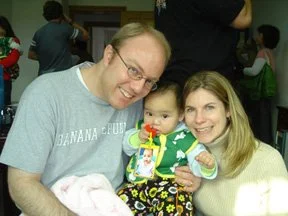
My Impostrous Immigrant life
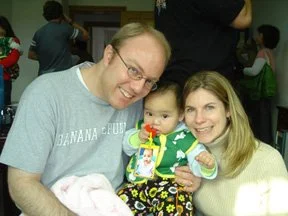
Adoption Day, January 9th, 2006, Guangzhou, China
How Being an Adoptive Immigrant Influenced My Entire Identity
Hello! My name is Zoe Wooten, and I am an intern for Heartfelt Tidbits. As I’ve read and listened to multiple immigrant stories, I noticed many similarities among their different journeys. It wasn’t until I was out one night and a stranger screamed, “Go back to your country,” that I remembered, I am an immigrant too! However, my story has no overlap with the stories I have heard. So I wanted to share mine, too.
I was adopted from China in 2006 as a baby, and even though I fall under the category of “immigrant,” I never believed there was anything “immigrant” about me.
When people ask about the immigrant experience, they usually ask, “How has being an immigrant affected you?” The answers often include culture shifts from inside the home vs outside the home, their food disgusting others, their parents not understanding the school system, and their friends not taking off their shoes when visiting their home. My life includes none of that, but that’s because my immigration wasn’t a cultural shift. It was a shift in where my identity is rooted.
I’ve noticed the key difference between typical immigrants and me. They are navigating external cultural and systemic change. I am navigating internal emotional and psychological ones.
It wasn’t until I replaced the word immigration with adoption that I realized it had influenced every part of me. Adoption is my immigration. So the question for me is, “How has being adopted affected you?” And the answer to that is everything.
Here’s a glimpse.
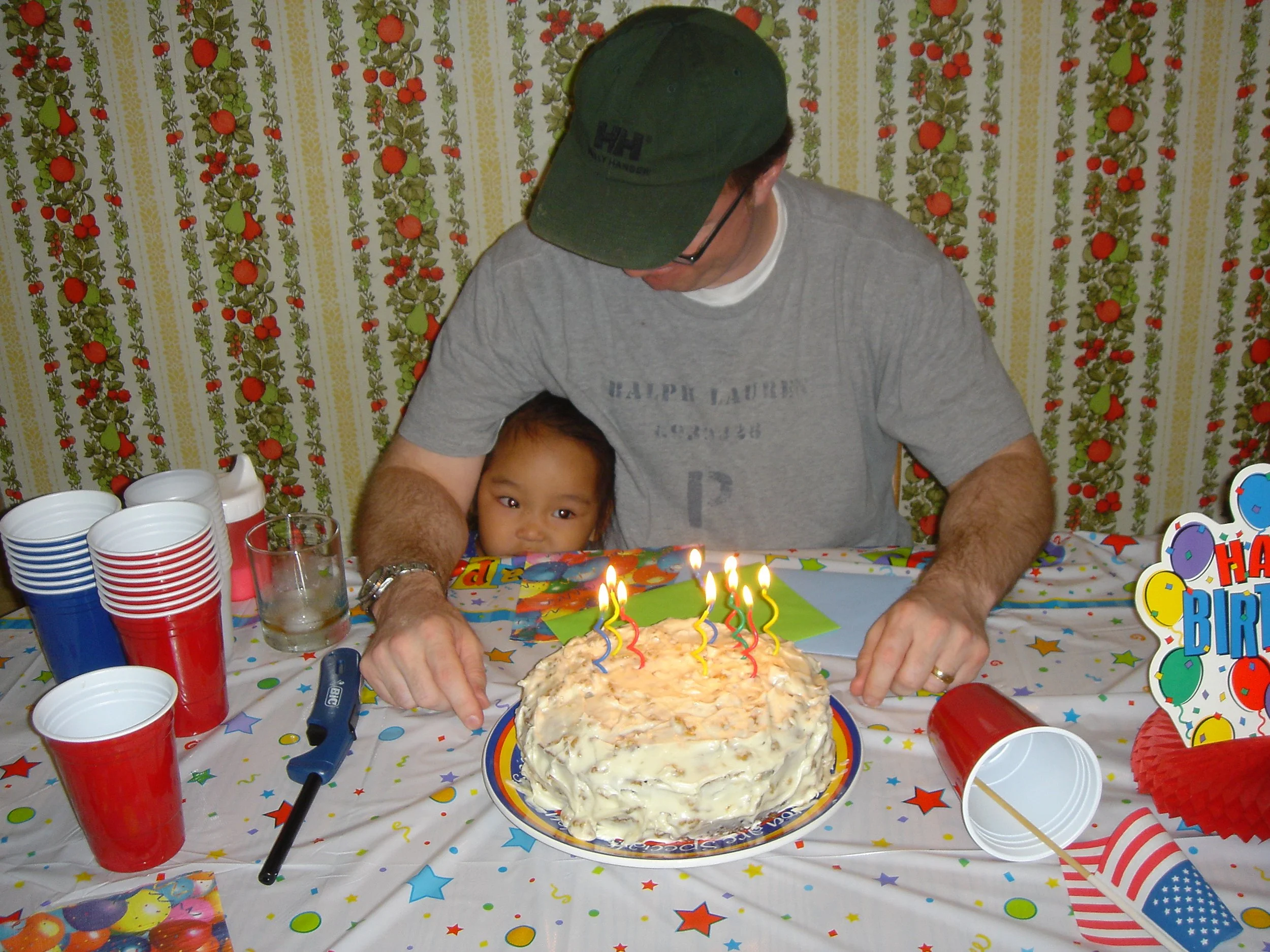
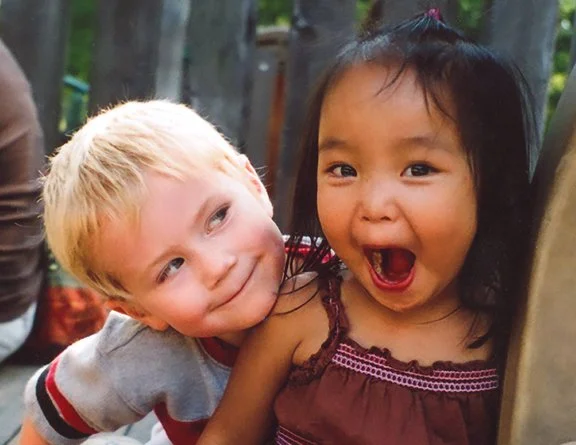
Dad’s Birthday, July 4th, 2007
Growing up with a white family in a white neighborhood, I was extremely self-conscious of appearances early on. I asked my dad numerous times, “Can we trade skin?” Even if it was baggy on me or hairy, I wanted it anyway. I wished so badly to have blonde hair and blue eyes like my neighbor. To myself, I wasn’t beautiful, and I didn’t believe I even looked Asian.
I Googled Asian girls to see what I should look like. They all looked the same with white skin and monolids. I don’t even have monolids! I compared my thigh width to the few other Asian girls I saw growing up, and to the Chinese women when my family traveled to China to adopt my sister. Every time I was bigger. But I was tall, and my child brain didn’t understand that being taller makes you bigger. When everyone hit puberty, my body barely changed. For years, I was waiting to grow into this womanly body, but it never really came.
I hated that I wasn’t a copy of anyone else when I felt like I should have been. This is one of the early ways adoption affected my perception of beauty and how I measured myself against it. The rareness of seeing my own race also surprisingly made me detach from engaging in racial justice.
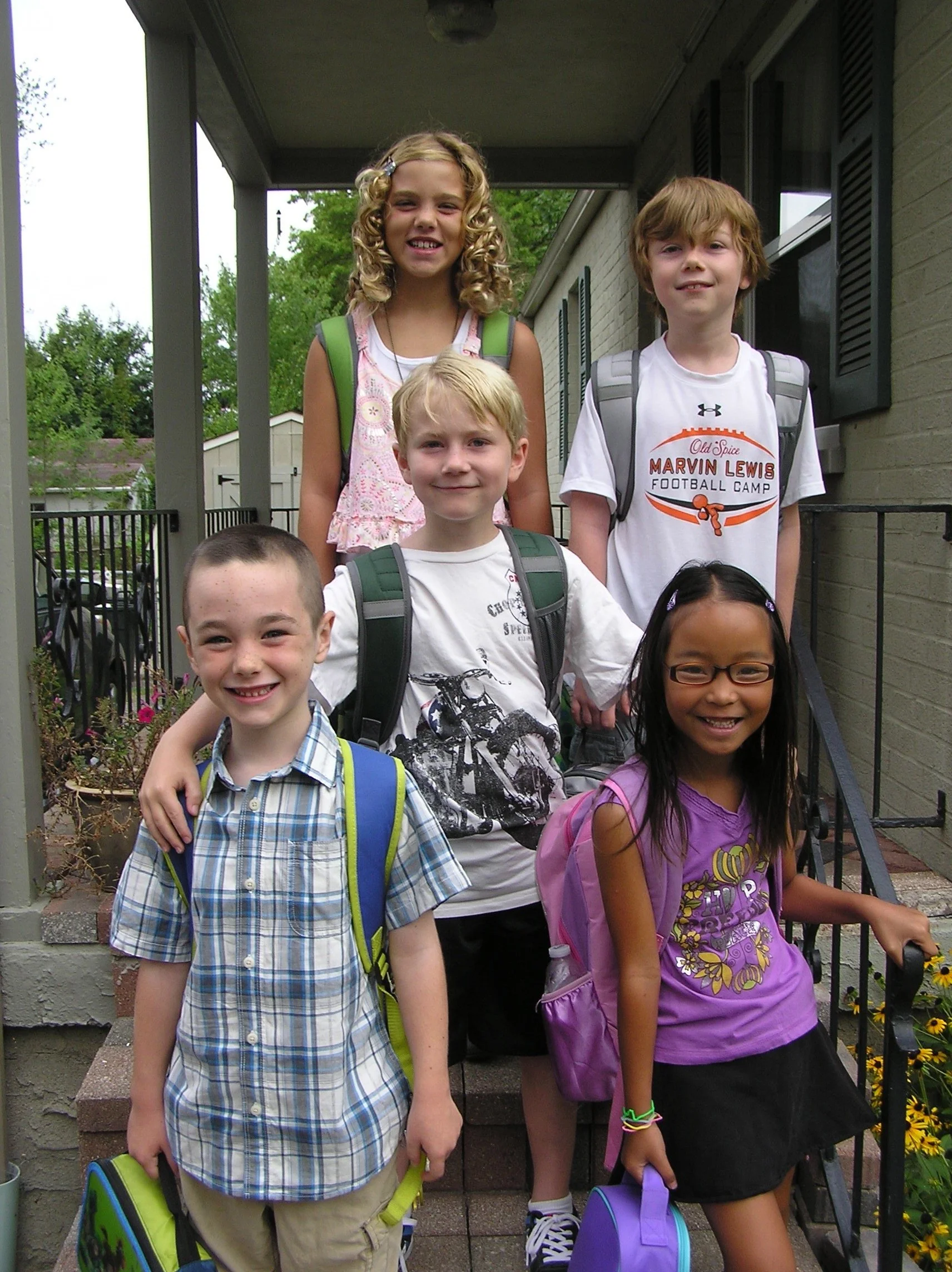
First Day of School, August, 2011
As a child, I was intrigued by Black history, which led to a passion for racial justice. After moving to a school with a more diverse population, racial conversations were a common occurrence, but over time, they turned my passion into loathing. A friend once asked, “Why do they call it colored people? Why not just say Black?” and I realized he only saw the world as Blacks and Whites. Early 2000s “Diversity” advertising and education circled those same two groups. When my sister asked, “Were Asians treated like Blacks?” All I could say was, “I don’t know.” When my 9th-grade history teacher started talking about Black history again, I turned off my ears. It wasn’t that I stopped caring for equality, but I was tired of being told to care for a justice and representation I was never thought to be included in. Adoption influenced my relationship with minority politics, but also made me clash with my own.
The few Asians I had met growing up were often judgmental of my lack of native culture. It created this belief that any Asian who looked at me was immediately judging me.
In my head, I became the definition of Asian disappointment. I’m not a profitable person, I’m overly emotional, and I’m the worst person your Asian son could marry. My skin, my eyes, and my body are all a shame. I will never be accomplished enough or brag-worthy. I am so far from my culture–well, why would I want to be part of my native culture? So many of them see me as nothing. Even though I was born there and look like them, that is not my country, and those are not my people. I never understood the comfort people described when seeing someone of the same race.
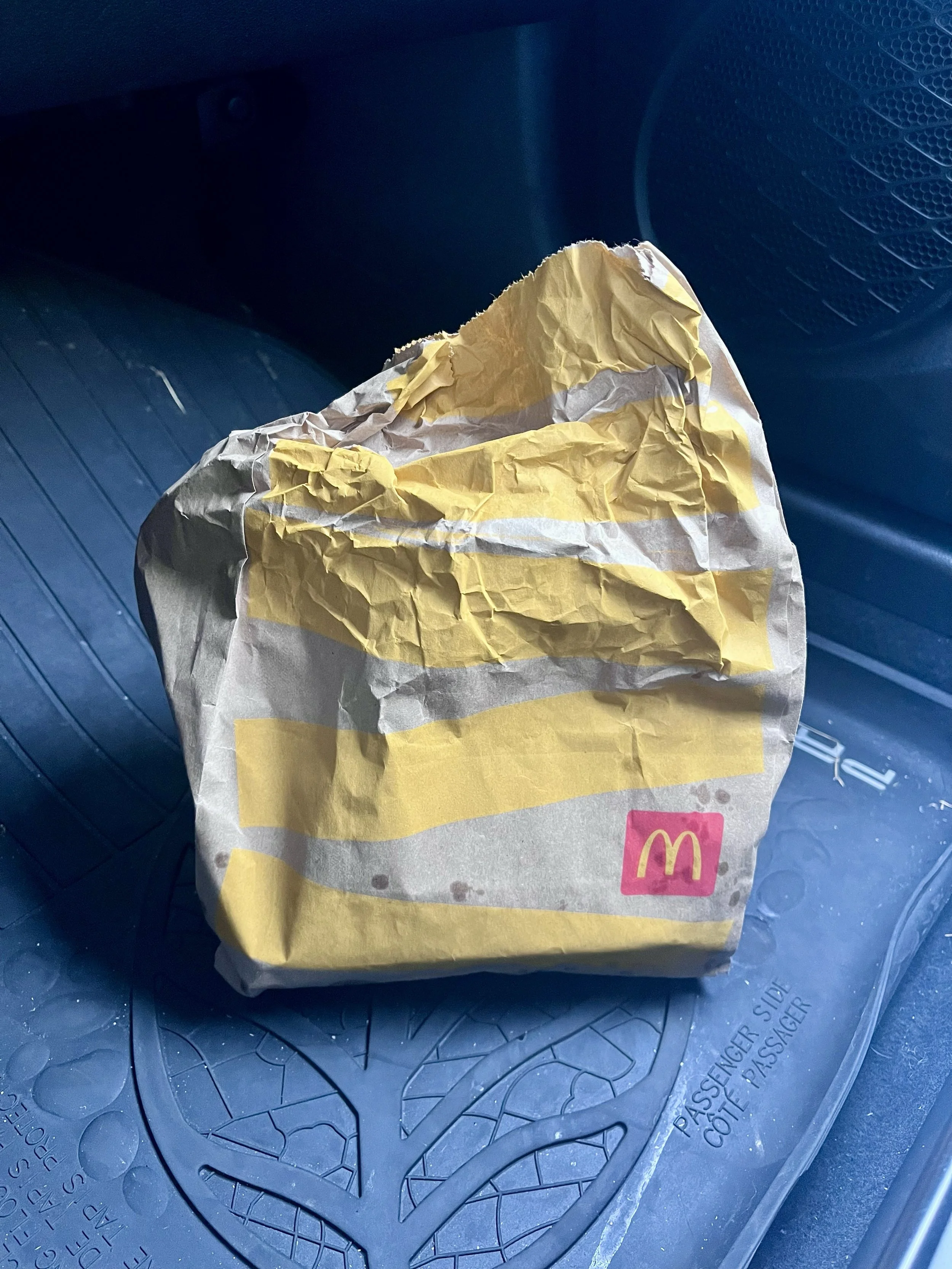
Americanized Trash, 2026
The disapproval and rejection haven’t made me look at an Asian person and feel hatred, but they do make me feel intimidated, avoidant, and inferior. I recently met an Asian friend of one of my buddies, and I couldn’t get relaxed with her. After meeting more Asian peers, I noticed a pattern, and I realized that I think it was because her face scares me. Even though she was nice, my body couldn’t shake my pre-rooted feelings.
When kids of Asian immigrants have met me, they often say they are whitewashed too, and as that’s nice, I never felt it was true. They still had their native food, home culture, and cultural names they’d call their relatives. Not that they’re not allowed to feel their own cultural conflicts, but I think they are more Americanized than whitewashed. They didn’t have to use Google to find a similar face. They just had to go home.
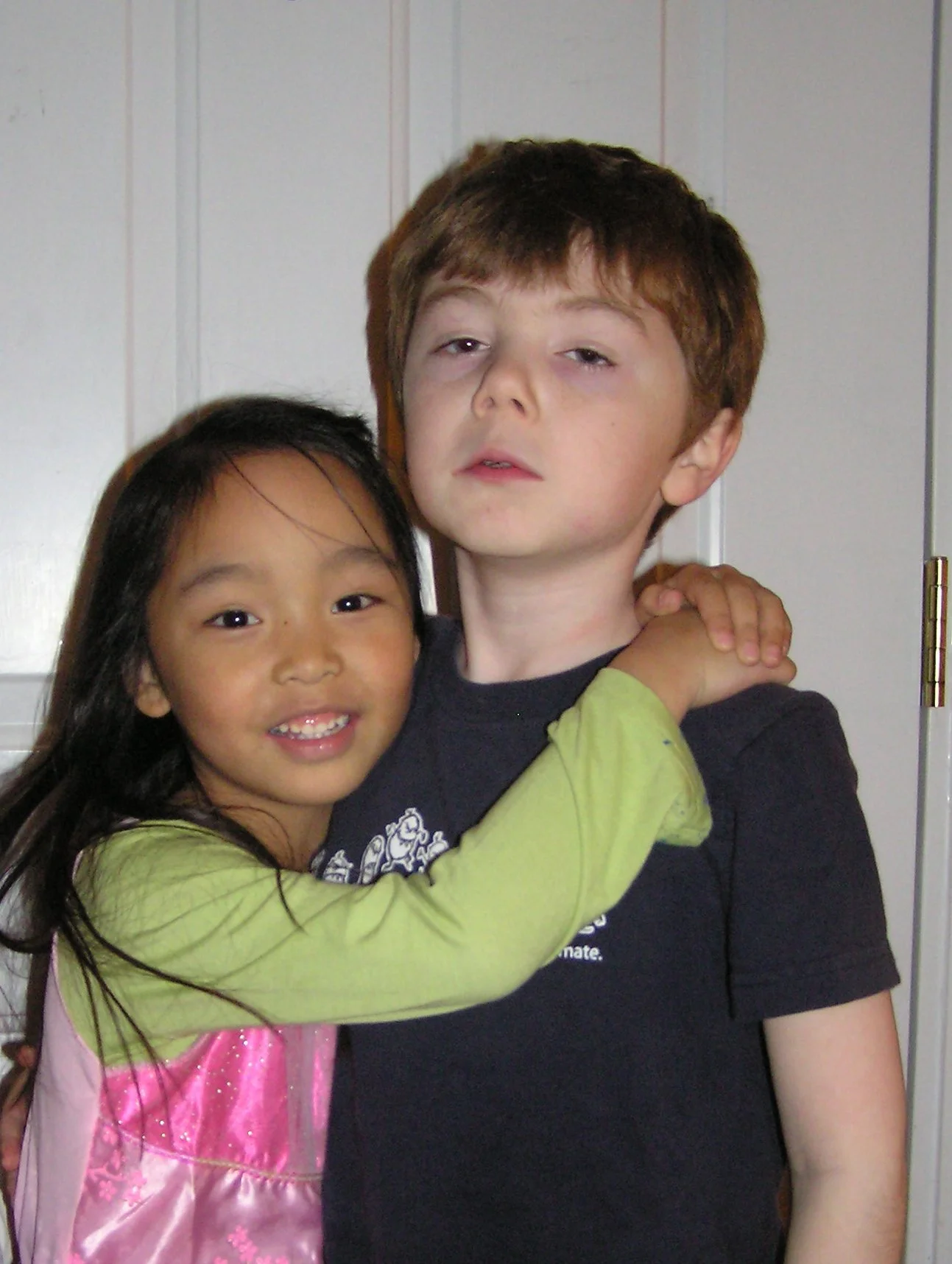
My Brother Has Never Been a Hugger, January, 2010
The biggest facet of adoption for me is rejection, and it has intensified so much of how I function in relationships. My counselor emphasized to me that my life started with nobody. Rejection was my beginning with no relational connections. I wasn’t held for a year. I went from a house to the steps of a bank, and to the orphanage in about 48 hours. I changed countries and people within my first year alive. She said, babies will cry when taken from their mother’s arms because they have lost their person, but this is often not a thing for adoptees. We will get passed around happily as long as we are given attention.
That early rejection shaped me to need clarity and affirmation in where I stand in people’s lives. I want to solve arguments immediately. Overthinking is a natural skill. I can never stay mad, and sometimes I’m willing to take a bit of abuse as long as you still say you love me. I learned that you have to be flexible to survive, and crying does not equal attention; therefore, I should stay silent. I can easily make somebody my everything, even as friends. I can get so sad over the thought of losing someone I barely know, but when it comes to long relationships and family, sometimes I think, I’ll be fine if I have to start over again. Usually, adapting to new places is easy, but new people are a completely different story. I flip between “I need you for everything, even if I can do it myself” and “I don’t need you at all, even if I don’t know how to do it myself.”
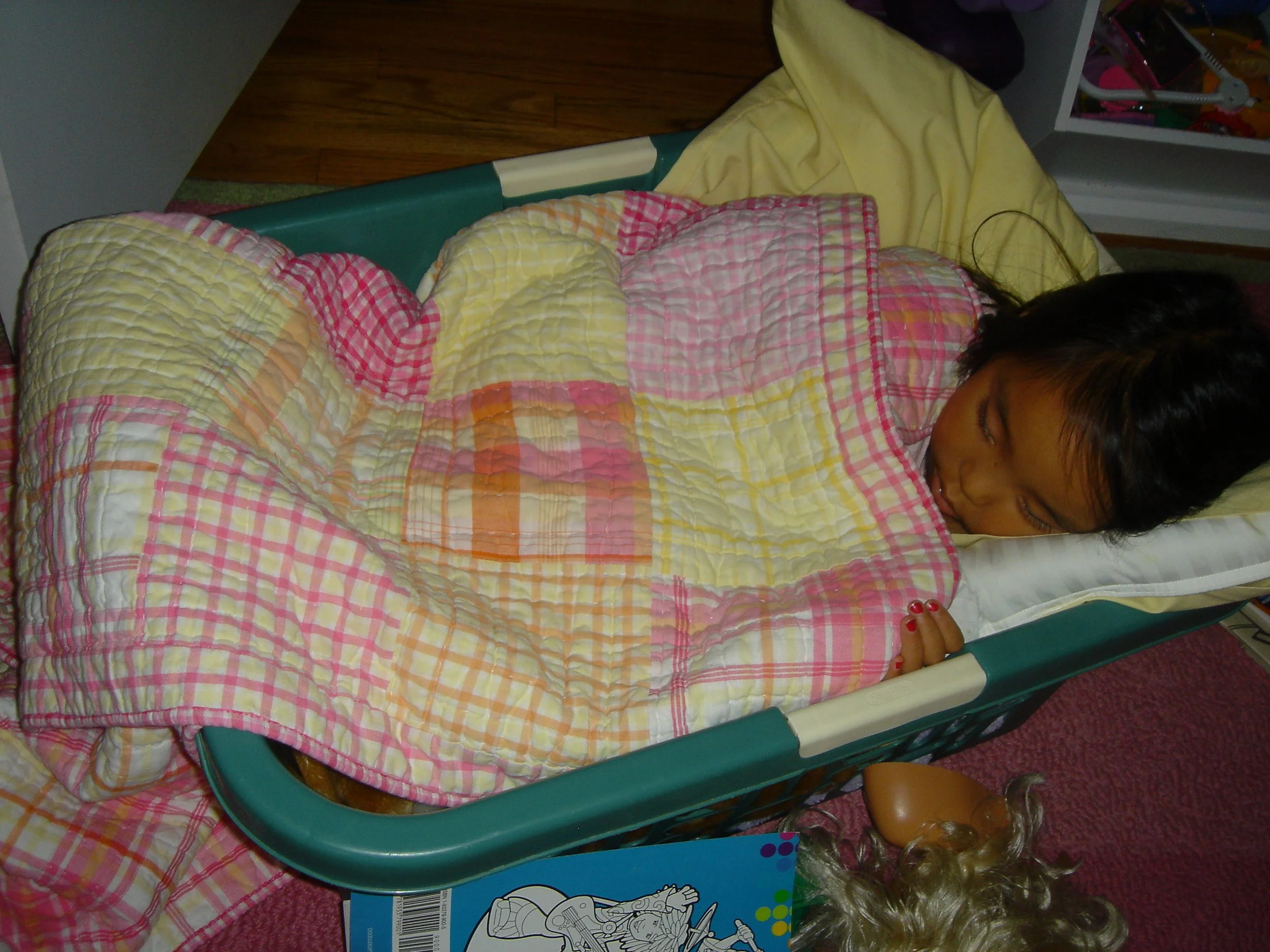
Sleeping in the Laundry Basket, 2008
Before adoption, life in the orphanage had already influenced my sense of comfort. I slept in a crib with another girl. There were too many babies and not enough nannies, so we never left our beds. I’ve always liked to be in a tight, cozy space. In a bed that’s cramped with plushies and blankets, and any touch, whether it’s a head pat or sleeping on top of my friends. As a kid, I stole the laundry basket and slept in it until I couldn’t fit. Comfort, for me, has been heavily physical rather than cultural.
I never had other immigrant friends until August 2025. It was fun and interesting and in some ways sweet. Many of them put so much effort into looking nice, and it shows. My American friends aren’t gross, but this level of effort isn’t as common in them as it is in my immigrant friends.
I once was talking to one of them about how dark my skin gets, and he said, “That’s the best kind of skin.” It was heartwarming not just to have that compliment, but to hear a dark-skinned Asian take pride in their skin tone. I loved that I could have somebody to share that with.
As time went on, it wasn’t long until I was suddenly faced with seeing how un-Asian I am. How un-immigrant I am.
I saw that I don’t have any connection to the properness of Asian dressing. Their family dynamics, their diction, their native taste buds, their pantry, their career paths, their way of thinking, their knowledge of cultures and history, or the number of languages they speak.
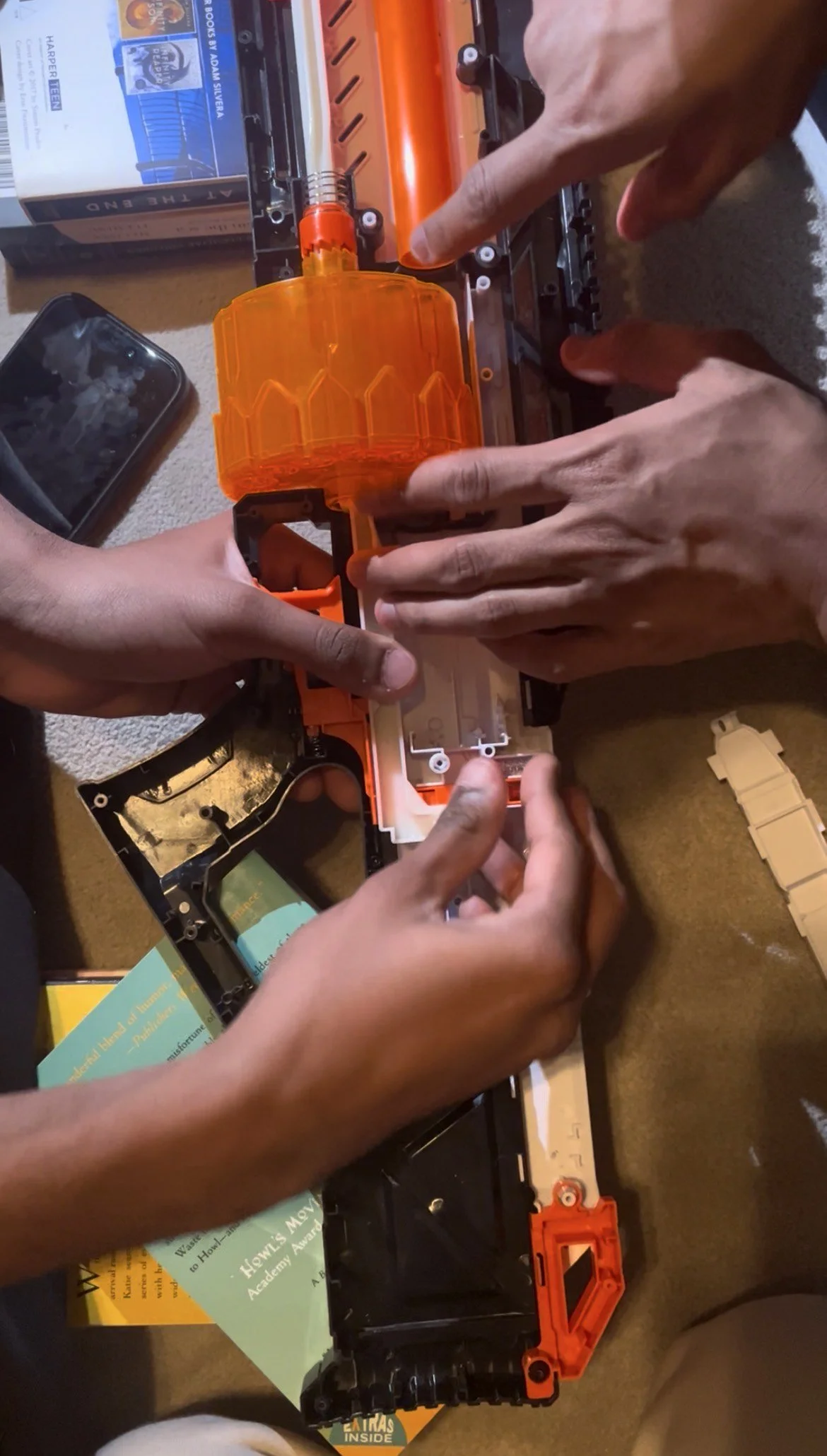
“This is what engineering friends are for”, January, 2026
We were once watching Crazy Rich Asians, and we reached the scene where Rachel plays Mahjong against Nick’s mother. I knew the goal of the scene was that Rachel won the game and, therefore, probably showed her value as a person. But I wondered if there was more weight to how much she won by. However, I couldn’t know because I don’t know what the symbols on the dominoes mean or how the game is played. I had never heard of or seen Mahjong until that scene. My friend asked me, “Do you know how to play Mahjong?” I said, “No.” Then he kind of smiled and laughed and called me whitewashed. I knew he didn’t mean to be cruel, but it did make me feel small. It’s one thing for another adopted person to call you whitewashed, because we both are, but when a real Asian calls you whitewashed, it just enhances the feeling of not being good enough for the natives.
Seeing their lives made me wonder about what I would be like if I were raised in my original culture. If I were, maybe I would be more successful because I would have had more pressure to be. Would I be as productive or as advanced as my immigrant friends? Career is a big question as it’s a huge subject in Asian families, and we’re all in college or just graduated; it sometimes feels like a huge performance game as we’re all standing shoulder to shoulder on the same grounds. I wondered if my career path would be different. Even if it was still art, would I be better at it and more accomplished, because even Asian-raised Asians who are artists are far more skilled than I am? Maybe I'm not great at anything. Sometimes it’s hard to see their connection to their parents, their culture, their roles as Asian sons, because sometimes I wish I were more like them.
Asian and Not, 2026
I’m in college with a full ride for fine arts and creative writing. Most of the immigrants I’m around are Indian, and because they look so different, I don’t think my mind recognized them as people to be intimidated by. But I met one of their mothers once, and she asked me what my major is. It was then that I remembered India is in Asia. However, she was nice to me.
It’s easy to be in my head and see how different I am. To wish and wonder, but then I remember who I am. The knowledge and strengths I have, and I see how my family and the culture I have been given have enhanced that. Those are actually the strengths my immigrant friends have openly praised and admired. I actually like the things I’ve learned in life and the experiences I’ve had. The good and bad. I realize I wouldn’t trade this life for one that aligns more with what people assume I should be like.
Adoption didn’t erase my immigration; it became it. Despite the negative effects, I’ve found positives in it too, and I wouldn’t trade this life for one that matches what people assume.
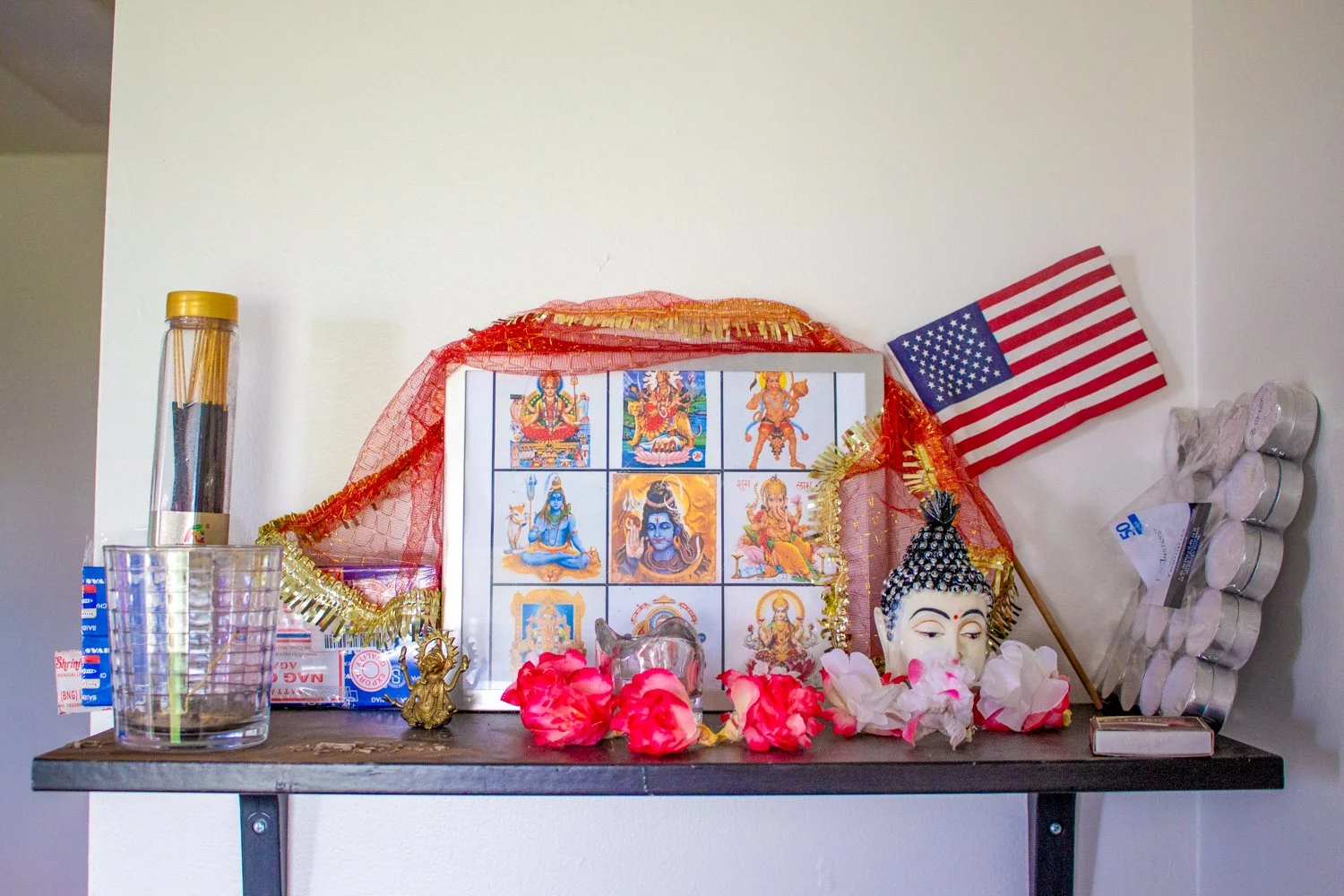
A Native to Nowhere: An Immigrant Story
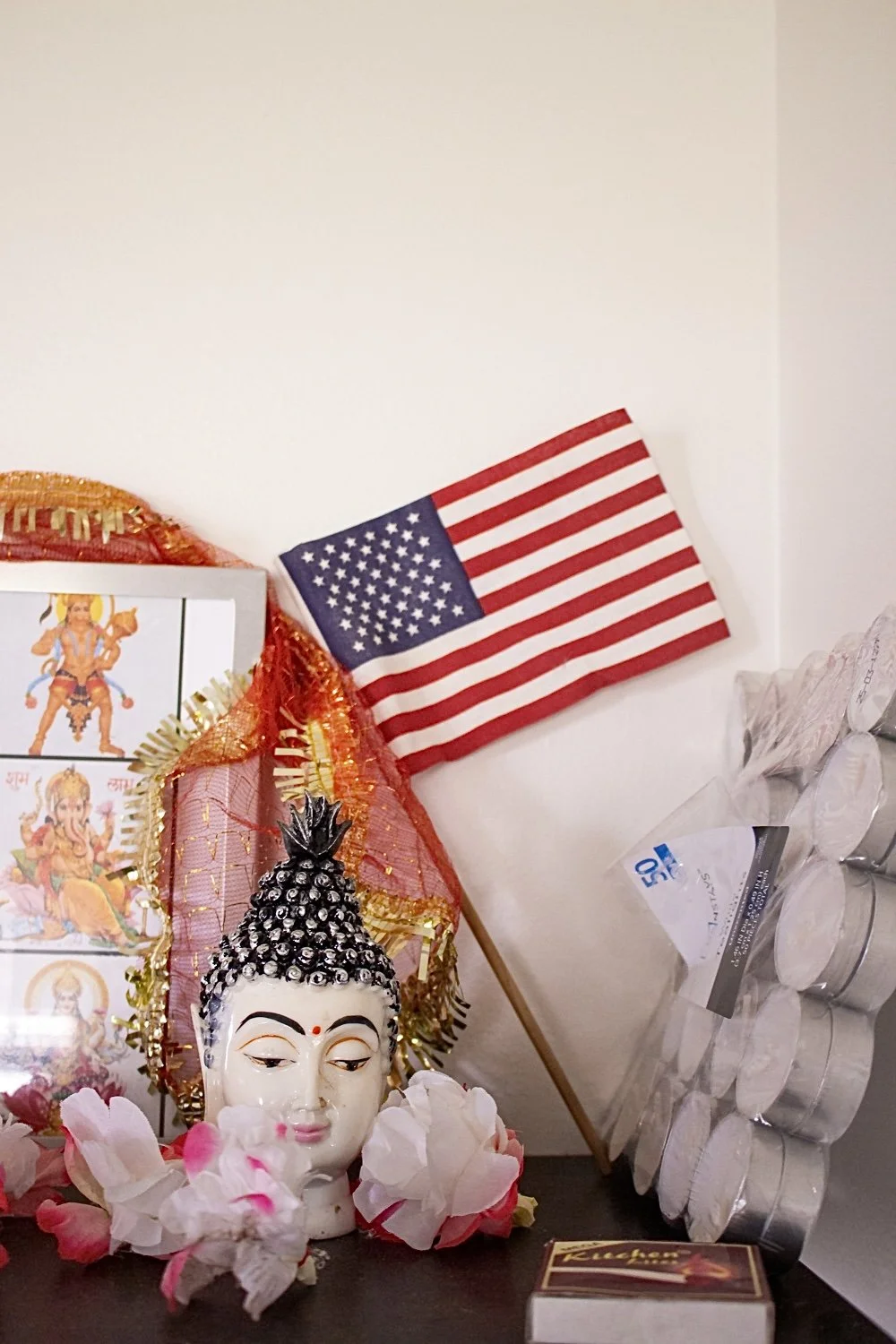
At 13, he said yes to moving from India to the U.S. Two months later, he was living in America, and has lived between both cultures ever since.
My name is Zoe Wooten, and I am an intern for Heartfelt Tidbits. Being here, I have learned about different paths of immigration and it has sparked more questions for my own immigrant friends. One friend really stuck out to me. I will call him Padu. What interested me about Padu was his pride with not only where he came from, but also in the United States. Right now, many Americans openly say they hate it here, they want to leave, and it’s an awful place to live. For me, his perspective has been a rare find. He’s not even a citizen, and yet, he might be the most patriotic friend I have.
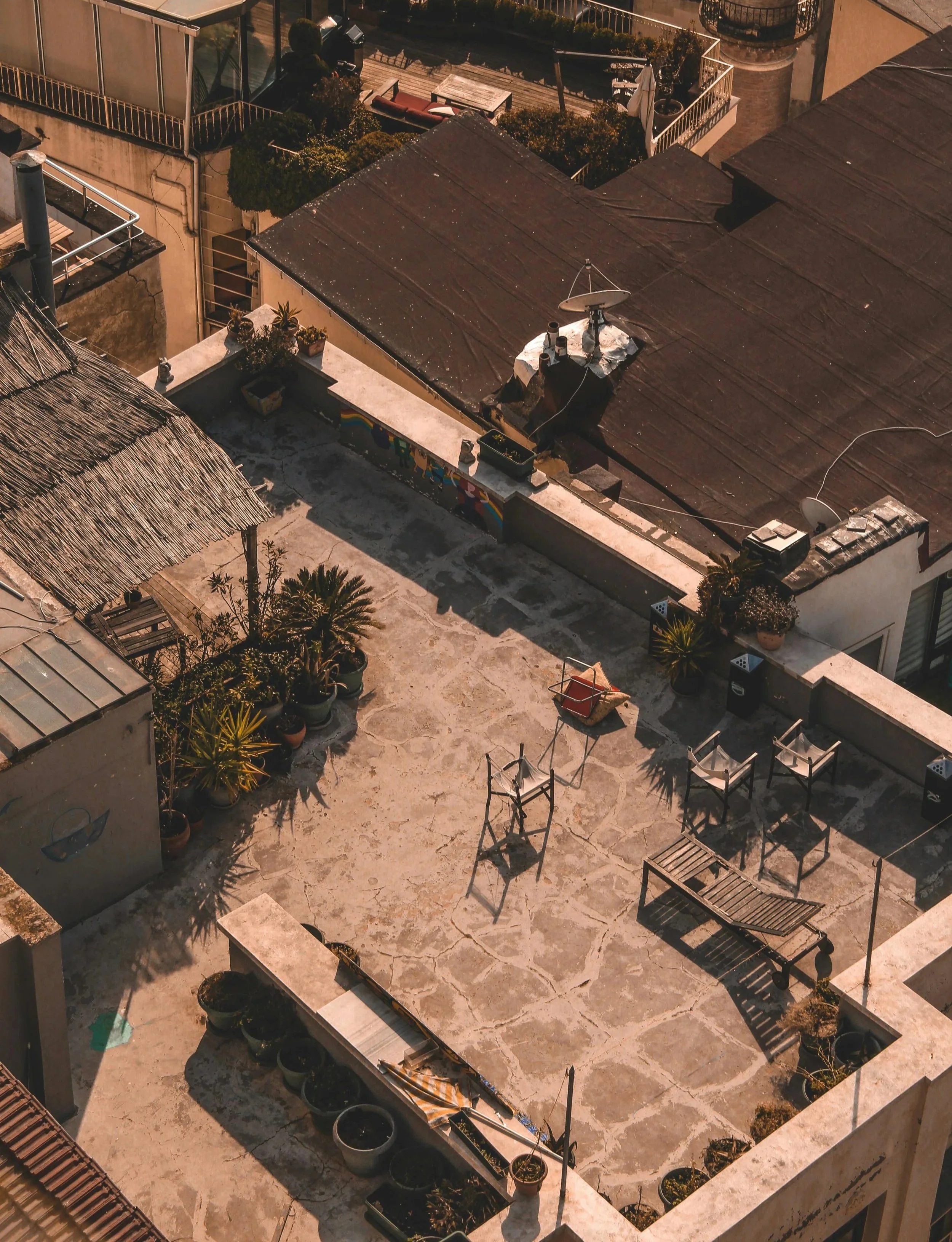
I once asked, “How did it begin? How did your parents present immigration to you?” He said he was 13 years old. He was sitting on the rooftop of his Darjeeling home when his mother randomly asked, “Do you want to come to America with me?” He said yes. He wasn’t old enough to fully grasp the weight of what he was agreeing to, but he knew that he wanted to stay close to his mom.
Padu was born in 2002, and his mother moved to South India in 2007 while he stayed in Darjeeling with his father and grandparents. From 2008-2016, he only saw his mother in the winter. To live with her was an opportunity he couldn’t deny. He also knew that his dream of being a pilot would be most tangible in America. Moving was exciting and nerve-racking. He had never been out of the country before. For the first time to be a permanent change was beyond his comprehension.
To get to America, he had to get a dependent visa. To get it, they took a two-hour flight to another city where he was interviewed. Within 2 months of saying yes on the rooftop, he was living in America.
He remembers going up the Cincinnati CVG escalators when he arrived, but what he remembers more is his first day of school.
The first thing he saw was a line of cheerleaders welcoming everybody into the school, jolting him into thinking, Dang, it’s like the American high school movies. They told him to go to the gym, and so he searched for a typical gym with weights and machines. He couldn’t find it, but he found a tall white guy. He told him he was new and asked, “Where’s the gym?” He realized that the “gym” actually meant the basketball court. When he reached the gym, everybody had their phones out! Teachers were hyping the students up and cheering—this would never happen in India! It was such an expressive and relaxed environment. Nothing like the uniforms and controlled behavior he was used to. He spent lunch alone on the first day, but quickly throughout the week he started to find friends.
Things sounded so easy, so natural, so I asked him, “What was the hardest thing to adjust to?” and “Was there any help you wished you had?” He paused for a long while, and to my surprise, he said, “Nothing really.” He feels that he easily adapts to new places. He didn’t need anything beyond what was offered. He only wishes there were a better way to meet American kids. His school had all the immigrant kids together, which was great for meeting people in the same position, but broken English cannot improve broken English, and foreign culture cannot teach local culture. Social culture was a lot to learn.
He said that Americans are super friendly. Everyone feels extroverted. After a while, he found that a lot of it is fake niceness. When somebody is passing by and they say, “How are you?” They don’t actually care. However, it is still nice in a way, and the way people will talk to strangers standing in a line and compliment each other is not normal, and he likes it.
Padu is now 23 years old. He started college at 16 and graduated at 21 with a degree in aerospace engineering. He has a lot of college pride and even has his license plate customized to essentially be a free ambassador. He talks so nostalgically about his uni life, and says he misses those days, wishing sometimes to go back. While he lives an hour away for his post-grad job, he still drives back to Cincy every weekend to see his friends.
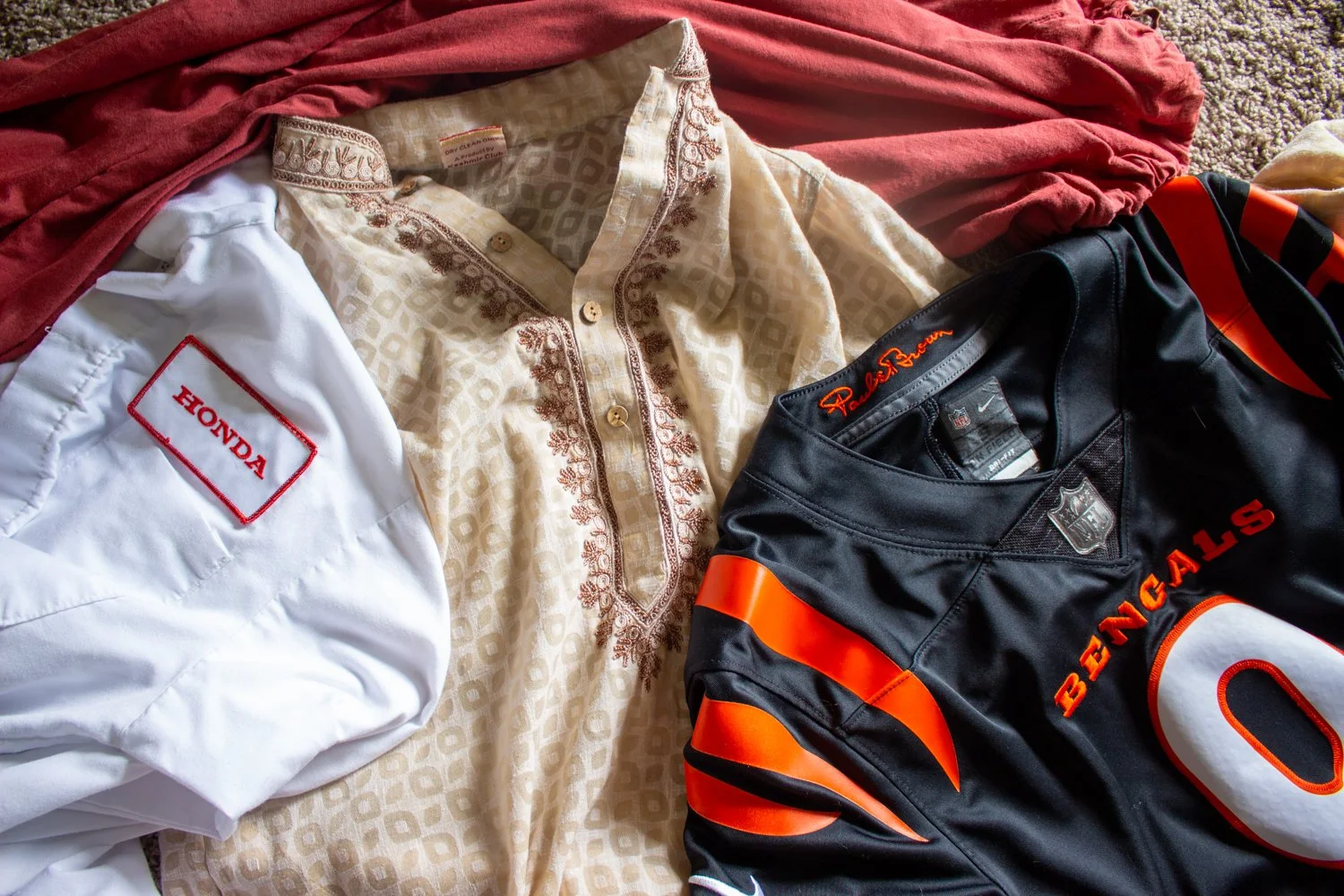
Knowing he moved at 13 and talks highly of both places, I had to ask, “Do you feel like you belong to one place more than the other? Does one feel more like home? Do you feel like a stranger in both? To yourself? To the people? You only know India from a child's perspective, but you don’t have the American childhood experience either. However, teenage and college years have created so much of who you are today. You talk about your American life the most.”
To this, he gave a weak chuckle, and his voice got quiet. “Where are you getting these questions?”
“Just curious,” I said.
“Nobody has ever asked me that. Yeah, it’s bittersweet. I live here, I know the culture, the lingo, the social aspects, the quality of life, the way of living. I am adjusted to here. But still, nobody would call me American. Even if I got citizenship, people will not call me American. They will look at me and say, ‘oh Indian guy’. But if I go to India, yes, I was brought up there, but my accent changes, my Nepali isn’t as good anymore. The way of living, the way of thinking is different. So they will say, ‘oh he is American’. You’re stuck in the middle. You’re not a native of either place.”
But this is not a matter of only being Indian or American. Darjeeling was once a part of Nepal but was overtaken by India. The culture is a mix of Nepal and India, so even in India, he would be between identities, too. While his personal culture is a mesh between many places, it’s not a stress on his identity. Nobody gives him a hard time about it. It is just a feeling. A fact of life. When he is flying into CVG and sees the Cincinnati skyline from Kentucky, that feels like home. Cincinnati gives him a home feeling, and Darjeeling gives him a roots feeling.
“Do you feel like a citizen?”
“Yeah! Just listen to how I talk about politics. I cannot even vote, but everything affects me because I live here, I pay the taxes, everything they (government) do affects me, so yeah. But I will never feel fully American either.”
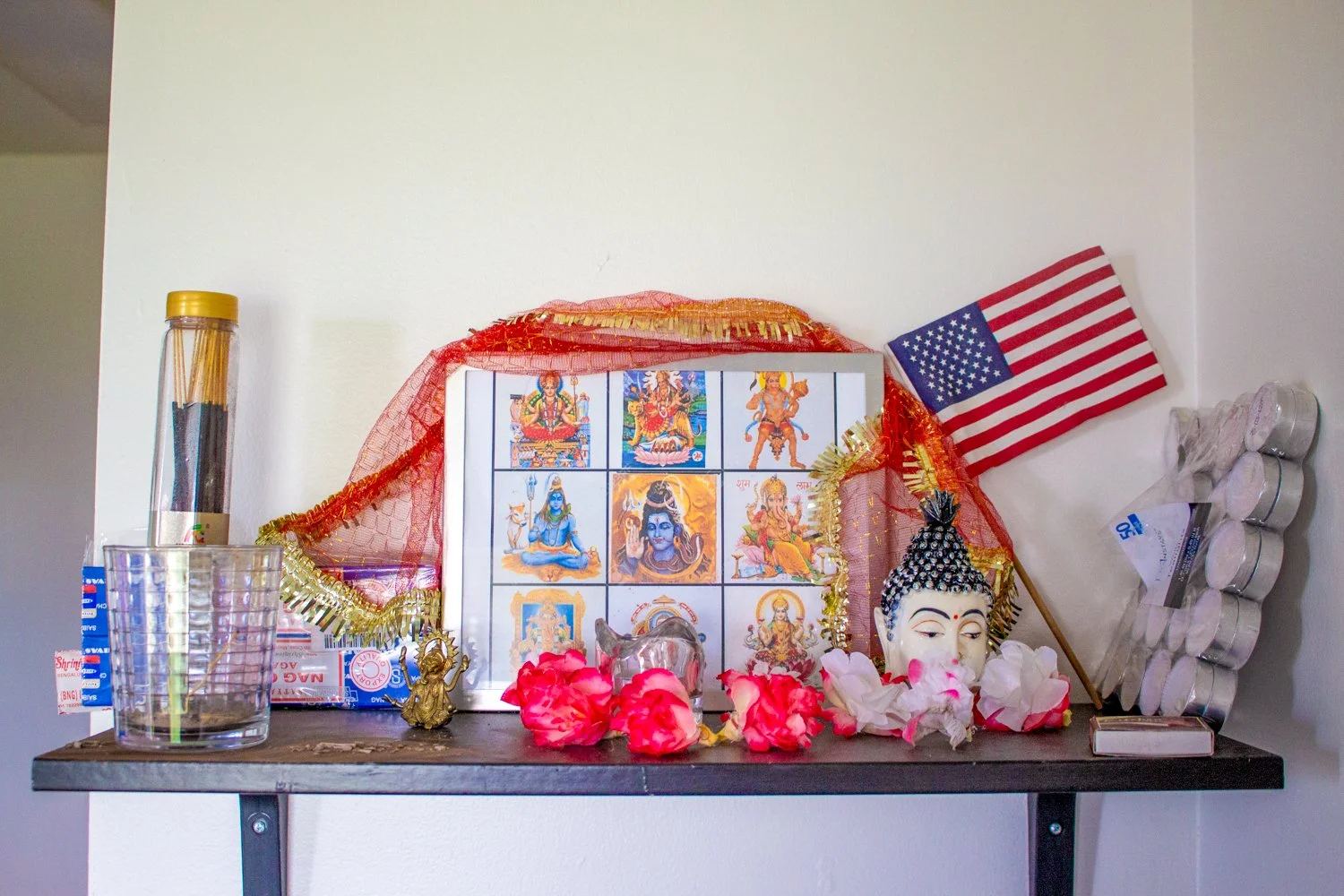
I asked if immigration has diluted his relationships back home, if he’s lost culture he wishes he still had. He said 100%. He’s not happy about that. It’s bad. He’s not good at keeping in touch with people so far away because of time zones and how intentional communication has to be. He doesn’t go to a Hindu temple or do as many celebrations. If his family were here, he thinks he would be more engaged, but they’re not here. He doesn’t talk to any of his old Indian friends, he’s not close with his cousins anymore, and he doesn’t talk much to his grandparents. His way of thinking is more forward, like an American, and less traditional, like an Indian. So yes, the physical distance has created relational and cultural distance too.
“What do you wish more people knew about immigration, emotionally or intellectually?”
“I wish people knew how lucky they are to be born in America.”
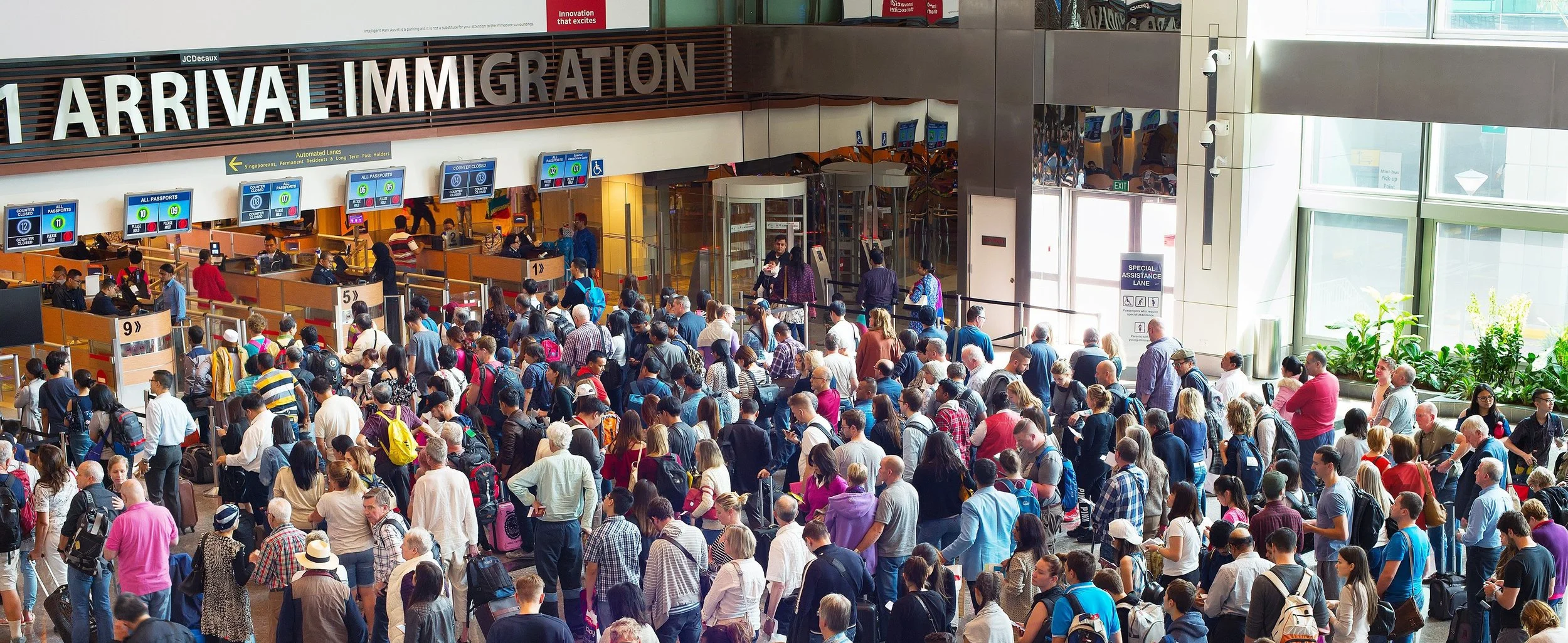
“There are so many people in the world who would love to come to America!” He thinks so many citizens take their citizenship for granted. When people say they hate it here, they want to move out, he can’t help but think, Then get out! Move! People wait decades to step foot here, and they are still not citizens. They just have a hall pass.
Illegal immigrants risk their lives and daily certainty. Legal immigrants sacrifice an incredible amount of time, pressure, money, and family connections. There are rules to follow when applying and processing for a visa, and there are always travel limitations. Many miss birthdays, weddings, funerals, and births for the sake of security. Once in America, visas can be denied for renewal even though their jobs, houses, cars, friends, and maybe family are all here. If their visa gets denied, they are screwed and back to square one. If you want to extend your visa, you can never leave the U.S. You cannot go back to your family. If you do, you have to go through the process to get another visa, which opens up more risk of getting denied.
There are thousands of international students in colleges, but he is certain it would be next to nothing if it did not give them a chance to work in America, to get a foot in, and have the opportunity to establish a life here. Once they graduate, they have two years to find an employer who will sponsor them, or they are sent back to their country. To have full security takes decades. It is draining in every sense–emotionally, financially, physically, mentally. To be born with a secured spot in the U.S. is an expensive and laborious gift. It is not a blessing to be taken lightly.
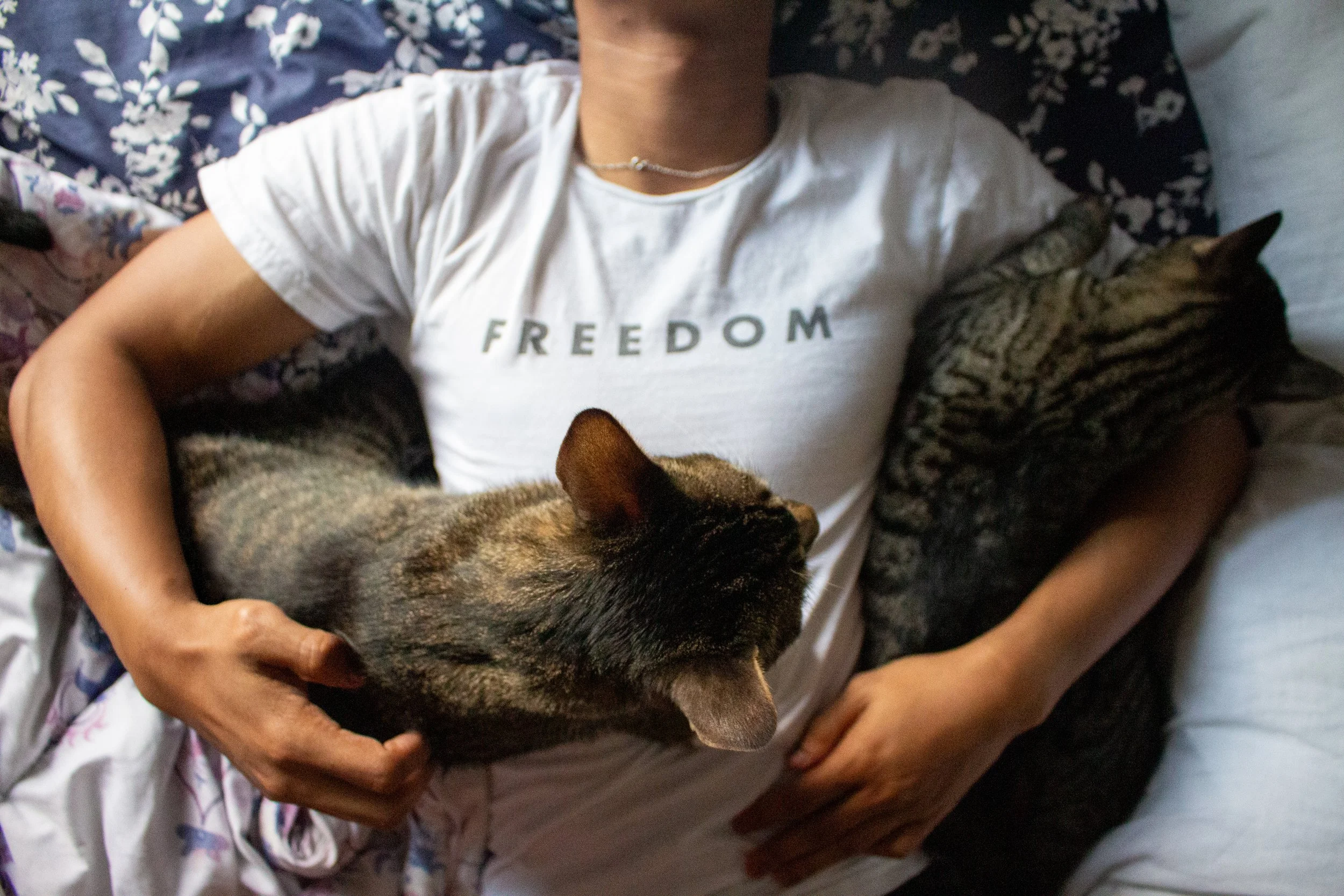
The thing he is most grateful for in America is freedom. It may sound cliché, but at 23, he has a great job, his own place, his own two pets, his own car, and he can travel wherever he wants, whenever he wants. In India, you cannot be 23 and have these things because the jobs will not pay enough.
He loves the diversity of America. He has friends from all over the world, and he has been able to learn so much about different cultures and their histories. There is more opportunity here, more variety, more choices, more convenience, more room for potential and exploration.
I started to ask about his dislikes. What has been the worst part of living in the U.S.? Would he change anything? He said the value of money. Everything is about money, and it really negatively affects people. Healthcare is a good example. The government doesn’t really care about the people, but neither does the Indian government, nor many others. People are also extremely divided over politics. There is political division in India, but it is nowhere near the level of American division. He doesn’t like lobbying, he would change the politics, and he would like to have caps on profits. As for the immigration side of living, I asked if he ever chooses not to do certain things in fear that it could hurt his chances of citizenship or put him at risk of trouble. “Not really.” There are certain things people may risk once or twice, but for him consequences can be harsher. Such as drunk driving, which is already really bad, but if he were to risk it and get caught, that is almost automatic deportation. It’s not jail or money or revoked license, it is everything.
But even with this, he said that there aren’t too many complaints. He didn’t answer as long or as intensely about what is bad or what he dislikes. He has so much more appreciation for the freedoms it has given him that the imperfections are just that, imperfections. Nothing can be perfect, and the negatives are outweighed by the positives.
The last thing I asked was, “Would you have changed anything?” He said, not at all. He is very happy with how his life has turned out.
While American life has created many branches of who he is, his roots remain in his home country. It’s a reality many immigrants live in, but one that few people stop to ask about.
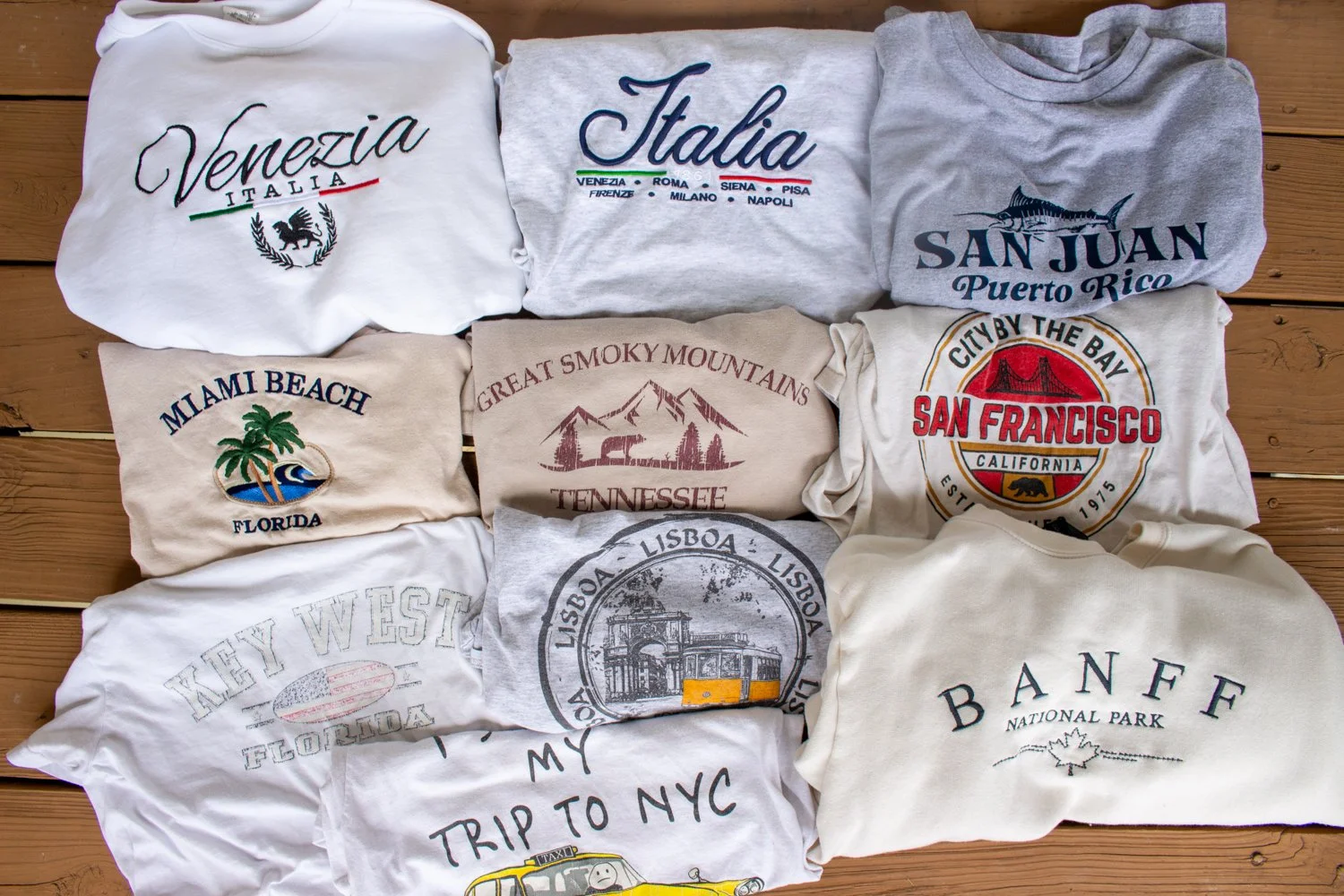
After our talks and knowing him for a little while, the biggest difference I see in him versus my American friends, is that he maximizes his freedom. The way he travels is one obvious example. He strategizes his finances to support traveling to numerous cities and countries. He sees what he wants, what he needs. He will research it, strategize it, network it, and he will often get it. He had a plan to fund piloting school, and even though it’s probably not going to work out now, the fact that he is still trying to pursue a desire he had as a child, I find so sweet, as most people give up on their childhood dreams. Especially since that is part of why he came to America. I also know that he is not going to stop trying; he is just going to find a new plan. A plan B, then C, D, E, whatever, until he finds a way to get his pilot's license. He did a startup idea with a friend. He told me that almost every startup fails, but even if it does, they know that they at least tried.
If I had to pick one thing his friendship has taught me, it is that…
it is a privilege to have the opportunity to fail.

Aida: The Struggles and Blessings of Being an Immigrant’s Daughter
While Heartfelt Tidbits works with first-generation immigrants, a perspective often missed is the children of immigrant parents. We got the pleasure of interviewing and learning about the experience of Aida, a U.S.-born citizen of immigrant parents.
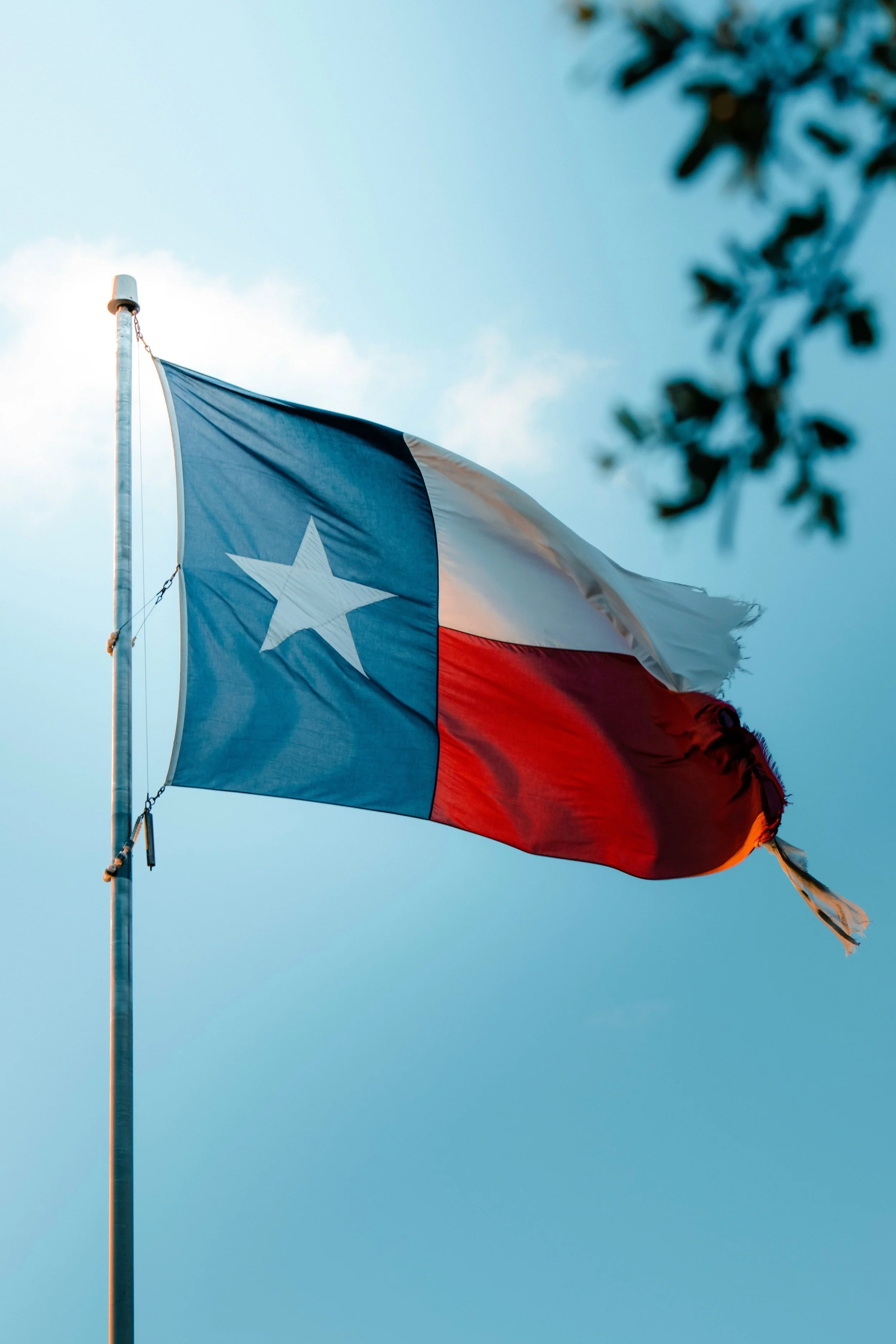
Adam Thomas, Unsplash, May 19, 2020
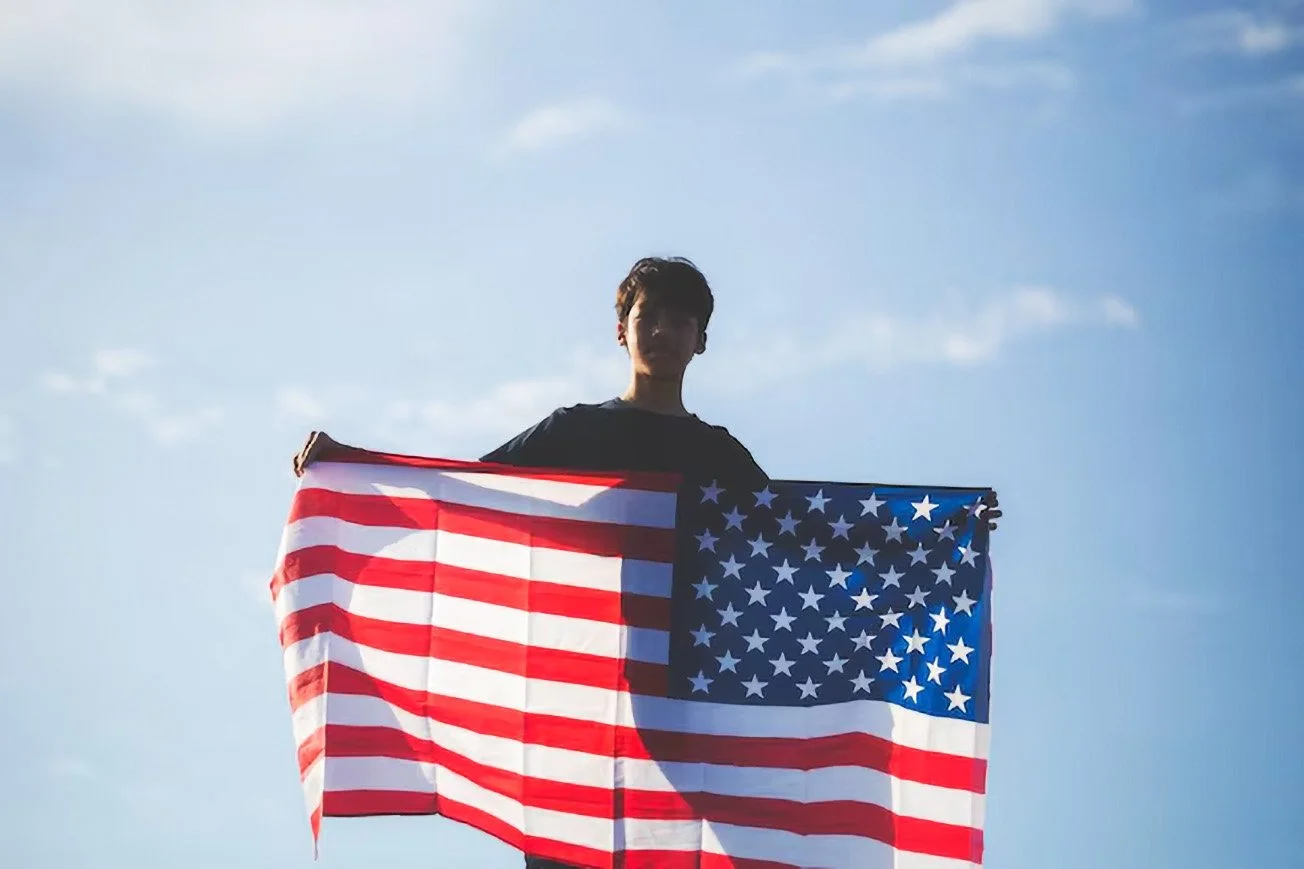
Aida’s parents immigrated to Texas around 1998, a few years before she was born, and got their citizenship while she was in middle school. The day they were granted citizenship, a feeling in the house shifted. The house relaxed knowing the entire family had a secure spot in America. As a child, Aida did homework at the table while her mother muttered answers under her breath in practice for her citizenship test. Even though she is not an immigrant herself, the immigration process for her parents has influenced and altered her upbringing in unique ways.
One of the most impactful ways immigration influenced her life compared to many others is her educational journey. Two years before graduating high school, her father passed. This left her mother grieving while at the same time, solo-providing for the family emotionally and financially. Neither of her parents had gone to college, and with only one parent, there was even less support to figure out how to get into higher education. Because of her mother’s grief and carrying the entire family on her shoulders, Aida didn’t want to add to her stress by asking questions about college. She knew that her mother wouldn’t know the answer, and it would be more work for her to search for them. Aida says, “...a lot of my friends had parents who went to college here and could just know all these things that seemed like common sense to them, but I didn’t know that or have that, and I know I shouldn’t have, but it felt really embarrassing for me at the time having to rely so heavily on stuff like Google and my school counselor, because apparently it was obvious to everyone else.” The amount of extra steps, energy, and time it took her compared to her peers frustrated her; it was not something everyone else had to go through.
After jumping through all the hoops to apply to colleges, she started getting accepted into universities! Being a first-generation college student meant more than she had realized. She is the oldest in her family, and being accepted into any university was a huge, exciting success! She had cousins she didn’t know existed calling to congratulate her. She was extremely proud of herself, but she also felt heavy pressure setting in. Growing up, there was an obvious expectation to have a good work ethic. Not only school, but everything. It was never explicitly stated, but the idea was, “no matter what I do, show up, do my best, don’t give up halfway”. There was almost a little bit of fear to be perfect, too, to not make mistakes, because if she did, she would be wasting her parents’ sacrifices. Even though the pressure was high, she found it to be motivating and could channel it positively.
Dom Fou, Unsplash, November 30, 2020
After choosing a college and being ready to take on the higher educational journey, the challenges created by being a first-gen didn’t stop. She didn’t realize how much there was to be learned; it felt like she was consistently ten steps behind everyone because she didn’t know what she was supposed to be doing. There were a million new concepts, and once she thought she had heard it all, a million more concepts would appear. Cover letters and internships were just a few of them.
Internships were exceptionally aggravating because her peers seemed to all find them through family connections. She didn’t have that resource, and it felt unfair how many additional applications she had to do simply because her family wasn’t connected like others.
Finances were their own challenge. College is expensive, and her mother didn’t know the vocabulary for financial aid documents. Aida barely understood how loans worked at the time, and so she couldn’t help, even though she wanted to. Thankfully, her guidance counselor was able to walk through FAFSA with them step-by-step, and with the amount of CCP classes she had taken in high school, she was able to save a lot of money. However, it was again extra help and energy for something many others could hand off to their parents.
Professional emails were an unexpected difference for her, too. While her friends had parents who could proofread and edit their work, her mother didn’t know what made a good email. She was back to being frustrated by having to rely on internet tools like Grammarly.
Being a first-generation college student didn’t affect only her college applications, but also her ease of getting a job, internship, financial aid, and everything in between. Though never ever did she blame her parents for her stress or hate them for what they didn’t know or couldn’t provide. She is proud to be a first-generation student and is grateful for the sacrifices that made college an opportunity for her.
Rusty Watson, Unsplash, May 21, 2020
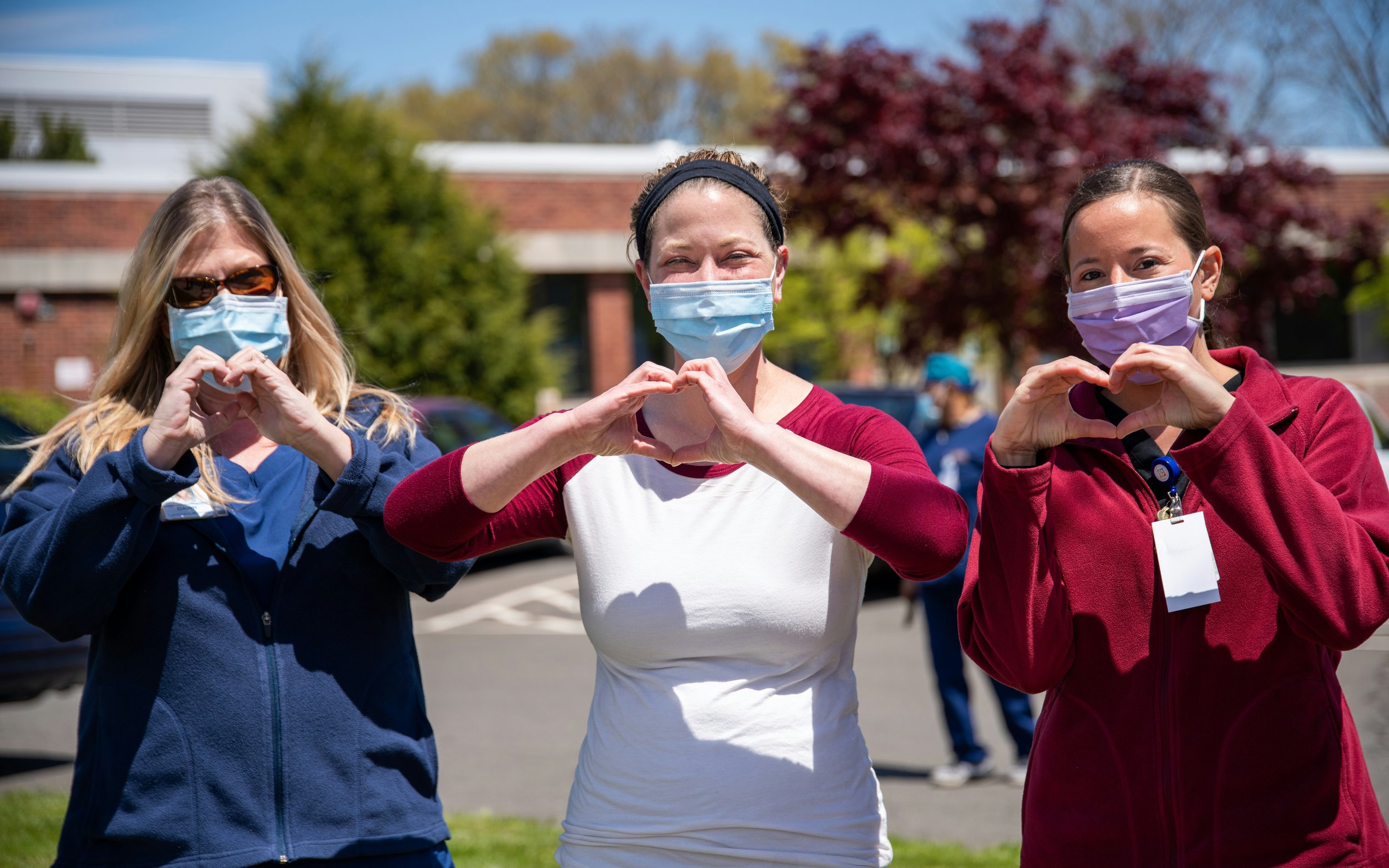
Aida is now a scrub girl and adores her coworkers and job. When her father passed two years before high school graduation, it was from COVID. While he was sick, she noticed the mayhem nurses were in from the overpacked hospitals. Even in their chaos, it never changed how they treated her dad or how they spoke gently to her mother so she would not panic; it made a horrible situation a lot less terrifying. Their kindness stuck with her longer than she had expected. She does say that she is grateful she did not have to work during the pandemic!
Even in her occupation, her upbringing changes her work experience. Being bilingual, she loves that she can speak Spanish to patients who don’t know English or can offer it to people whose first language is Spanish. She loves that she can provide something familiar, and she can see their bodies relax and face become less fearful. Even though there are many other bilingual people in hospitality, she can see that each one of them is impactful.
In her courageous journey, she left a message for other first-gens.
“Don’t be afraid to ask questions, even the ones that feel stupid, because everyone else had someone teach them at home, but you’re literally teaching yourself in real time, and I know that’s something that, when I was going through the process, I was ashamed of, but it really isn’t something to be ashamed of. And also, don’t compare your timeline to anyone else’s, because even if your path is messier or less linear than others. That doesn’t mean it’s less valid because you’re literally the first in your family, like building something from the ground up, and that’s already a huge accomplishment.”
The Wonderfully Creative Ms. Fei: by Isabella Daley

Heartfelt Tidbits intern Fei embraces creativity and discovers a love for teaching...
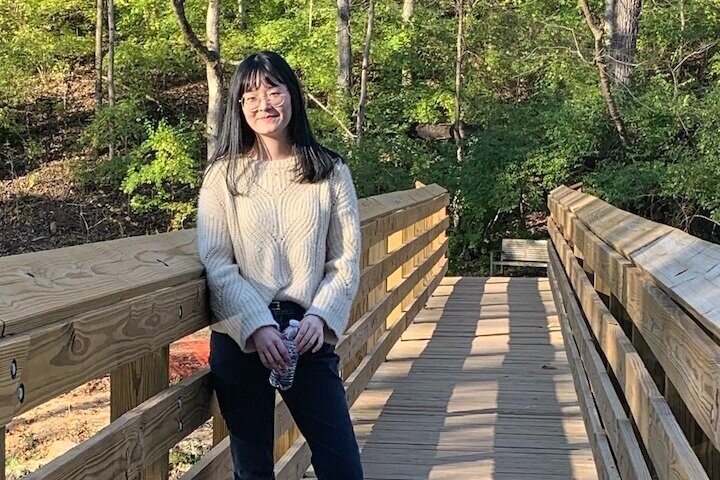
When she moved to the United States at age 17, Fei Mou knew she enjoyed making art, but she had not yet discovered her joy for teaching. Interning with Heartfelt Tidbits has helped Fei combine a long-held passion for creativity with a newly uncovered interest in teaching.
Fei grew up in a smaller city in China called Ning Zhou before traveling to the US to study art in college. "My main goal is to get an art education here," she said. "China's art education system is focused on the technical stuff, but I did not want that." Since starting art school, she has learned how to cultivate an individual style and has grown in how she creates her artwork. The quality of her education has surprised her, and her professors have taught her how to "not only draw things as they are, but to put myself into it," Fei said.
One of Fei's professors helped her find Heartfelt Tidbits when she needed an internship for her college program. "I got this [job] one week before the deadline for the internship, and if I wouldn't have, I would have had to wait another year to graduate," she said. Even though Fei worried at first that she would have little to contribute to the work environment, she now dreads leaving when her internship is over. "I feel like I used all my lucky fortunes to get this job."
Despite her gratitude in matching with Heartfelt Tidbits for her internship, Fei was initially hesitant to be working with children. "Before I came to Heartfelt Tidbits, I thought I hated kids," Fei said. "I look mean if I don't smile, and I thought I would make kids cry. So when Sheryl gave me this position, I was surprised that I really enjoy working with kids," she explained.

Both of Fei's parents are teachers, so she had thought she would never want to have a similar profession. Fei now finds children to be rather cute, and she would like to combine her love for art and working with children. "I realized that this is something that changed my life. I used to only want to do commission work as an artist, but now I think I may want to be a teacher or apply for a teaching certificate."
Fei's internship experience has taught her more than a love for teaching children. When she first started working for Heartfelt Tidbits, Fei made embroideries with a group of refugees, and she had to adapt the way she communicated with them. "I had to try different ways to have them open up. They had a hard time telling their stories," Fei said. Luckily, Fei discovered that "working with them and making something" and "showing them that they are good at something" helped to build the refugees' confidence. Fei further learned that she could do artwork with the group of refugees in an open, relaxed way because "work doesn't always have to be that serious to get the job done."
Though Fei's teaching experiences have been positive and enlightening, she has still faced some adversities in adjusting to life as an immigrant. Though most people she has met have been welcoming, Fei has experienced racism in the US as well. "Recently I had an experience with a man holding a knife at me for being Asian," she said. She misses her family and the food from China as well as the friendliness of her neighbors at home. "The neighbors in China live really close and tight together. When you go outside and see others, you have a close relationship, which I haven't experienced here," Fei said. "It can be lonely because everyone minds their own business."
Another cultural difference Fei has encountered in the US was when she noticed in high school that students could eat snacks during math class. "That really shocked me because in China the teachers would be furious," she said.
High school was when Fei learned how to balance her identity and the transition to life in the US. "In high school, I was ashamed of my nationality," Fei said. She changed her hair and felt that she needed to change herself before realizing that she could still be herself in her new environment. "I learned that I will always be an outsider, and that is okay. I can be myself. Art school has helped me with that as well," Fei added. Outside of Heartfelt Tidbits, the people who have helped Fei feel welcome are her professors. "They have always listened to me," Fei said, "it was really important as someone from another country to be listened to."
Fei has noticed that many people think immigrants come to new countries because they hate their home countries, but she says that is not the case. "A lot of people think that when you immigrate to a new country, you have to denounce your home country," she explained. "People immigrate, not because you don't like your home, but because you have to in order to live."
With her experience both as an immigrant and working with other immigrants and refugees, Fei says it is important for people interested in becoming involved with the immigrant and refugee community to pay attention not only to verbal communication but also nonverbal cues. "There is sometimes a language barrier, so you can't expect too much in people expressing themselves," she advises, adding that facial expressions can communicate a lot. "I have been really grateful to those who have shown their love to me physically and made me comfortable."
"Luckily, I have met a lot of people here at Heartfelt Tidbits who have been really kind," Fei said. "I am really grateful for my experience."
Vera from Uncle Yip's 裕华
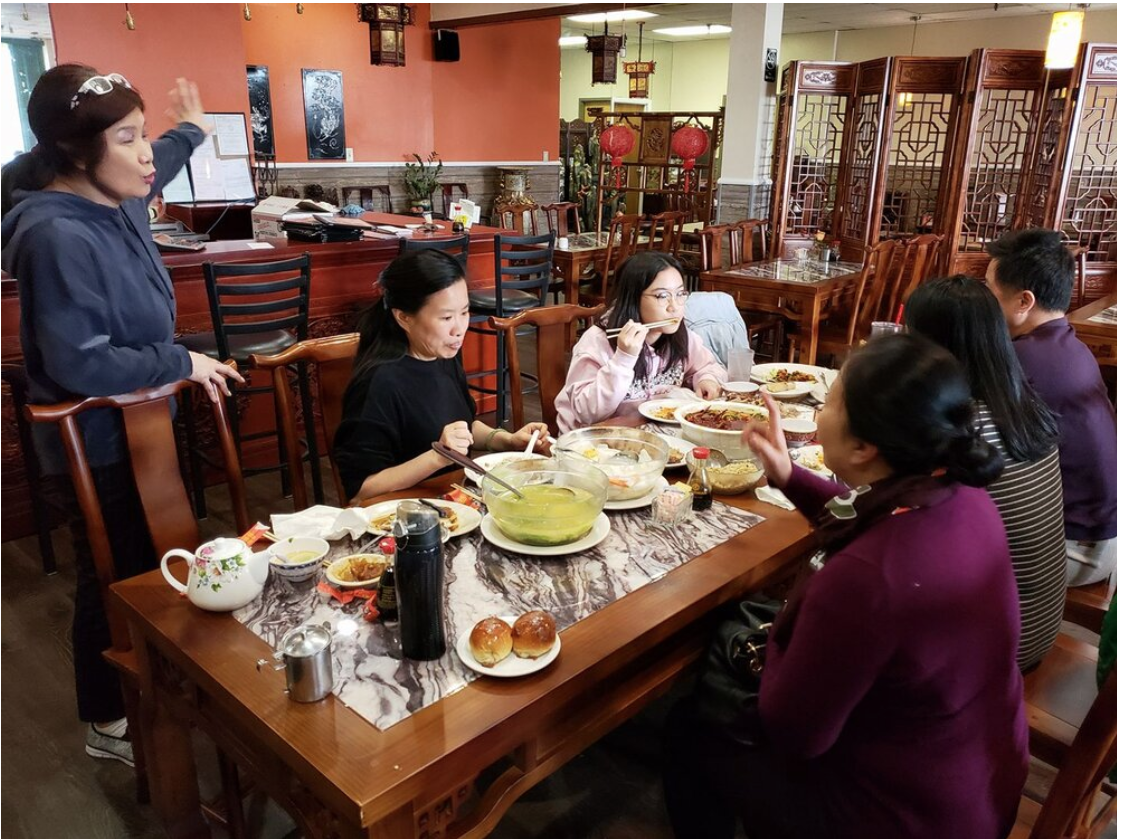
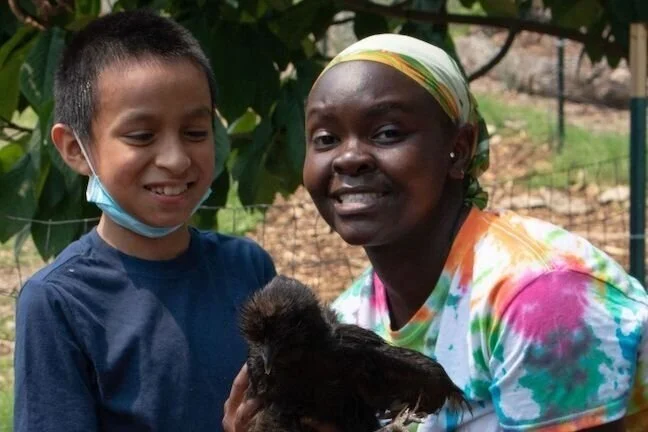
Our UC DAAP intern Zoe had a great phone call interview with Vera from Uncle Yip's restaurant.
Vera’s enigmatic personality is contagious, she told us about her restaurant’s beginnings and what motivates her and her business.
See a few selected quotes by Vera below:
“Even though many people like my restaurant, I am still improving and learning. For example, Kung Pao Chicken, this is a dish that there are so many different ways to make. I teach people the many ways to cook it in their own home. Not just because of the money, but because I want to introduce this dish. I let people come directly to my kitchen and then teach them. ”

“I love this business because I don’t just want to bring good food to American people, but I also want to bring Chinese culture to them.”
An Intern's Reflection: By Isabella Daley

Summer intern, Emiliana's memories of Tanzania help her define goals while working at
Heartfelt Tidbits.
Working with Heartfelt Tidbits has "[re]awakened feelings" related to the difficulties of the immigrant experience for intern Emiliana. Her opportunities to assist with the educational summer camp at AWL as well as working with some individual cases have reminded her where she came from and where she hopes to go.
Emiliana grew up in Tanzania before moving to the United States when she was 6 or 7 years old. Her dad arrived a few years earlier than her mom and three sisters because he came on a student visa "back when it was super easy to get one," Emiliana said. He earned his master's, started teaching, and then received help from a church organization to file visas for his family to join him.
On their flight to the US, "my mom dressed us in these huge ballgowns," Emiliana explained, recalling how she had to run between airport gates in incredibly fancy dresses with her mom and her sisters. Other than that, Emiliana said "I don't remember any feelings I had. I was just a kid."
Her family landed in New Mexico and moved to Ohio about 2 years later. Emiliana learned English relatively quickly thanks to her dad's fluency and her young age. "For me [learning English] was quick because I was a kid, so I just picked it up. I don't remember struggling at all, but my sisters most likely did because they were teens at the time. So they had the thick accent, and my mom was even worse," she said. Her first cereals here were Cheerios and Corn Flakes, and she remembers learning to ride a bike in a parking lot.
Since she came here when she was so little, most of Emiliana's memories are from the US - except for the Tanzanian food of her childhood. One specific candy called Ubuyu comes from a tree in Tanzania, and Emiliana asks her family to bring a large bag back for her every time they visit home because "it's really delicious." This red candy is coated in a sweet powder on the outside with a soft, fruity inside which "you suck on until you get to the seed and spit it out," Emiliana said. "It leaves your tongue red," she added.
In December 2020, Emiliana visited Tanzania for the first time since she arrived in the US. "There were a whole lot of emotions," she said. She experienced a feeling of belonging as she heard people speaking Swahili and noticed that the majority of the people there were African like her. "I felt home. I felt like I was with my people."
In visiting Tanzania and beginning her internship with Heartfelt Tidbits, Emiliana's perspective and focus shifted. Now that she has had the opportunity to work with other immigrants and refugees, she has realized the talents she can contribute to this work and has begun asking what more she can do. She is asking herself questions such as, "if I was running Cincinnati, how would I handle this situation?"
She has applied her fluency in Swahili while making phone calls to invite families in the ESL program to a Family Fun Day event at AWL, and she used her skills in French to help a child who did not speak English during the summer camp. She is studying Political Science at Miami University with a Global Intercultural Studies co-major and was surprised to be able to apply her knowledge to some of the individual cases she has been assigned. She has researched various social service agencies for a man looking for assistance and asked legal questions related to a family facing healthcare barriers.
Emiliana remarked that she was even more prepared than she had expected to be for the internship because "last semester I took a refugee and immigrant class, ironically, and I didn’t know I was going to get into this program so I was able to use the stuff I learned and read about in books and the policies and all that information."
Her experiences working with Heartfelt Tidbits and memories of home in Tanzania have led Emiliana toward new goals, pulling her especially toward Africa. She hopes to start "working with the government, some sort of corporation, an organization, or anything involved with Africa" which would involve a job of "hopefully traveling back home," she said. As for the specific work she hopes to do, Emiliana said she is looking for "anything refugee-related, immigrant-related, or even something with businesses if I know I'm doing something for [Africa]."
In light of her current internship, Emiliana is looking toward the future. "I'm helping those who I can, so hopefully I'm able to help even more," she reflected. "What is the footprint I want to leave?"

Interning with Heartfelt Tidbits provides an impactful and dynamic experience for several college students throughout the summer. One intern, Hannah, has applied skills from her Spanish classes and from years living abroad in her role helping the refugee and immigrant community.
Hannah is going into her senior year studying psychology and art therapy with a minor in Spanish at Miami University. These programs sparked her interest in working with immigrants and refugees, especially when she took a class called Spanish for Community Work. "The whole time we talked about immigration laws, read stories about immigrants, and watched documentaries about them," Hannah said.
Hannah's background in psychology also proved useful in the summer camp at AWL because when she worked with the third-grade students, she could see "their level of empathy in how they treated the other kids."
"I was surprised to learn I liked kids more than I thought I did," she explained. Hannah has been at summer camps and babysat before, but she worried the kids would be draining at times. This summer, she was able to see how sweet kids could be. "They just make my heart melt. The stuff they say is so cute," she said.
Though she enjoyed watching the kids develop new skills at camp, working with two boys whose mom is in and out of the hospital and taking them on adventures has been particularly meaningful for Hannah. "They're in such a tough situation with their mom being sick," she explained. One moment which stands out to her was listening to one of the boys describe how much fun he had at the park. "It's just nice to be able to do something good for them, and hopefully it will impact them in the future," she said.
This is the first internship Hannah has done that is specifically directed toward working with immigrants and refugees. She previously volunteered with a virtual tutoring program for a Hispanic community in Cincinnati and has known other immigrants, but working at Heartfelt Tidbits "has opened my eyes to the daily struggle [immigrants and refugees] go through," she said.
"I'm technically an immigrant," Hannah clarified. "I was born in China, but I came here when I was an infant, and I'm very Americanized." In using her Spanish to call ESL families for announcements about a Family Fun Day event, Hannah realized the difficulties immigrant families face without receiving help or understanding English. However, her time living overseas while her mom was in the military "definitely helped me understand the situation of being in a foreign place where you don't speak the language," Hannah said.
"We moved overseas a lot when I was growing up," she explained. "It was with American people for the most part on American military bases in other countries." However, when she lived in Japan and went "off base," she could not read any of the signs. These experiences have given her more understanding of how immigrants might feel in a new place. "I'm lucky that a lot of the world speaks English, so we were able to get by. People tend to be nice to Americans when you're in other countries, and I know that's not the case here where people are kind of rude to people who are not from the US," Hannah added.
Now an experienced intern, Hannah says that people interested in working with immigrants and refugees should keep an open mind. "If someone asks you to do something and you're the type of person that says 'eh I'd rather not,' then maybe this is not the type of job for you," she said with a laugh.
Hannah's last bit of advice to future interns is that "at the end of the day you're trying to make an impact, and you have to be willing to put yourself out there. Be flexible, be willing to compromise."
Being an International Student: An interview with Francesca Gottardi
International Student Emergency Fund
The interview with Francesca Gottardi was conducted on Wednesday, September 9, 2020 @ 10:00 a.m. via Google Meets.
Hello reader! My name is Lia Cavalaris and I am a UC DAAP intern with Heartfelt Tidbits.
I had the joy of interviewing Francesca Gottardi. She is an international student who is presently a J.D. Candidate at the College of Law and Ph.D. Student at the Department of Political Science, both of which are located at the University of Cincinnati. Her focuses and research are on international law, European Union law, American law, international human rights, and Indigenous rights.
Interviewing her was an inspiration to me, and I feel it will be an inspiration to many others as well. She drew light to many of the experiences that international students may face while studying during this time, but also in general.
Though presently financing her education has become increasingly difficult due to COVID-19, she is highly motivated to push forward through her academics regardless of the heightened pressures. Please consider donating to our International Student Emergency Fund upon reading this interview, to assist her and students like her in their academic careers.
Lia Cavalaris: Firstly, I would like to ask you to introduce yourself, what you are presently pursuing in your coursework, what some of your passions are regarding your career, and how they may intersect
Francesca Gottardi: Absolutely, so my name is Francesca Gottardi, I am 28 years old, and I am originally from Italy. I was born and raised in Italy, this is where I graduated in 2016 with a degree in European law and international law. After that I came to the U.S. I am here pursuing a dual degree, a J.D. (Juris Doctor degree) and a Ph.D. in Poly Sci, I am currently a 3rd year student. Some of my interests are international law, international human rights, Indigenous rights, and how these 3 areas of law interact and overlap. So, this is what my research is currently focusing on. Both at the Ph.D. and with the J.D. side of things.
L: Awesome! I am curious, what made you decide to pursue further education outside of Italy? And how has that affected your studies?
F: So, while pursuing my law school degree in Italy, I pretty quickly realized that I was very interested in the international aspect of the law. How the law interacted, not only on a national level, but on an international one. I majored in European and international law already as a part of my Italian J.D., and then when I graduated in 2016, I worked for the European Union for about a year. It is there that my interest in everything that is cross-cultural and international deepened. I made the decision to come to the U.S. because I felt I had a strong background in the civil law system, which is what most European countries have as a legal system, and what is predominantly used in some pockets of Africa, South America, and Asia. But really the civil law system is only one of the two major legal systems. I was well versed in the civil law, but I was not as comfortable navigating the common legal system, which is the other big legal system worldwide. And so I decided to come to the US to pursue further education and develop expertise in the common law, as well as in the civil law. And this was driven by my motivation of ultimately becoming an international lawyer. And so, I feel that to be a very effective international legal practitioner, you really need to be well versed in both systems.
L: Yea, absolutely! That’s awesome. So it’s a very unique experience, do you find that a lot of people go down that route of studying law here to get both those experiences if they are practicing international law?
F: No, I don’t think so. Or at least, I don’t know of very many people who not only gain a J.D. in Europe or in a civil law country and then decided to pursue an entire J.D. in the US or in the common law as well. Many, me included at first, usually do get a J.D. in Europe, for example, and then come to the US to pursue and LL. M. (The Master of Laws) which is a one-year program that gives you part of that expertise. It mainly allows you to sit for the BAR here in the US. So at first, I came here to pursue an LL. M., but then after completing that year, things were going really well! The Law School (of University of Cincinnati) just opened a program that allowed LL.M. students to transfer to the J.D. program. I had been very successful in completing my LL. M. year, so the Law School was very excited to have me in the first cohort that transitioned to the J.D. program.
L: Ah!
F: So, I embarked in the whole thing! After completing one year of LL. M., I am currently also doing the full J.D. program.
There are several reasons I don’t think it is a really common path. First of all, it is really long.
L: Yeah!
F: So it’s a long journey! I graduated Law School in 2016. I already had at that point 6 years of higher education under my belt, and then coming here and deciding to do the full thing again. So, not only completely the full year of LL. M. but then the 3 years of law school all over again!
L: Yeah (Laughs).
F: So, it’s like doing law school twice. It’s hard and it’s time consuming. It is quite expensive in the U.S, and not necessarily easier to be admitted to a law school as well. So, there are various reasons why I think this may not be a common path.
L: It’s giving you such a unique experience though; I can imagine it’s going to only help further yourself and your career. Giving you a broader understanding of things, It seems like it was a good move. I am that way too, you dedicate yourself to do something, then you do it thoroughly and you do it right!
F: Yeah! Exactly. And you know, ultimately what helped my case is that I am really passionate about my studies and my research. So, there is that inner motivation that really just pulls me through obstacles and the difficulties, which there are many, but I hope this will put me in a good place or situate me well once I am done with my degrees. This unique expertise in both arenas, both in the common law and civil law, and also being able to communicate by speaking various languages, will assist me in being able to interact with a diverse population.
L: Yes! You’re motivating me, this is wonderful. I love hearing people speak about things they are passionate about. I feel it really shows in the work as well! If you are not passionate about what you are pursuing or doing, then it definitely effects the work you are doing.
F: Absolutely! Both in the quality, but also the grit that it takes.
L: Agreed!
F: When the umpteenth difficulty and challenge comes to present itself, you know if you don’t have that grit and that motivation, you just give up. And sometimes it is hard to just pull through and push through.
L: But you get stronger each time!
F: Yeah! Yes.
L: It’s like weight training.
F: (Laughs) Yeah, I like to think that!
L: So, I am curious with COVID-19 happening, which I hate to bring it up since it is already at the forefront of most of our minds, but I am wondering how this has impacted your studies? Especially with being an international student.
F: Well actually Lia, I am very glad you asked because as international students, I feel we are especially impacted by this current situation. Personally, I have been impacted under several points. Firstly, when COVID-19 hit I lost my ability to access my office at Crosley Tower (at the University of Cincinnati). At that point, I was living with a host family, so my office was a very important place for me to study and to interact with my peers. Losing that was quite hard. And again, I was living with a host family, they are middle aged people. With me still going in and out of work, it became dangerous for me to live with them. Especially at the beginning, we didn’t really know what it was all about, or how to prevent it. So, I lost a place to stay. And I bounced from one place to another for about 3 months until I was able to find a new place to stay. And it impacted me in that my job was affected. It was a transition, so I was not able to fulfill my job as I was used to. But also, for international students, there is the issue that the boarders are closed. So, when that happened back at the beginning of the pandemic, I was faced with the impossibility to return home.
L: Right, especially in Italy during that time.
F: Yes, especially in Italy. Because back then Italy was really-really heavily affected. So, I couldn’t go back home. Both because there was COVID hitting hard, but also because if I were to go back home, and this is still true today, I would not be able to come back to the U.S. because I am not a citizen, I am not a permanent resident, and I am here under an F1 visa (student visa). And so currently, borders are closed for those who are not citizens or permanent residents. I wouldn’t be able to come back. And you understand that I have a lot at stake here, so I cant just not come back!
L: Yes.
F: But also, you know to date, I have not seen my family and friends in a while, a year for my close family and 2 years for many of my friends and other family. So, I am facing now another year without seeing them. This is very difficult, and also when the pandemic hit and my job was affected, my studies were affected, my housing situation was affected, I didn’t have that support system. And so, I am not going to lie it was very challenging. Again, here is why I need to constantly remind myself why I am here, and why it is so important for me to be here and to push through, otherwise this would be very hard. And as a last example as the sacrifice that it takes to be here, especially during COVID, two of my closest friends got married in these couple of weeks and I was supposed to be the maid of honor in one of these weddings. For me it was so difficult. And that’s when I start thinking, “Gosh I am sacrificing a lot with losing these moments”, “Why am I doing it?”, “Is it really worth it?”. And yes, it is worth it for me, but it is challenging.
It is hard missing out on those things.
L: Mhm. Absolutely. It’s the importance of human connectivity! It is super difficult thinking of how we are disconnected during this time. It is challenging us to pay extra attention and to understand how important connections, interactions, friends and family, all these things are. It is harkening us back to remember at the core of all human beings is this need for connecting with one another.
F: Absolutely, I agree with you 100%. Especially as human beings, we need that meaningful connection. I consider myself to be an extroverted person, so I really thrive in a context where I interact with other people. So, having that taken away can become difficult. This situation also brings out the best in us, I have seen so many efforts by people to have those meaningful connections in other ways, like what you and I are doing right now. And in many other events organized remotely, or for instance in the case of my best friend’s wedding, I ended up being connected remotely the entire time. So there are positive aspects to it, and in facing the challenge together, but it is nonetheless a challenge.
L: I definitely agree with that as well. It certainly has been a display of how we create ways to maintain connection and help each other. I have seen a lot of that, and I feel like it may have rekindled something within many people. Funnily enough, life felt more separated at points before this epidemic. Because now, during it, we can see the connections being made, the kindness, and efforts during this period of upheaval. You get a bit of both.
F: It was very heartwarming to see all these crowdfunding initiatives, to see people raising money for hospitals and people in need, so again, that was something in a way that was unexpected, but it was a beautiful surprise to see the best in us coming out.
L: It shows the power of us and community!
F: Yes!
L: That we can help each other and make life better for each other.
F: Absolutely.
L: Continuing down the path of speaking about these changes that are happening and what it is like being an international student, I am curious to hear about what changes you might like to see moving forward for international students in higher education. But also, if there are any general things in upper education that you might like to see change or take a different form.
F: I am very content with how higher education works here in the U.S., it is of an extremely high quality and there are really a lot of opportunities, but what I do see as an issue for international students is are those barriers in accessing it. Let me explain this better, it is difficult for international students who often times come from backgrounds where education is structured differently, where education is oftentimes more accessible in terms of finances. The mere fact that it is so expensive, which is not something an international student may be used to, and it is oftentimes not something that the system here accommodates very well for international students that, for instance, do not have access to federal loans. So that’s one. And then the second is to make it more accessible not only in terms of financial barriers, but also in terms of the paperwork needed and the difficulty to even immigrate here sometimes to study. So, to sum up I think it would be positive to see it changing towards the direction to where it is a more accessible system and one that is more open to diverse cultures, no matter the background of the individual might be. Although again, I personally am very content with the opportunities that I have had here, but it has still been difficult at times again as an international student navigating these entrance barriers. Entrance barriers and also visa related or immigration related barriers.
L: Yeah, because you are tackling like six different ends with the visa process, the finance process, among numerous other hoops. I feel like there definitely is a way to make this easier and more accessible and streamlined for people. I can imagine it just gets to be exceedingly complex the higher up you go in the system, it takes a trained brain to be able to navigate these complex situations, which it shouldn’t be that difficult to receive education.
F: Yeah, I do understand it is important for countries to have the need to protect their people, to foster safety within their borders. I do understand, but it is still extremely difficult for international students to navigate here and then to be able to set up a system to be able to afford education. Even some scholarships are admitted to only Americans or permanent residents, and so it’s difficult at times. Another barrier I see is that as an international student, my tuition fees are higher, I am not a Ohio resident I am not a US resident so I need to pay a considerable amount just for the fact that I am international. I don’t mean this to be a complaint but more so an opportunity to express the challenges that might be unique to international students.
L: I think it is important to bring light to those things, because I am also a student at UC and I know how my tuition looks, and I have a friend who is an international student from China and she talks about her tuition rates and how much more expensive they are. And it was a total shock to me! I hadn’t realized it was that exponentially different. It is to a point where it is making it difficult for people to access this education, that is not fair to people. I think it is important to talk about these things.
F: Absolutely.
L: I feel like a lot of people aren’t aware I don’t think.
F: Yeah, I agree.
L: So, stepping away from education as an international person, I am interested to hear how being away from your birth home has shaped your views on “home”. Do you feel like you have multiple homes? Multiple spaces, like one in Italy and one in the US, or do you feel home will always be in Italy? How do you approach that?
F: This is a very interesting question; you see I have been living in the US for over 3 years now and I do feel at home here. At the end of the day, in the terms of education, my job, and where I see my future heading, it is here. And so, I do feel at home in the US, but I do still consider Italy home also. It was the place I was born and raised, it is where I grew up, and it is where my family and my friends are. So now, it feels like I am almost sitting between two chairs!
L: (Laughs).
F: And so, I have a home in Italy and also here. And I feel just as comfortable in both. Living here unlocked the possibility to have one more home on top of my Italian one. One more chair to have!
L: Yeah! Maybe you’ll have even more chairs in the future, a chair for a foot, another side, and another foot!
F: Yeah! And sometimes it does get confusing because when I go back home in Italy, you know I do feel at home, but also there are things in the US that pull me back. And those things are hard to share with my Italian friends and family. And so, I feel at home when in Italy, but I still feel that need to come back (to the U.S.). But it is the same thing for the U.S.! I feel at home but also like there is something that draws me back to Italy.
L: It really is split down the middle!
F: Yeah! That’s accurate.
L: Well, thank you for sharing such beautiful thoughtful conversation with me, it was such a joy to get to hear you speak!
F: Yes! Thank you for your time and thoughtful questions. And thank you for hearing my story– I truly appreciate it!
Artist and Poet: Meet Krishna
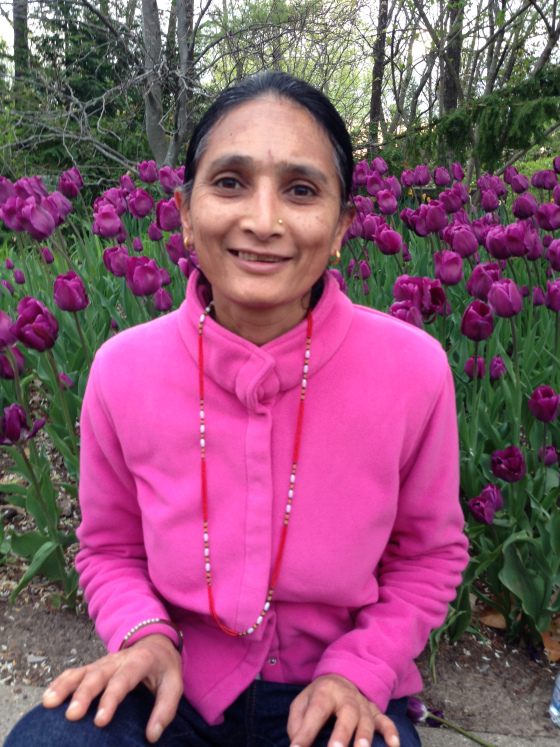
Originally from Bhutan, Krishna arrived to Cincinnati in 2008 after spending years in a refugee camp in Nepal following an ethnic cleansing in Bhutan…
Pagal
Oh yes, friend!
I am crazy
That’s just the way I am
I see sounds,
I hear sights
I taste smells
I touch not heaven but things from the underworld
Things people do not believe exist
Whose shapes the world does not suspect
Stones, I see as flowers.
Lying water-smoothed by the water’s edge
Rocks of tender forms in the moonlight
When the heavenly Sorceress smiles at me
Putting out leaves, softening, glistening, throbbing.
They rise up like mute maniacs, like flowers,
a king of moon-bird’s flowers
I talk to them the way they talk to me
A language, friends,
That can’t be written or printed or spoken
Can’t be understood, can’t be heard
Their language comes in ripples to the moonlit Ganges banks
Ripple by ripple
Oh yes, friend! I am crazy.
That’s just the way I am.
Pagal was originally printed in The Journey Home by Sheryl Rajbhandari.

About Krishna Ghimire
Originally from Bhutan, Krishna arrived to Cincinnati in 2008 after spending years in a refugee camp in Nepal following an ethnic cleansing in Bhutan in the early 1980s. Ghimire immediately began to study English. As a single mother, she has assisted with helping new arrivals understand how to take care of their homes, helped with fundraising by knitting items to sell, and led cooking for fundraisers. She also works in the community garden and participates in sewing classes. She passed her citizenship test and now teaches citizenship to other refugees. She is often recognized for being a great role model, mother, sister, and friend. Krishna is also a recipient of the Heartfelt Tidbits Citizen Award.
Heartfelt Tidbits Joins National Network to Support Refugees

Every single day, our goal is to make #refugeeswelcome, starting here in Cincinnati, Ohio. Today we’re excited to announce that we are partnering with similar organizations through the #HelloNeighborNetwork. Together we’ll share ideas and resources to help each other reach that goal on an even bigger scale.


The Impact
I’ve been hesitant to write this story. The reason is quite selfish. It’s a sad story and difficult to write without tears…
I’ve been hesitant to write this story. The reason is quite selfish. It’s a sad story and difficult to write without tears.
Many of us look at our lives in the USA and think what a great place to live. We have freedom, our families, and unlimited opportunities. Food is plentiful, helping hands abound, we’re not running from bomb sirens or drug lords burning down our neighborhoods.
Over the past 14 months, I’m sure many of you have felt as I do, heavy-hearted. I wake up each day focused on making and being the change I want to see in the world. Some days the news of the current politics steers me into the direction of a sadness that I’ve only felt during the death of a loved one and leaves me paralyzed.
Today was one of those days. I woke up from a week away and anxious to see everyone at The Welcome Project. When I noticed one of our Syrian students was missing I made a mental note to check on her. What I learned was that she was home and just didn’t understand why she should even bother coming to an art class.
I’ll refer to her as Ms. M. Ms. M. left Syria after witnessing her husband being bombed in front of her eyes. Can you imagine, watching the person you have lived with for 40+ years flying in the air in multiple pieces and finding their hand laying on the ground? Could you continue to live, make it across a country on foot to get to safety and what would drive you to do so? As Ms. M. explained to me she did it for her 5 adult children. They had lost one parent and she was still alive and they had each other. This is how they escaped the madness and insanity. They looked into each other’s eyes and encouraged each other to keep going.
Fast forward two years, Ms. M. is now living in a refugee camp still weeping over her loved one and reliving his death multiple times a day. Her sons come to her and inform her that they have a chance to start again in a new country, the USA. Excited they complete the application for her, her 5 children, their spouses and her grandchildren. Her youngest son and her are the first to leave the camp for their new home. Her youngest son is told his very pregnant wife can’t leave just yet but he’s assured that they’re next. So off to the USA the two of them come while the others have to wait to join them in the USA.
Ms. M. and her son are excited. They can set everything up for the remainder of their family. Then the election hit and Syrian refugees were banned, indefinably, including the pregnant mom who has now delivered her first child alone in a camp.
Ms. M. and her son are no longer excited. Now they’re fighting a system that is torturing them. They can’t leave the country and return to the refugee camp to be reunited with their family and they can’t get their family here. Despite the horrific terror they faced in Syria and the poor conditions of living in a refugee camp, they had each other. Now they’re alone.
When I met Ms. M. my goal was to provide her with as much happiness I could to keep her going each and every day. I felt this was what I could do to offset a situation that I really couldn’t control. For a while, it worked. I began to see her coming out of her shell and her tears turned to laughter; song and sometimes I could get her to dance. When her grief overtook her, I was there to hug her along with all of the other friends she had made.
She and her son applied for a green card and learned there still isn’t an update on the remainder of their family other than it wasn’t looking good. Stop and imagine this. Imagine you and your spouse being separated during the birth of your first child. Think about being the one being stuck in the camp, would you be jealous of your mother and brother for making it to the USA and not you? You might say no but imagine sitting in the same tent for 4 years and what this might do to your thoughts.
What is happening to this family is torture. Ms. M. and her son are being tortured each and every day they’re separated. If we had stolen them it’d be called kidnapping. We didn’t steal them but we did promise that they’d be reunited with their family. There are 1000’s of Ms. M.’s and Mr. M’s., living in the USA without knowing or having the hope of seeing their loved ones including children they have yet to meet.
So today I weep. I weep for Ms. M., those who have been taken into deportation, those living in paralyzing fear and those that have such anxiety they’re spending time in the hospital for the impact it’s having on their bodies. I wonder, will they survive, will I? Can they hold it together long enough to see if the citizens of this great country work to change this political climate?
So friends as you’re out and about in your neighborhoods and see someone that looks different; smile, say hello and befriend them if you can. This is a tough time for so many. Think long and hard before saying something like “you must be so happy to be here now.” This is no longer true for so many. Speak out against this and let the politicians know this isn’t America you know or the one our Constitution is built on. If you’re religious, pray daily for our newest neighbors, send energy and love their way.
So yes, this is a sad story but I felt I’d be doing a disservice to those new neighbors that I’ve come to love, by not sharing this. Everyone deserves to see the reality and impact these bans, constant bantering over a border wall, ICE and our current leadership has on these HUMAN BEINGS.
Creativity + Friendship = Success
For almost a year now, a group of 7-10 women have been meeting at the Wave Pool and learning art techniques from Cal Cullen and other local artists…
For almost a year now, a group of 7-10 women have been meeting at the Wave Pool and learning art techniques from Cal Cullen and other local artists. What began as a journey of “let’s teach some art,” has led too much more. Friendships have evolved, uncontrollable laughter, an election, pink pussy hats, tears of joys and sadness, frank discussions about the human anatomy shared in each language, a beginning to a deep understanding of our inner soul and unconditional love for one another. A community was built amongst strangers.
As two artists, a woman and her daughter in law, mourned the loss of a son and husband, they found comfort and friendship from their new friends. As a Syrian woman wept and shared through the little English she knew that each time her eyes closed she saw bombs exploding and feared for her children that she left behind in the camps in Jordan, a new picture was painted for her through art. This one was of beauty and joy, pomegranate seeds.
The most unexpected, yet exciting gift to each of these women, was the realization they were capable of creating something so beautiful. This has given them purpose and passion. This passion has led to an extra day each week on Thursday’s to share techniques with those that couldn’t make it on Monday or Tuesday, and to experiment further.
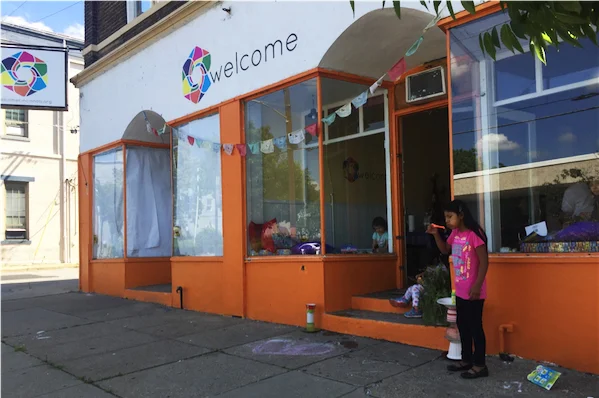
The Thursday class began at Tikkun Farms and is now hosted at the new Welcome site in Camp Washington. Thursdays are filled with laughter, children and visitors. People paint, sew, experiment and just sit idly enjoying the conversation. Around noon food starts coming out of cloth bags and lunch is casually eaten while the projects continue on. The kids relax, read, play and wave to neighbors while sitting in the window reading nook areas.
The Welcome site has provided an area for friendships and healing. Many who attend have faced trauma that they haven’t been able to express because of language barriers. Their art and sewing enables them to heal through the meditation and creation of the project. Their perspectives have broadened as guest artists and volunteers teach them new skills and they visit galleries filled with various exhibits.
After a recent visit to a nature trail with artist Amber Stucke, to create herbariums, the participants commented that they would never look at greenery, weeds or flowers the same way. After mounting their collected nature on pages to be displayed in Amber’s gallery exhibit, Emergence, at the Wave Pool, they now see not just a plant but art.
Sometimes sidewalk chalk and projects needing to dry adorn the front sidewalk. Neighbors pop in and curiously ask what’s happening today. It’s a place where all feel welcomed and comfortable. The ladies are now beginning to sell the items they’re making, teaching workshops and accepting custom orders. If you’d like to visit our new site Welcome or learn more about it, details can be found at Welcome.
An Award
When I received a call a few weeks ago notifying me that I had been selected as one of three finalists for the 2017 Cincinnati Rotary Jefferson Award, I was honored…
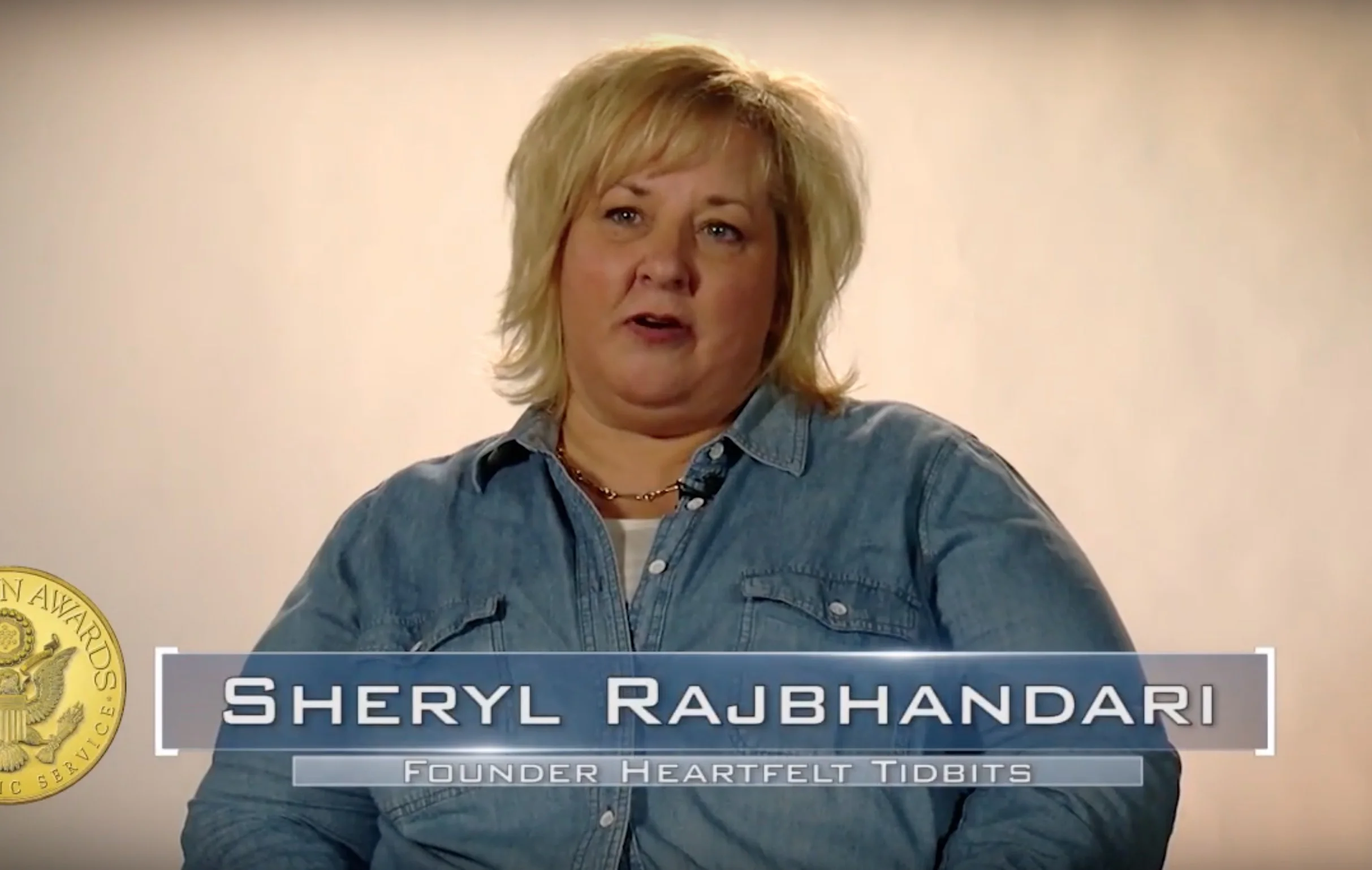
When I received a call a few weeks ago notifying me that I had been selected as one of three finalists for the 2017 Cincinnati Rotary Jefferson Award, I was honored. I had heard of the award the past 4 years after receiving a letter saying I had been nominated but not selected as a finalist. I wasn’t sure who nominated me but told Bill from the Rotary that I was excited and looking forward to learning more about being a finalist. Over the next two weeks, I was contacted by Selena Reder from WKRC who was producing the videos for the finalists that would be shown at the lunch. I thought, how exciting, I will have a video that depicts what I do. What I didn’t realize is that in three to four minutes you can’t even cover a 24 hour period of what I or volunteers at Heartfelt Tidbits do. You can gain an understanding of the overall mission but the work would take a few days to describe.
You’d have to begin with getting to know the 16,000 people that have come to rely on Heartfelt Tidbits for some type of support. To put this into perspective, in 2008, year one, we supported a hundred or so people and at the end of 2015, we were supporting 12,000. Growth is an understatement. This support could be English, citizenship, acculturation support, art, sewing, driving lessons, gardening, hospital visits, wedding celebrations, school assistance, assisting with a car accident, college visits, referrals to our partners for services that they provide or just a phone call to say hi.
Next, you’d have to spend time in your car visiting the partner sites where we hold programs and classes. Trust me when I say this is the best part. When I walk into a partner site, I tell myself that if I ever give this role up, I want to work or volunteer for each one of them. Who are these great partners? Wave Pool Art Center, Tikkun Farms, Northminster Presbyterian Church, Roberts Elementary, Education and Community Matters, Academy of World Language, Reading Lockland Presbyterian Church, Ascension Lutheran Church, Franciscan Community Garden, Turner Farms, Win4Work, RefugeeConnect, ArtWorks, Ohio State Extension, countless galleries, parks, etc.
Then there are the volunteers and the volunteer groups. How many volunteers do we have? I’m not sure of the exact number because tracking those names and number on a single spreadsheet has fallen to the bottom of my “to do” list. For our Friday English and citizenship class we have 17 volunteers that show up every week to help 45-65 students. We have volunteers that coordinate in neighborhoods, tutoring in libraries, driving kids and adults to the multitude of places they need to get to, adopting families, visiting hospital patients, advocating for refugee and immigrant rights, fundraising, teaching art, quilting and sewing.
When I attended the Cint. Rotary Clubs luncheon on March 2, 2017 with my family I couldn’t wait to see the video. My husband asked why, I said “I want to see how Selena managed to take the 25 minutes or so of me talking and then reducing it to a 5 minute or less video to tell my story about Heartfelt Tidbits.” When I saw the video, it brought me to tears. Selena did a fantastic job in condensing a story that’s larger than life, so many moving pieces and parts and at times quite overwhelming, into a beautiful narrative that made sense.
While I didn’t win the local award I found myself satisfied to be considered and reminded of what brought me to this point. One single family, with a story that moved and transformed mine and my families life forever. For this I’ll be forever grateful.
Art – The Universal Language
A few months ago I received an email from Calcagno (Cal) Cullen asking to meet with me to discuss refugees living in Cincinnati…
A few months ago I received an email from Calcagno (Cal) Cullen asking to meet with me to discuss refugees living in Cincinnati. She stated that she was an artist, art teacher, and owner of the Wave Pool Art Gallery. She had recently finished a collaborative project with refugees living in a camp in Southern Italy. She did several art projects related to their hopes, dreams, and memories and worked to turn some of their art into a wallpaper design that now benefits the UNHCR (read more here). We arranged a meeting in late March and the creative adventure began.
Many resettled refugee adults and youth are natural artists and spent their days drawing and creating art to pass the time in refugee camps. Upon arriving in America, art falls to back burner while they try to manage and acclimate to their new life. We noticed their passion for creating and were using art as a way to expand their vocabulary and friendships along with feeding their soul. After meeting Cal there was a new excitement.

Ram Rai’s acrylic painting depicting life in the refugee camp.
I wondered what could we create when led by a true artist? Little did I know that creating art with her would be the tip of the iceberg. The relationship blossomed into so much more.
We did our first project with Cal giving a group of us an up close and personal tour of the Do Ho Suh exhibit at the Cincinnati Contemporary Arts Center.
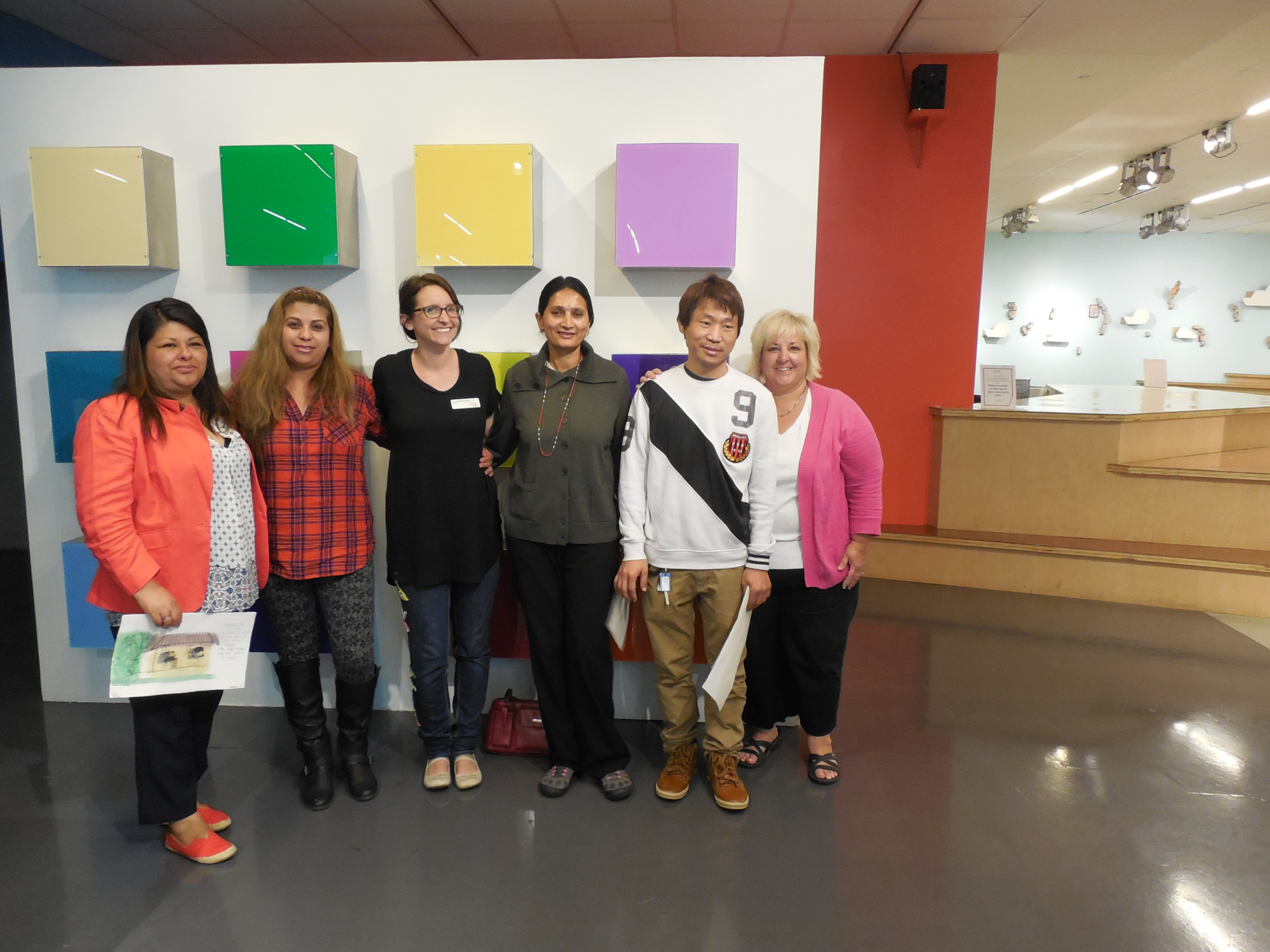
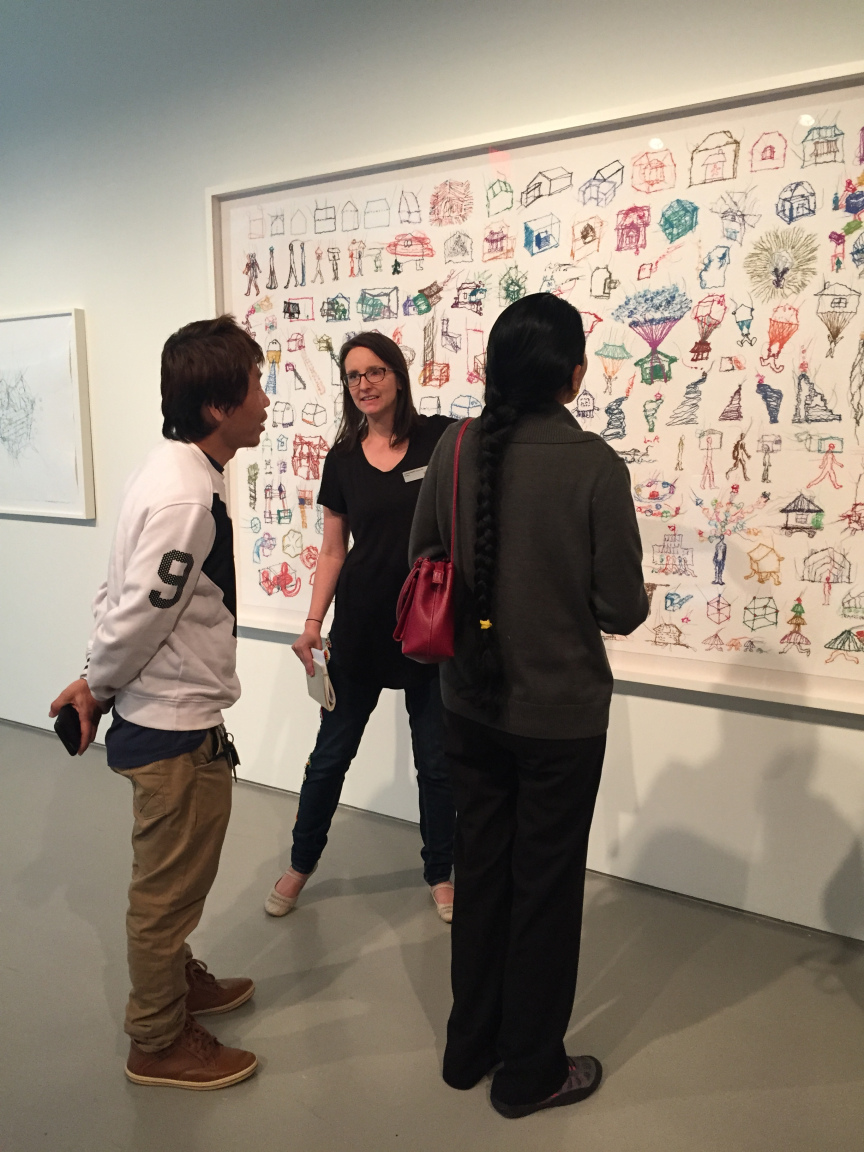
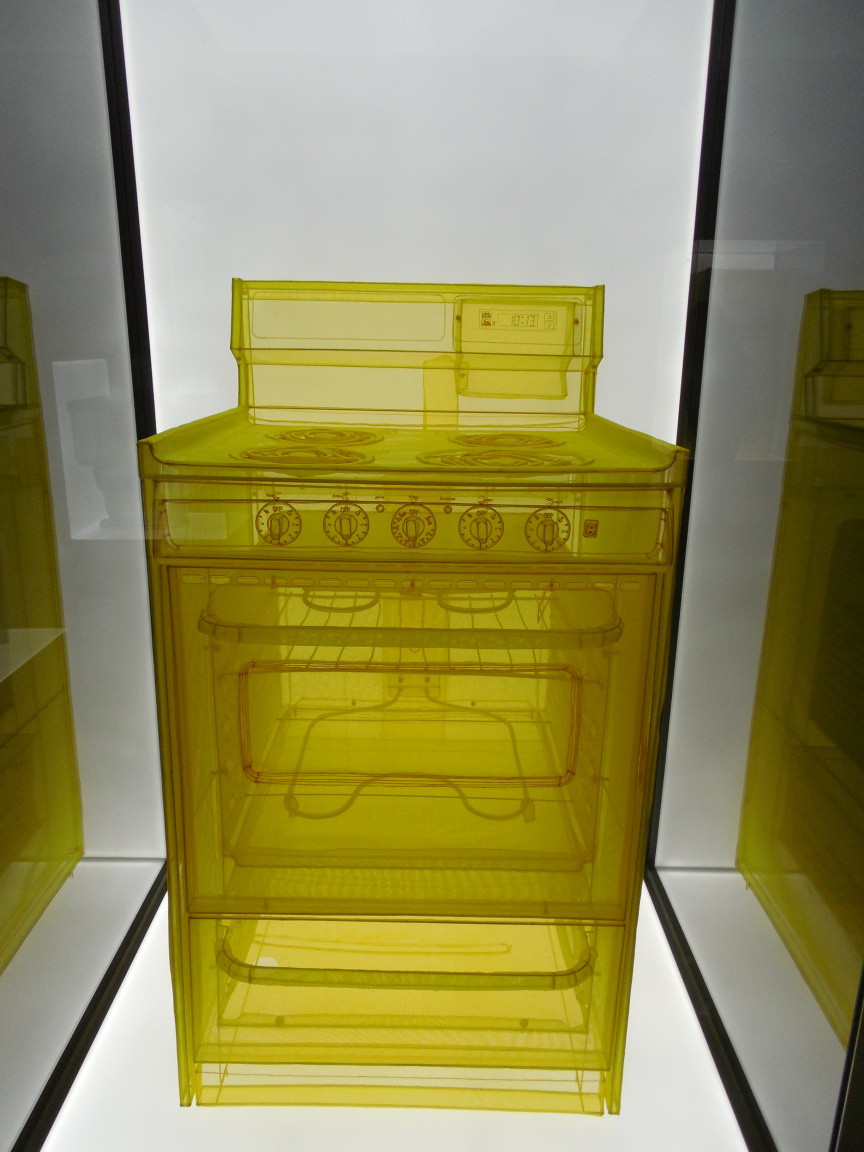
Former refugee girls began meeting once a month at the Wave Pool to work with Cal and resident guest artists for projects. The girls were introduced to Sam Ihrig and Anna Riley, from NYC, to learn how to bring sand to life via glass. Sam and Anna took the girls through their process, materials and then allowed them to create their own glass piece.
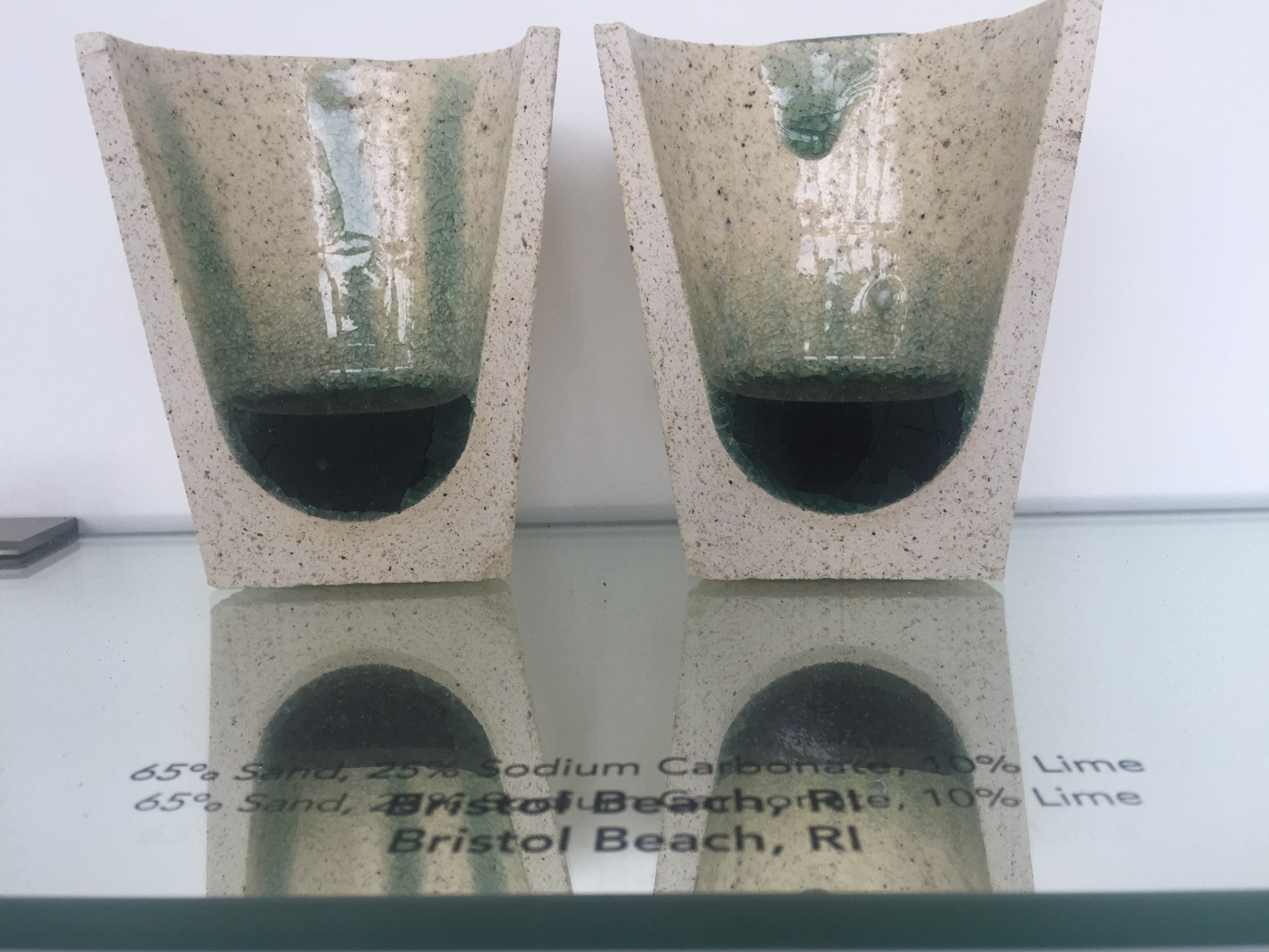
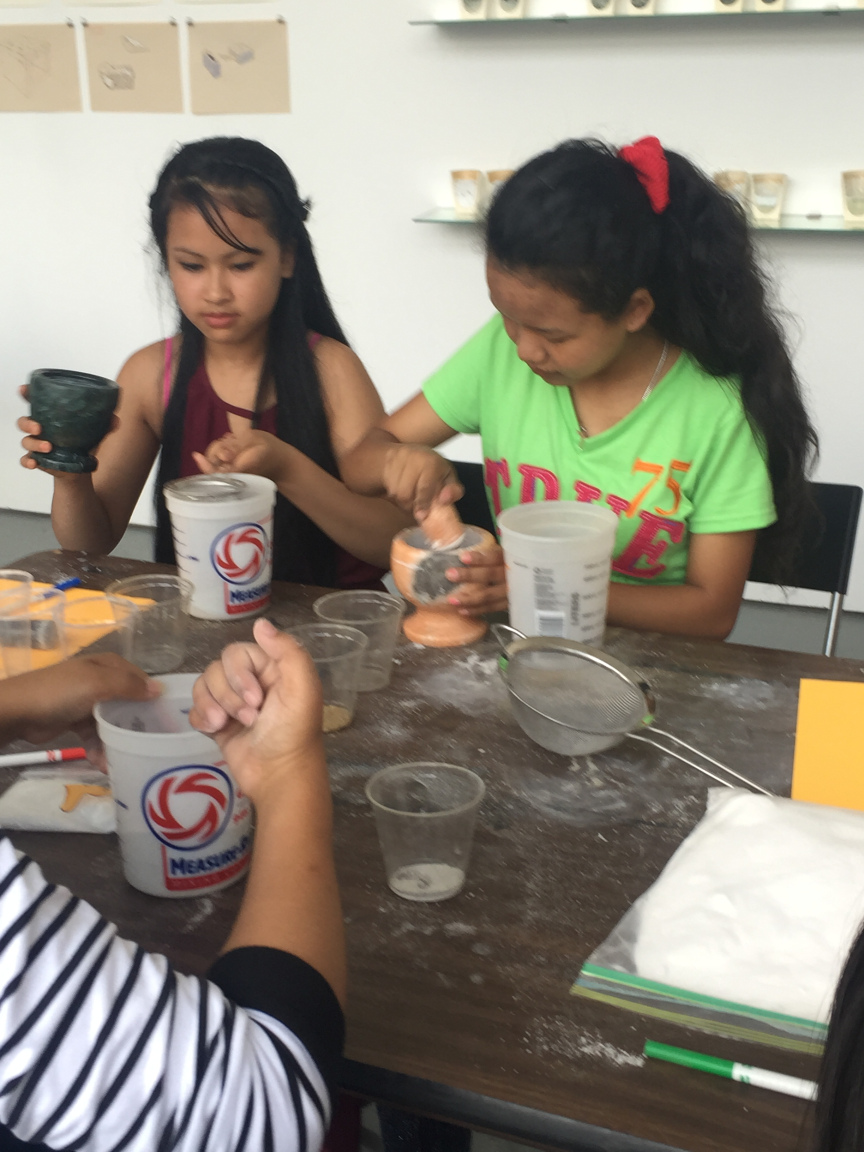
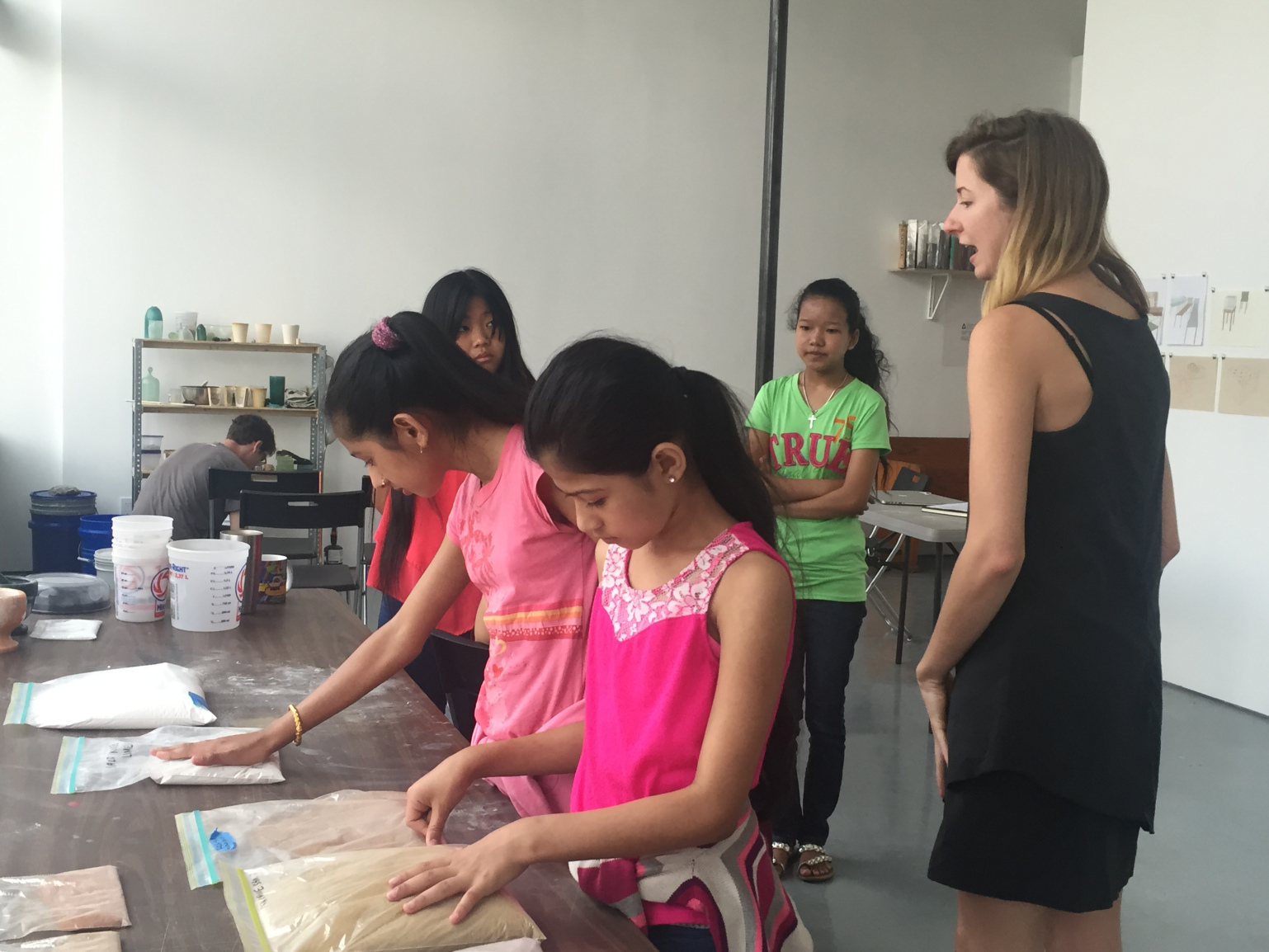
In July they had an opportunity to weave a plant holder and take their own succulent home while working with artists Matt Spahr and Valerie Molnar who transformed the Wave Pool Gallery into a live plant gallery.
The Wave Pool Gallery was the location of the 2016 Girls Teen Empowerment program. Guest speakers visited the site to discuss futures, overcoming obstacles, handling stress and believing in you. Cal incorporated this theme by having the girls use paper to mimic and create Peruvian arpilleras.
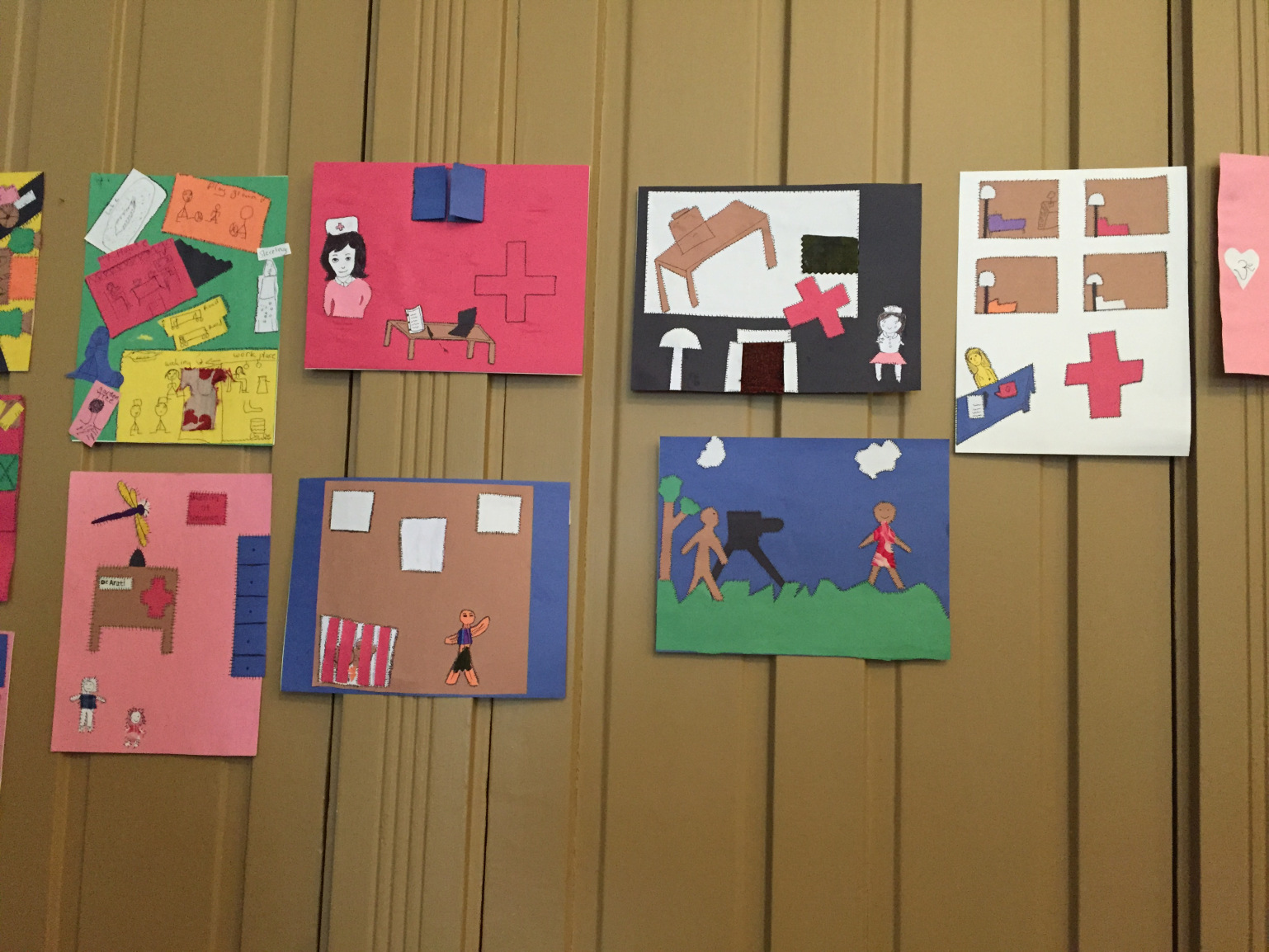
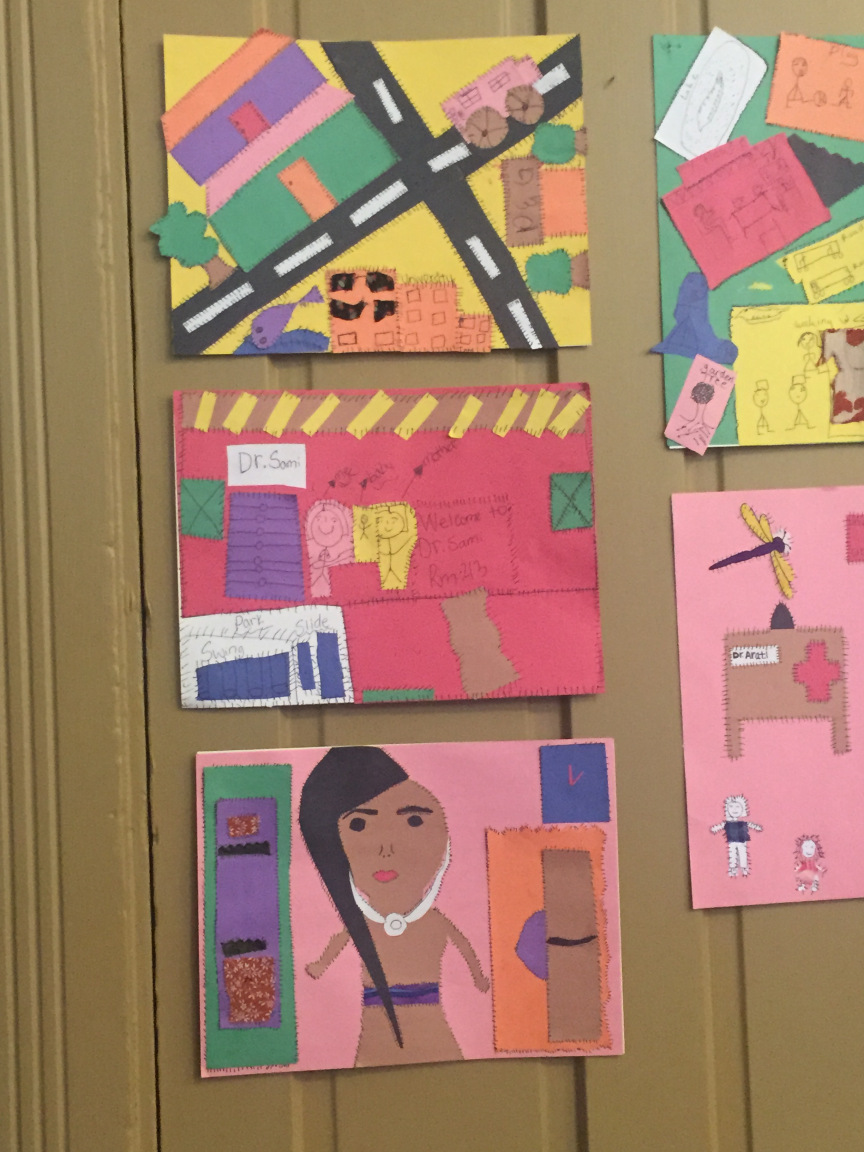
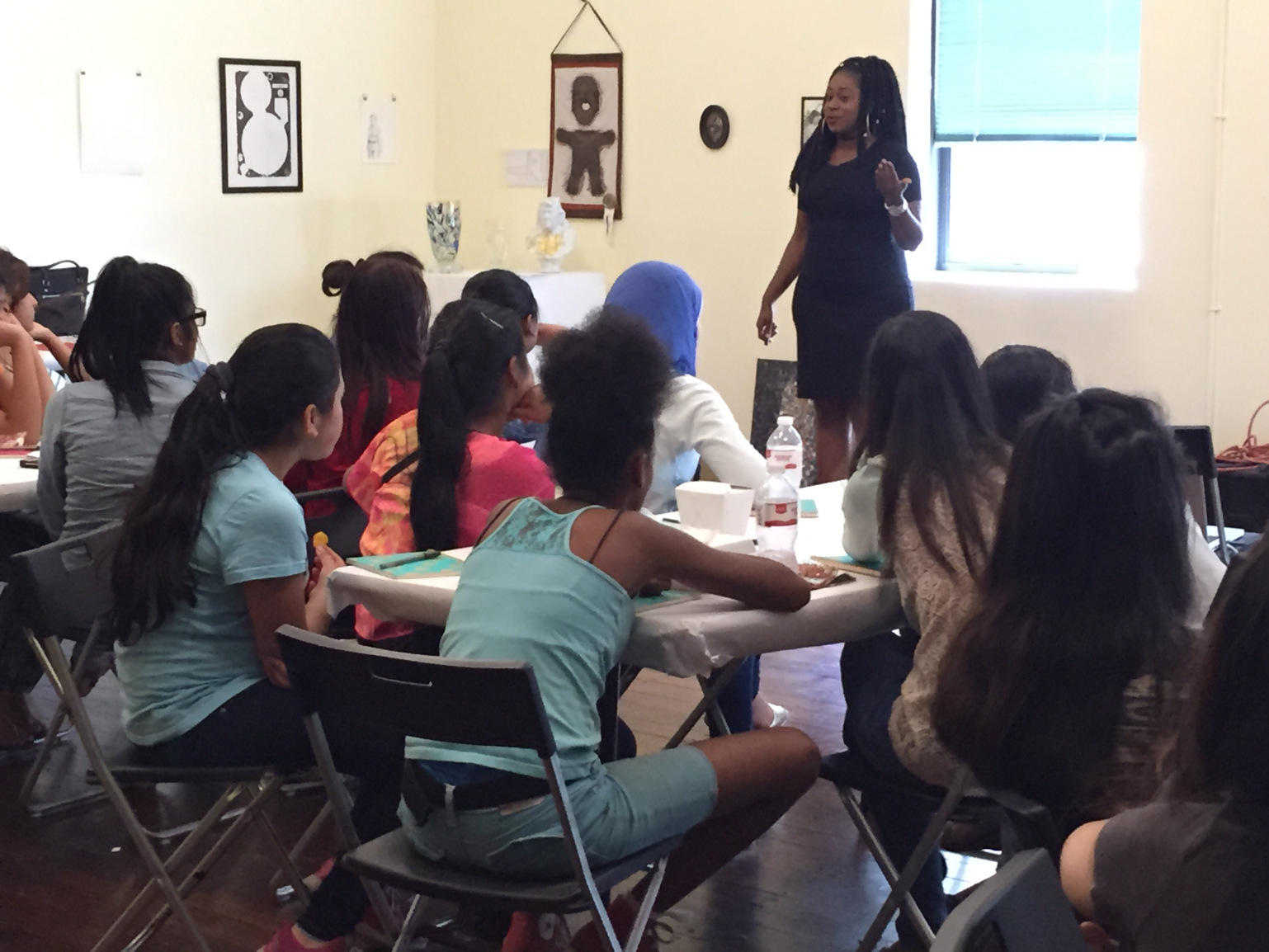
Most recently the teen girls and ladies have had the opportunity to view some of the exhibits participating in FotoFocus Biennial 2016. We have visited three of the six ghost images placed by Paulo Cirio. Visit the Wave Pool Gallery to view the map and location of the six local ghost images created from security feeds.
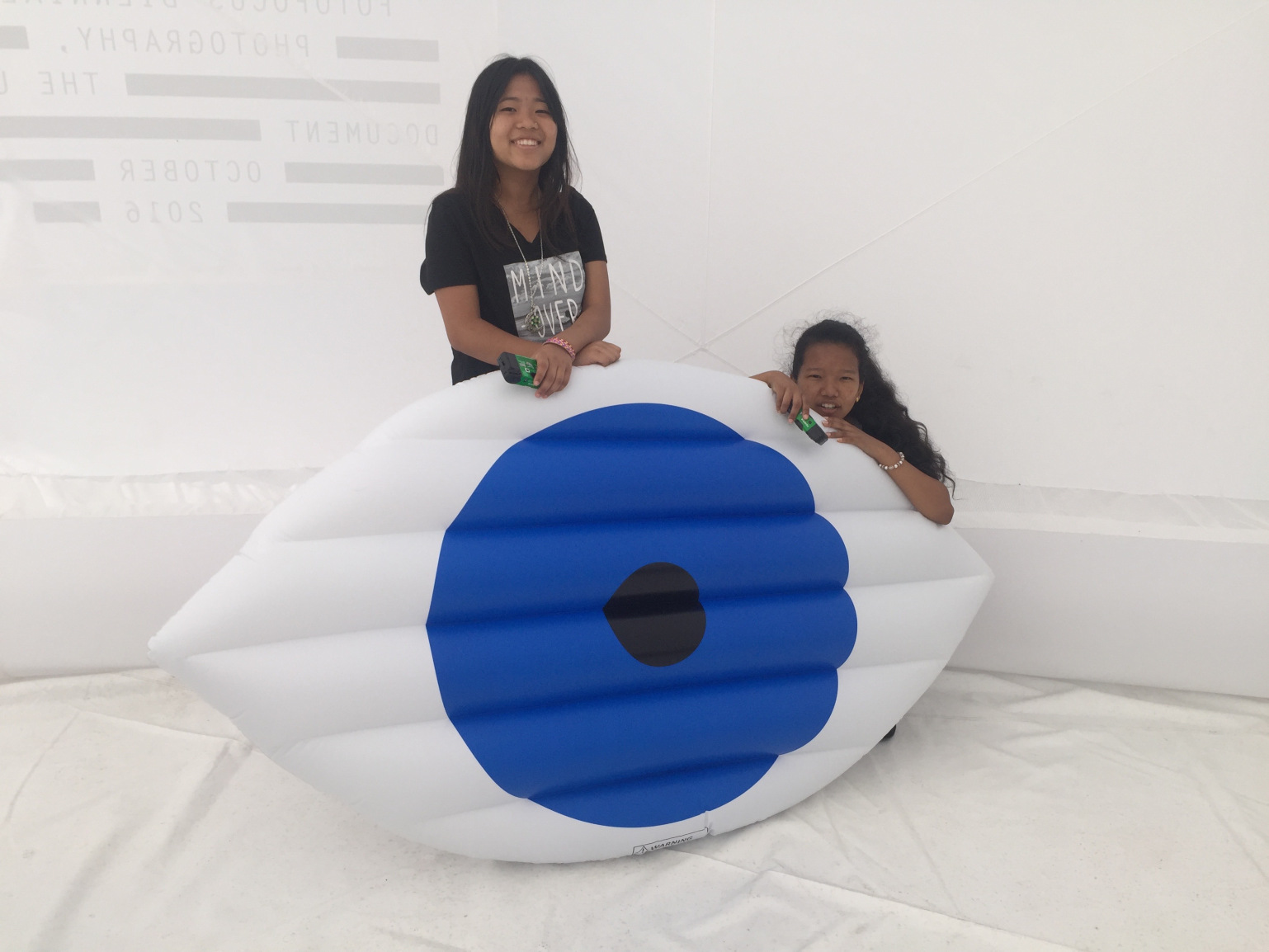
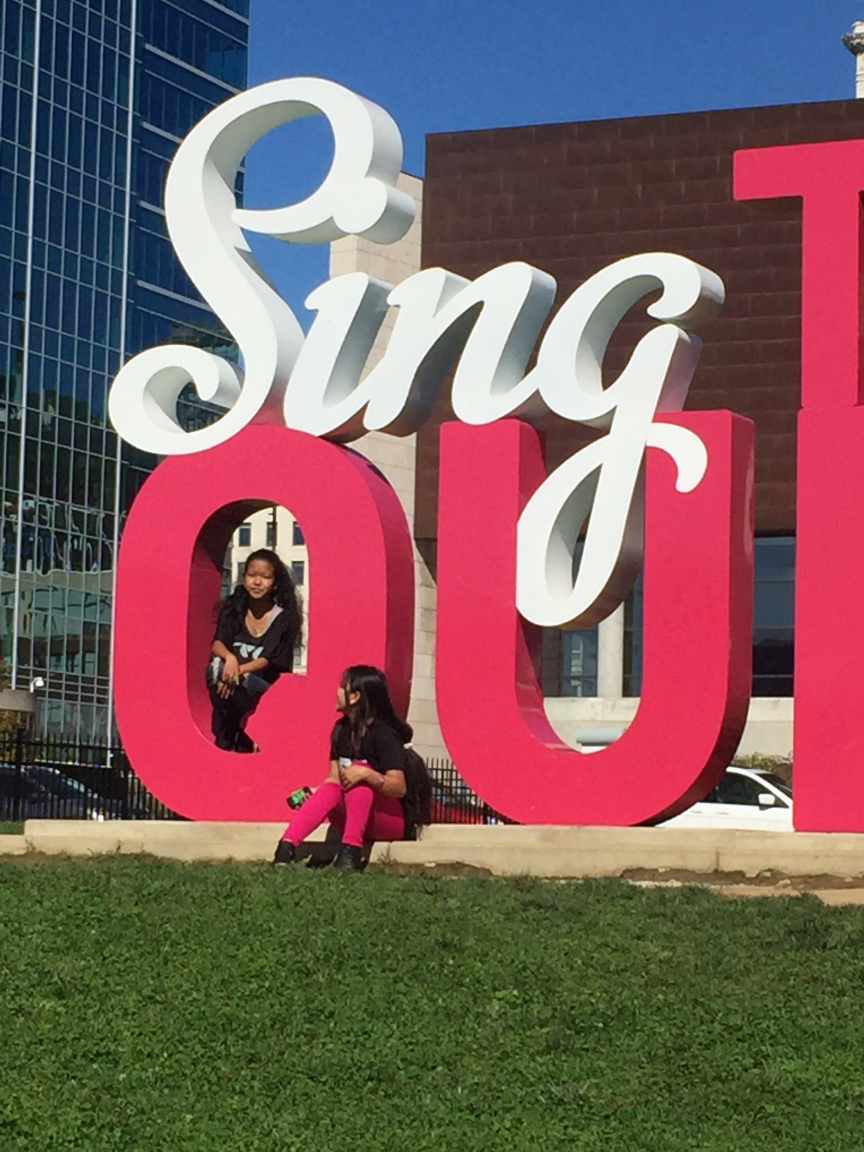
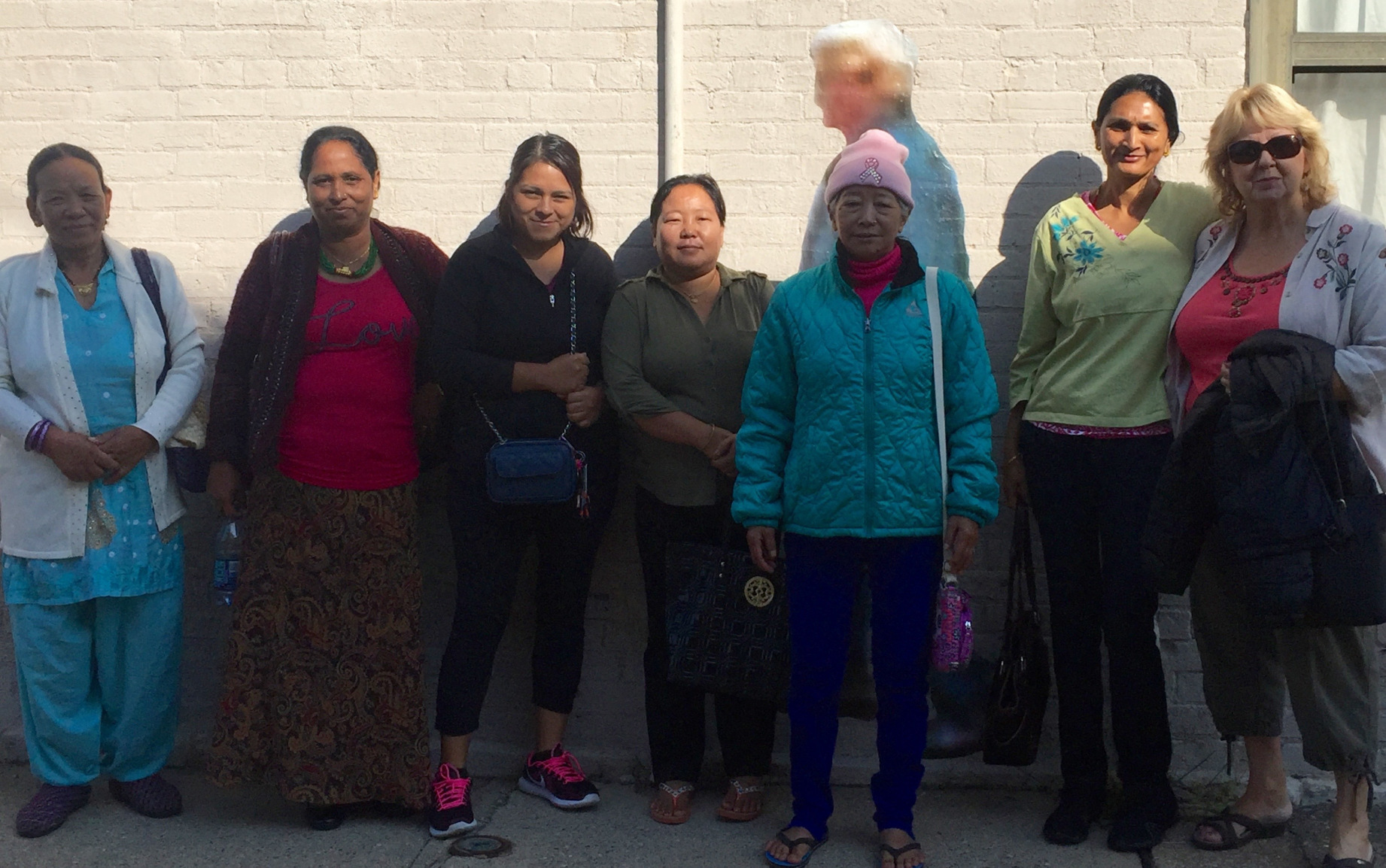
The ladies kicked off their weekly art program in the Fall by taking donated alpaca wool from Tikkun Farms and learning how to felt the material using the wool, repurposed saris and other wools. The final project ended up being a pillow surrounding their art project.
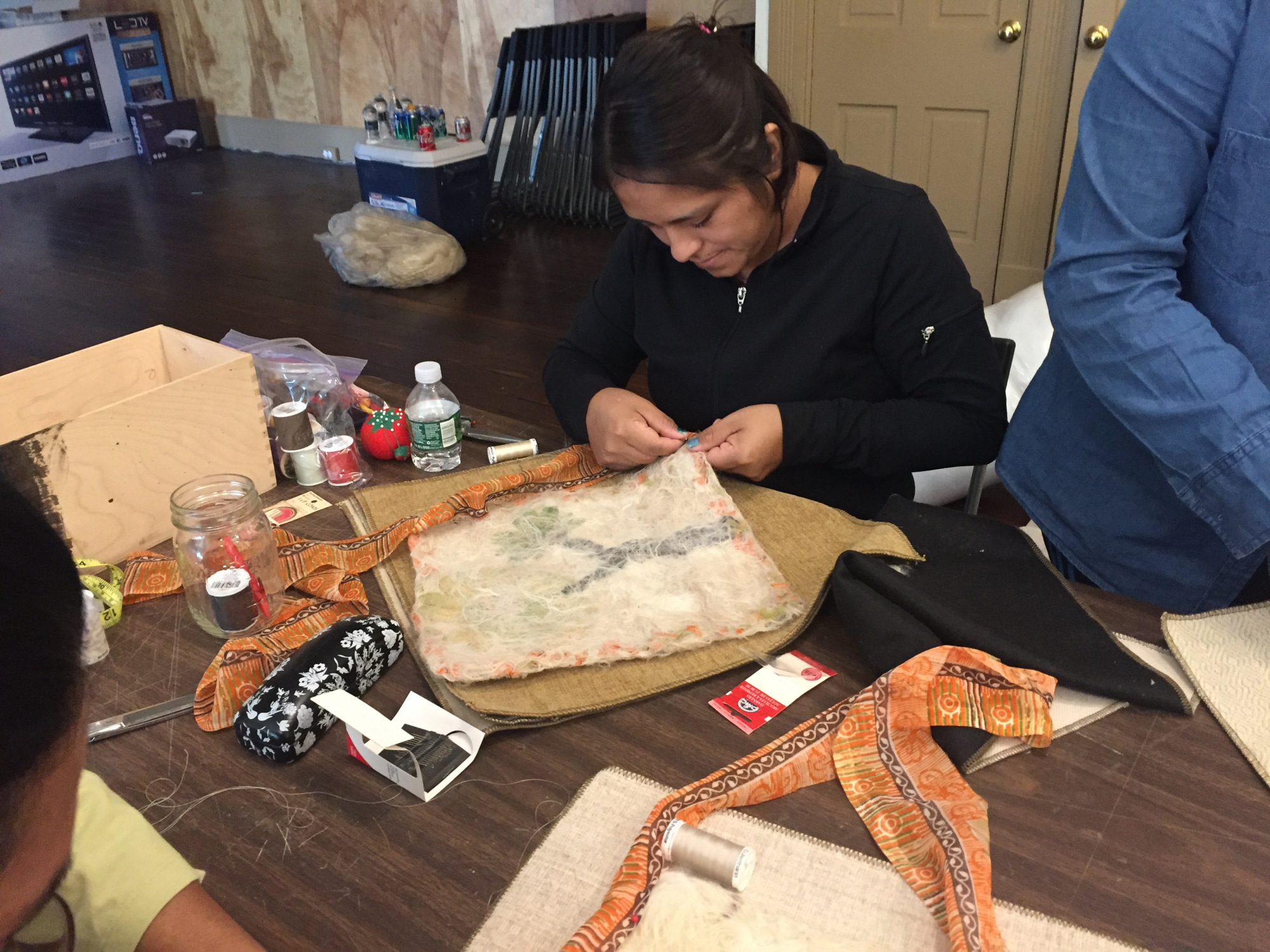
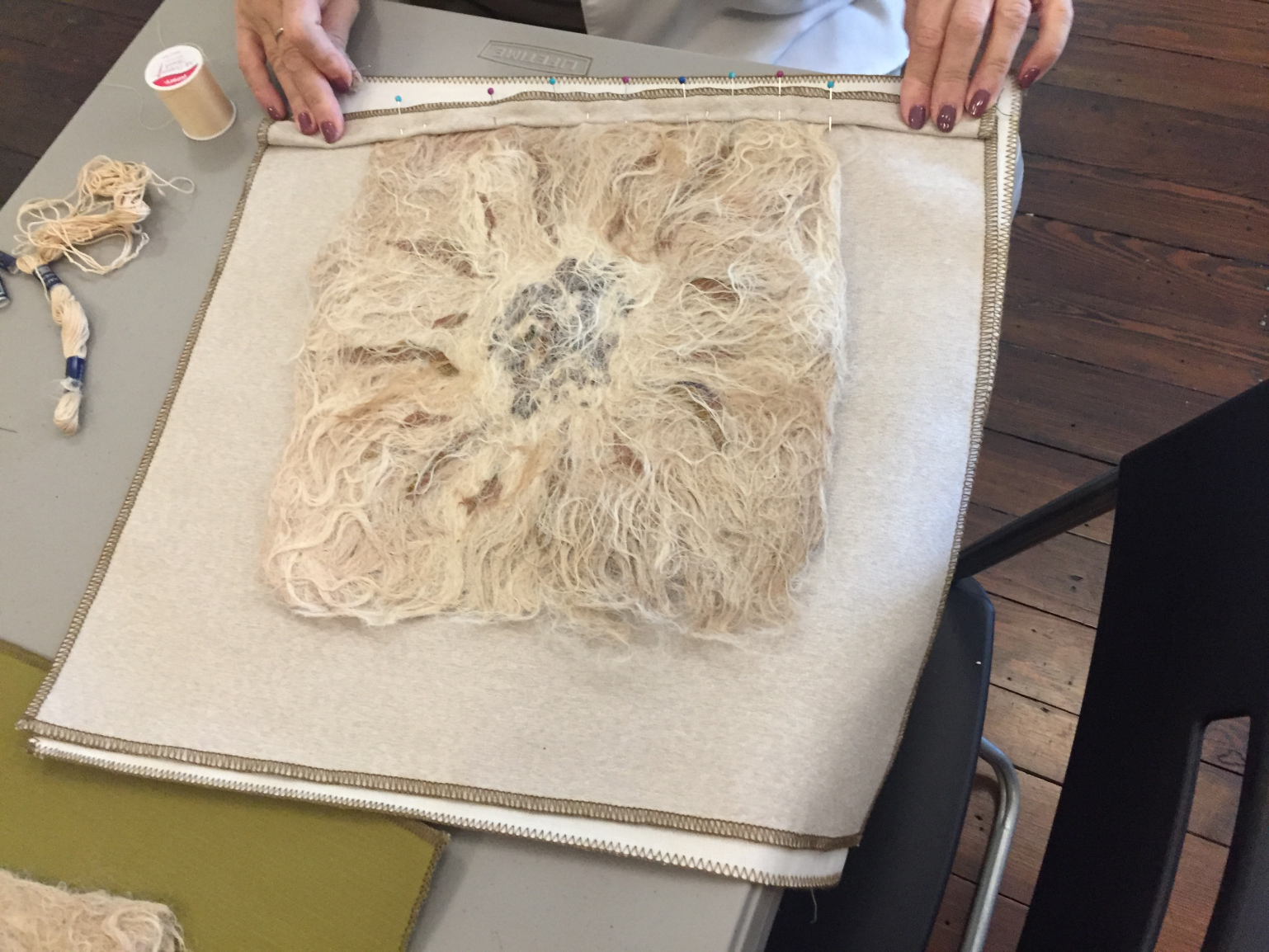
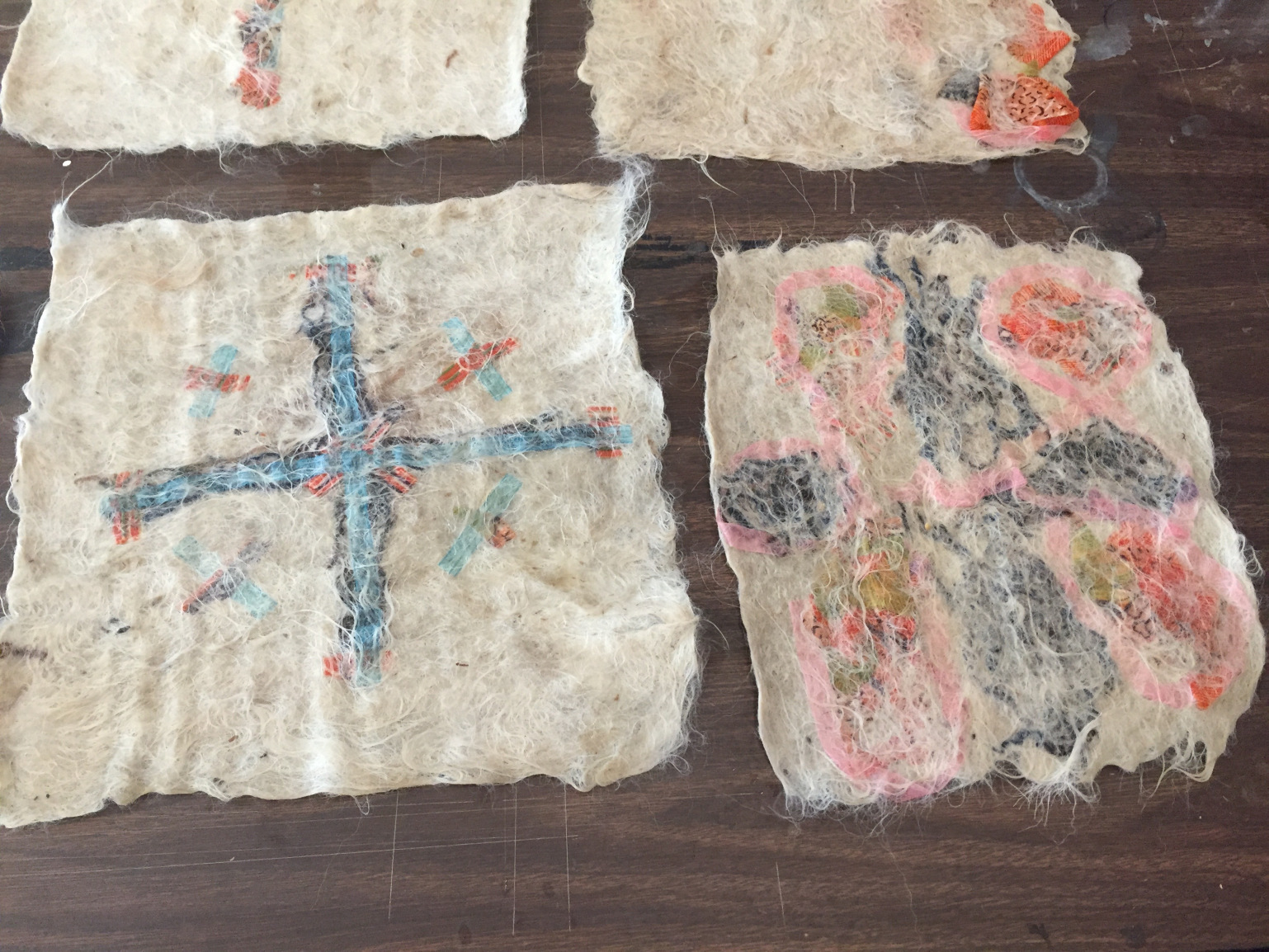
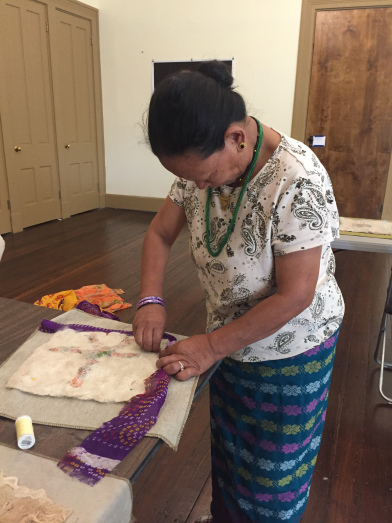
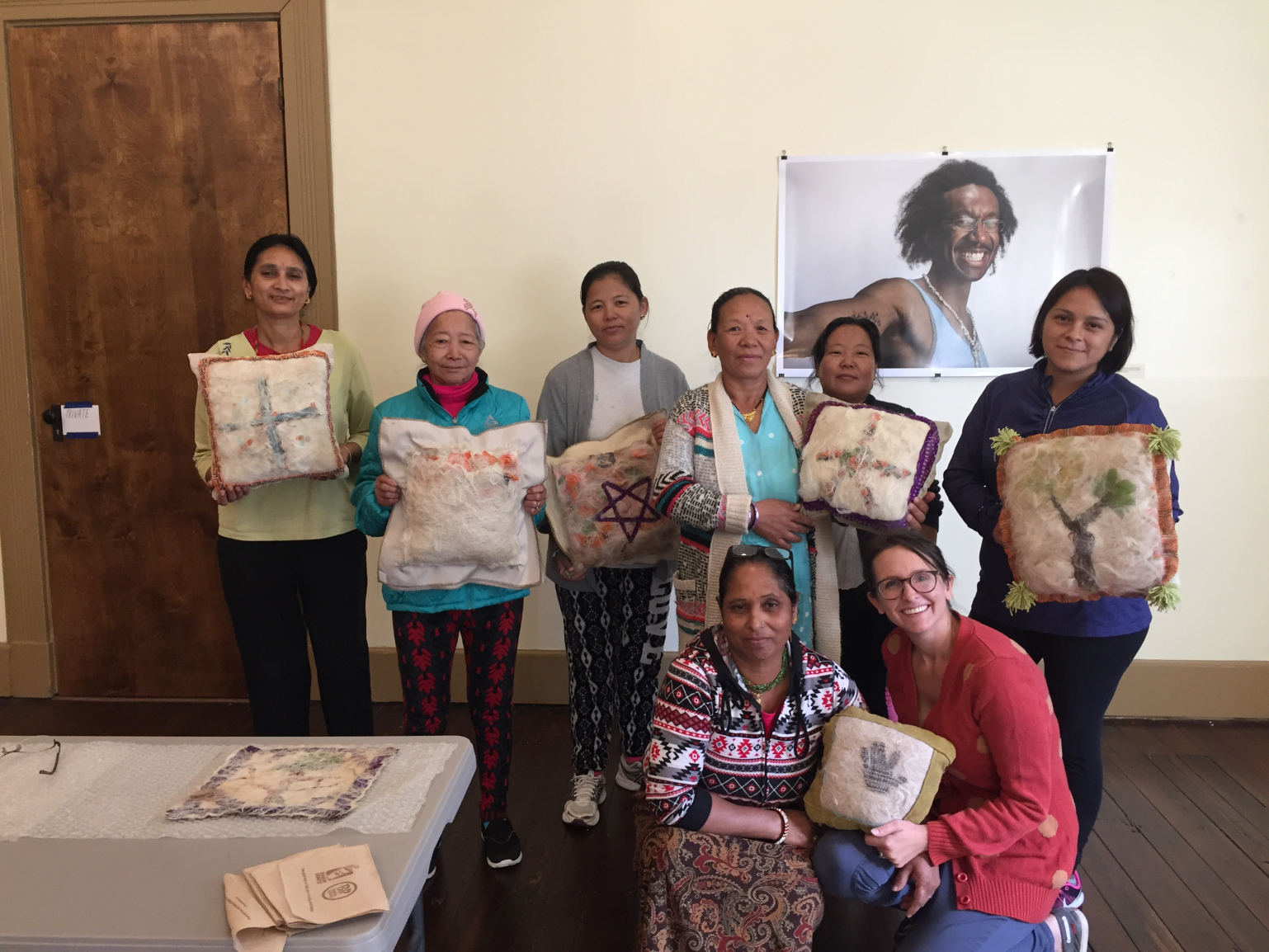
We were invited by ArtWorks to participate in their Hero Design program. Refugee children visited the ArtWorks Garage in Northside and were greeted by secret agents. The kids then worked with their agents to design their own logo or insignia that described the type of superhero they were. The agents then worked on the creation of a cape that will be presented to the children during a special event to be held this month. The excitement and joy was unimaginable. It reminded me of when my children first saw someone dressed as their favorite character only these kids were their favorite character.
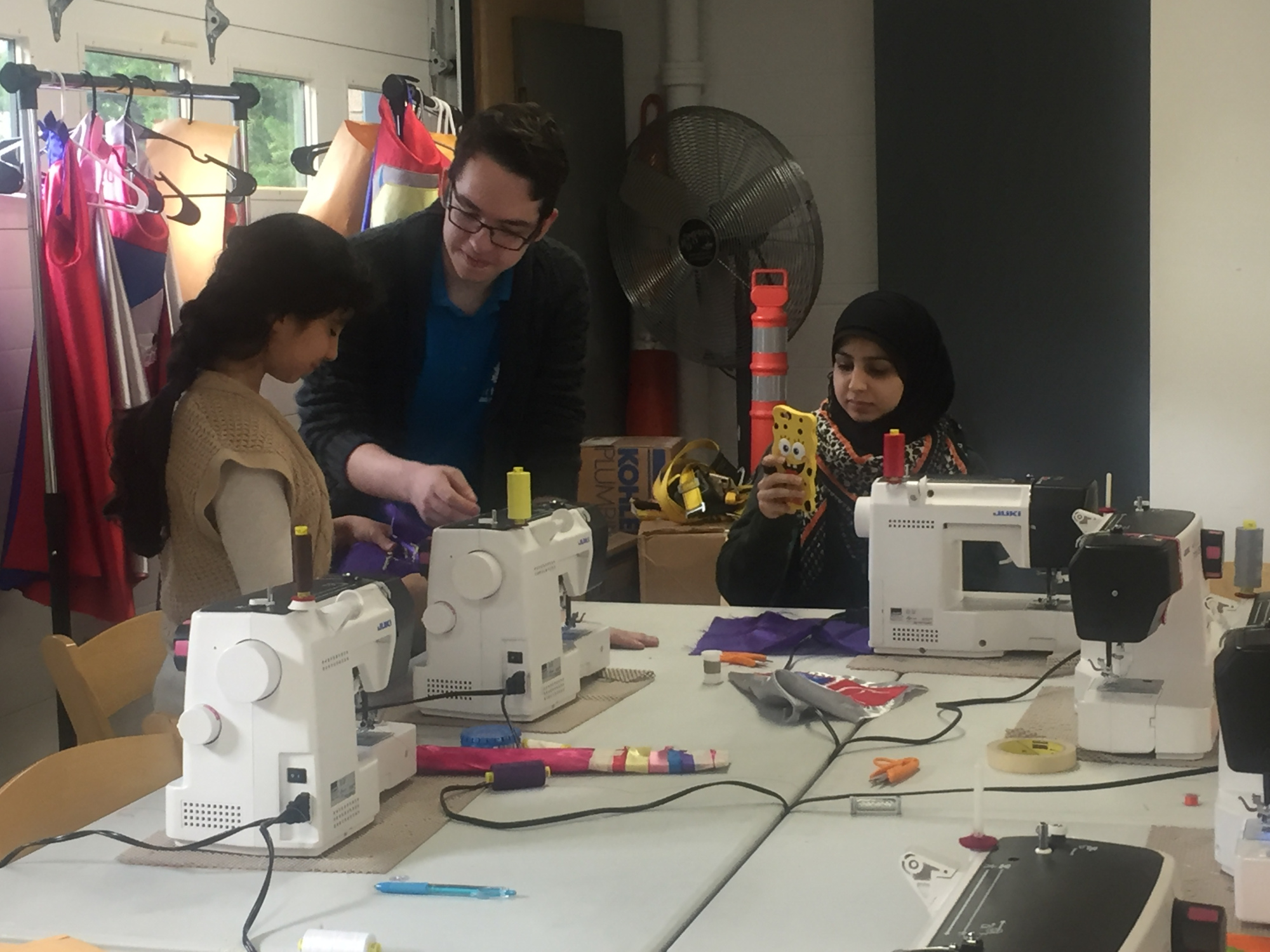
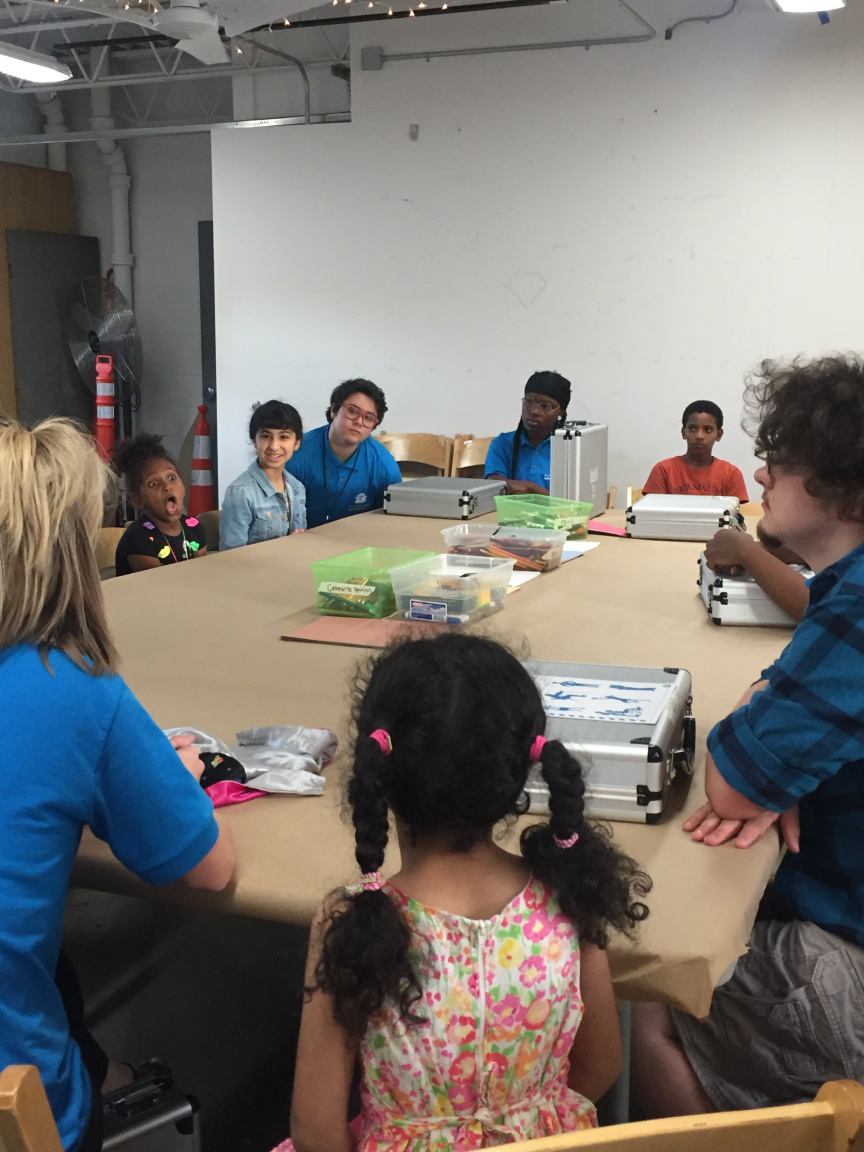
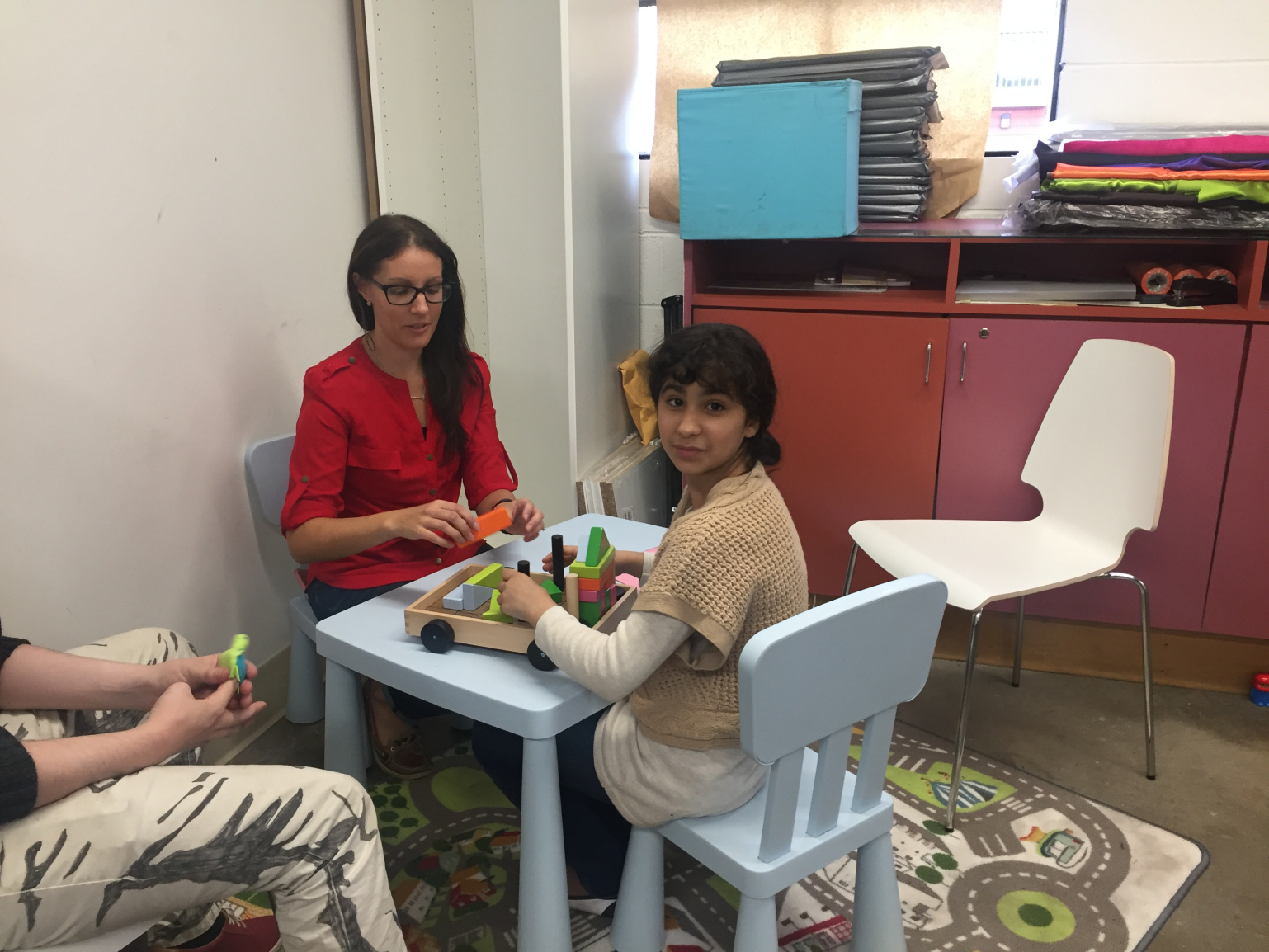
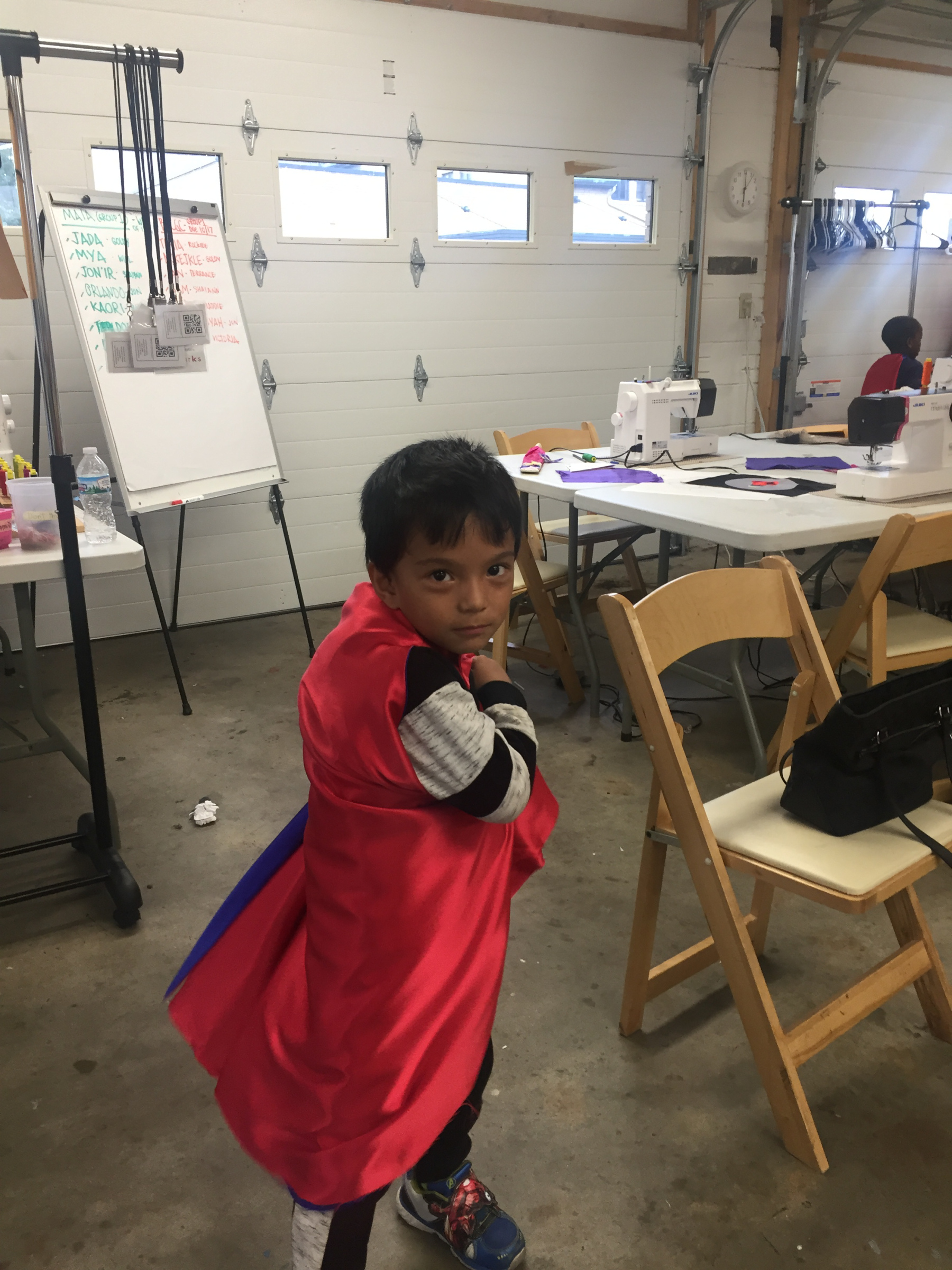
We couldn’t leave this article without discussing the food for our soul the art projects have provided. During the projects there’s a lot of laughter and creation. One student said “before coming to class I didn’t know I could create anything of beauty, now I see beauty in all I do.” Teen girls discuss how they can visually put their storyboards together to keep them on track. In addition, a few of the girls now see art as a viable career option for them.
What’s next? Heartfelt Tidbits and the Wave Pool Gallery plan on continuing down this path. Beading, more felting, photography, drawing and woodworking are all being planned. Other artists have reached out to work with the community.
We’re exploring how to incorporate younger youth into the creation of a mural that could then be painted on the side of the Wave Pool as a permanent piece of art created by our newest neighbors. The opportunities are endless.
In order for these great programs to continue and be successful, please visit and support our partners that make this such a success: The Wave Pool Gallery, Tikkun Farms, and ArtWorks.
Guest Post: STAR - Students Together Assisting Refugees
My experience as a NSLI-Y scholar in Rabat, Morocco, last summer was a turning point in my life. Apart from learning Arabic and enjoying the Moroccan culture…
The following is reposted with permission from the author and local Cincinnati student, Adam Sella. Adam was part of The National Security Language Initiative for Youth (NSLI-Y) program, sponsored by the U.S. Department of State. It provides merit-based scholarships for eligible high school students and recent high school graduates to learn less commonly taught languages in summer and academic-year overseas immersion programs. Adam’s article was originally posted on the NSLI-Y website.
Heartfelt Tidbits is proud to have responded to Adam, by matching him with refugee speakers for the events of the STAR (Students Together Assisting Refugees) Club and supporting the group’s initiatives in various ways like the assembly hosted by STAR. “Meeting with Sheryl connected me to so many organizations and ideas that I wouldn’t have found on my own,” says Adam.
My experience as a NSLI-Y scholar in Rabat, Morocco, last summer was a turning point in my life. Apart from learning Arabic and enjoying the Moroccan culture, I met amazing people, from fellow American scholars to local Moroccans. One thing I did not anticipate was that I would become so passionate about helping refugees in my community.
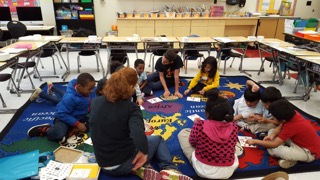

Influenced by other NSLI-Y students who had helped refugees in the U.S., and prompted to action by the unfolding tragedy of the Syrian refugees, I was set to use my Arabic skills to connect with refugees. At first, I reached out to organizations in my hometown of Cincinnati offering them help. But those organizations either ignored my emails, or responded by saying that I was too young. Undaunted, I started a club at my high school that I named Students Together Assisting Refugees (STAR). The club is dedicated to aiding refugees and spreading awareness of the crisis. I was amazed that once I had an official club behind me, people paid attention to me and responded enthusiastically to my emails. Everyone wanted to help us as best they could.
In the few months that STAR has been in existence, we have accomplished a lot. The highlight was a school assembly, attended by over 300 students, where refugees shared their heart-wrenching and inspiring stories about their lives. In addition, we organized a movie night, which doubled as a fundraiser for refugee college scholarships, featuring the refugee-themed movie, The Good Lie. We also launched a Welcome Basket Drive where we collected over 750 items, and raised over $1,000 with bake sales and other fundraisers. Most recently, STAR members started tutoring and playing with refugee children at a nearby public elementary school.
Our future plans include expanding the activities of STAR with a simulation that would allow students get a sense of how it feels to be a refugee and extending the platform of STAR to other schools to increase student involvement.
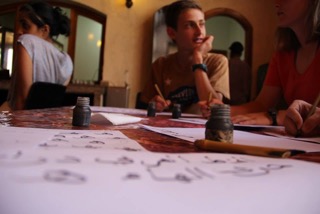
As for my personal plans, I am going this summer to Germany for three weeks to volunteer in an organization that helps Syrian refugee youths who arrived in Germany alone. My experience and involvement in STAR convinced me both that the refugee crisis is a monumental problem with worldwide consequences, and that sadly Americans still care very little about the situation. I hope that the trip to Germany will bring me closer to the epicenter of the crisis and will make me a better advocate for refugees in the US.
Adam Sella is a Senior at Walnut Hills High School in Cincinnati, OH. Apart from his involvement in STAR, he participates in his school’s Model UN club and Academic Quiz Team, and serves as student body president. Adam loves reading, cooking, traveling, playing sports with his friends, and going to theater productions in Cincinnati.
Photo Credits: Adam Sella, Olivia Loomis, Deja Chappell, Nabeela Malek, Amanda Solomon, and Katie Williams
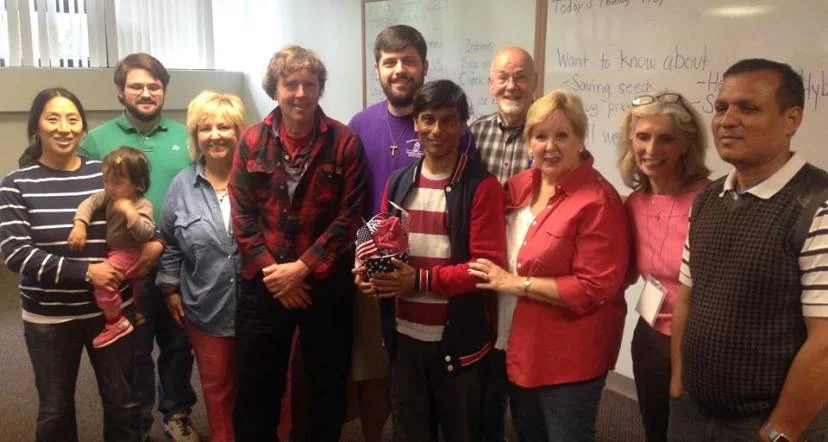
How Did I Get Here?
If you’re a subscriber to our blog you’ve probably been wondering why hasn’t there been a posting? It’s simple. This post…
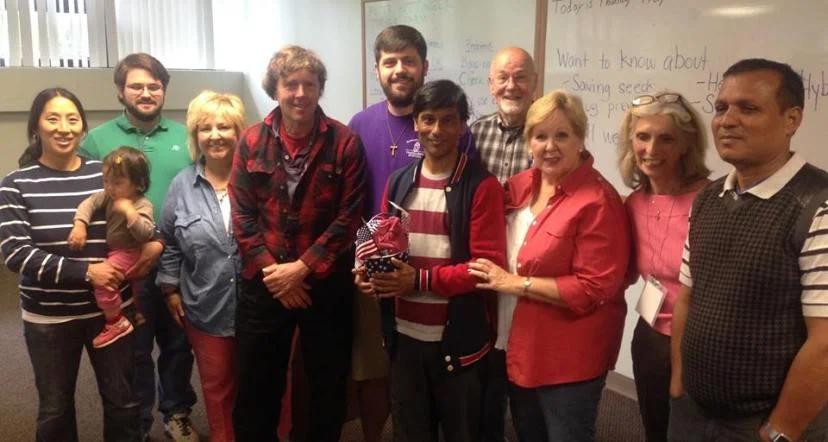
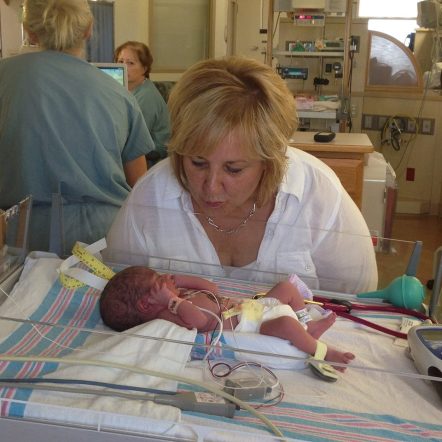
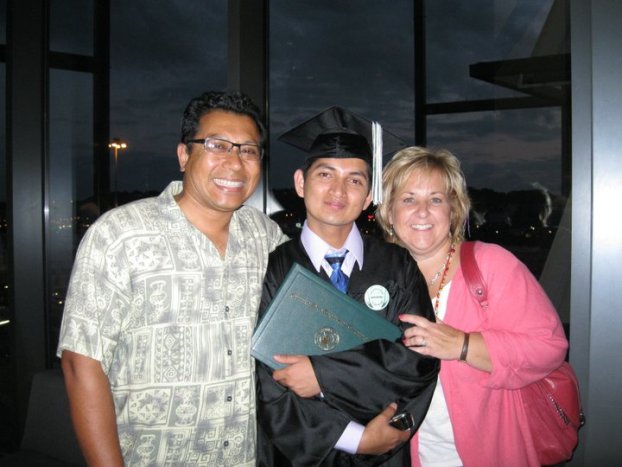
If you’re a subscriber to our blog you’ve probably been wondering why hasn’t there been a posting? It’s simple. This post is from me, Sheryl Rajbhandari, the founder and executive director of Heartfelt Tidbits.
For 19 days writing this blog post has been on the top of my “to do” list yet it never had the black line marked through it. I would be lying if I said I just didn’t know what to say. If you know me, you know that I never have a shortage of stories to share. I have struggled a bit with where to begin but I solved that while brushing my teeth this morning.
So how did I found and become an executive director of Heartfelt Tidbits? I believe it was always meant to be. As a young girl I would travel downtown and was fascinated with the homeless. I wanted to understand who were they, where they lived and share their brown bag lunches. When I left for college my fascination of people that were different than me grew. I lived in an international dorm. I was the girl that played the 30-question game with everyone I met. Not to be nosy, but because I was amazed at how my dorm mates left their safety net and traveled alone on an airplane to a foreign country to go to school. My mind wondered what would entice someone to do this. Four years later while meeting with my advisor to make sure I had what I needed to graduate with my computer science degree, she told me that while she loved having me as a student she just couldn’t picture me sitting at a computer and programming for a living. If I saw her today I would let her know she was correct. Don’t get me wrong – I loved my corporate life in computer science. I was successful, I climbed the ladder and rose to the role I had dreamt of – but deep down I was always searching for more.
While working, traveling and raising 3 kids, I would come home and volunteer for this and that. I would complain that I just hadn’t found my volunteer niche. I loved everything that I did but I hadn’t had that “ah hah” moment. Then in 2008 I intercepted an email to my husband asking for an interpreter for a Nepali refugee to help them prepare for a driving test. I responded even though I didn’t speak Nepali and the email was sent to my husband, who does speak Nepali, and not to me.
My “ah ha” Moment
After that initial call with a wonderful person, Cindy Grieme, a former social worker at Catholic Charities, I was hooked. I agreed to meet the first family, known as the Indra Tamang family. We met and I was engrossed with their story of traveling with little to eat for days, carrying their children on their backs just to reach safety. Then they shared that they had spent 20 years in a refugee camp waiting to be resettled. I thought 20 years – who would wait for 20 years? I couldn’t. I asked them what was going to happen now. They said, “We were hoping you would know.” This was my “ah hah” moment. They presented me with a challenge. I wanted to learn more about them, make their life here the very best and that’s how it began. What Cindy forgot to tell me is that thousands of people from Bhutan would arrive in Cincinnati in the months and years to come, and they all had a unique and fascinating story to tell.
Fastforward to 2016 and what does my life and Heartfelt Tidbits look like? Gone is the corporate job but you wouldn’t notice that unless I told you. My days begin early and end late just as they did before. The difference is the work and Heartfelt Tidbits. While working in the corporate world I dreamt of how I would treat employees if I owned a company. So my nonprofit became my company and my employees became the countless volunteers that lend a hand to make it successful.
“I came up with the name because I thought even if I gave someone a tidbit of my time it would be better than nothing.”
The volunteers I’ve met over the years have been as interesting and inspirational as the refugees and immigrants. I’ve worked alongside a bank president, a former CEO who left his job to form a nonprofit and adopt an entire family of kids when his others became adults, restaurant owners, artists, designers, parents, pastors, writers, singers, an airline pilot, engineers, CFO’s, welders, mechanics, doctors, and the list just goes on and on. Each of their stories is fascinating and what brought them to want to assist refugees and immigrants is as unique. In future blog posts you’ll have an opportunity to learn more about their journeys and path that led them to Heartfelt Tidbits.
What Does it Look Like Today?
What does Heartfelt Tidbits look like today? I can honestly say that it’s very different than I imagined. When I decided to help the first family I thought it was something I would do for a couple of years, the plight of refugees would end and this would end my volunteer role. Wrong. Cincinnati is now home to 12,000 refugees just from Bhutan. That number is hard to track because it grows daily. Many of them have resettled from other cities. There are also refugees that come from Iraq, Iran, Mali, Somalia, Russia, Senegal, Burma, Ethiopia, and Congo… Some are resettled here directly but many move from other cities to join family members. Add to this the services we provide to the immigrant population, those who come without a refugee status and are seeking political asylum or just trying to survive, and our days are full. Six days a week there is a program, meeting or event happening somewhere in the city that Heartfelt Tidbits is a part of.
What does it mean to be the executive director? It basically means that just like in a game of tag, “you’re it.” Sometimes my day begins at 8 am in a meeting for coffee, by 10 I may be teaching an English class, at 1 you might find me visiting a patient in the hospital or assisting someone with job placement, then from 3-7 pm more meetings and at 9-11 pm planning for the next day. Another day may involve cleaning a rental property, bathrooms and all, to prepare it for a new arriving family, visiting the community garden, helping an unaccompanied minor find a safe place to sleep or holding the hands of parents while their child passes away.
Then there’s the middle of the night phone calls. They’re the best stories. My 21 and 17-year-old sons love that my husband and I have grown quite accustomed to what happens in the middle of the night.
Some funny middle of the night calls. “I ran over a sign on my way home, how do I get my car off of it?” “How do I get home from work?” Then there are the ones that you don’t like to receive. “I’m at the hospital with my child or parents, can you come?” “I’ve been in an accident, what do I do?”
Before I taught my own boys how to drive a car I taught 22 other young men and women how to drive. By the time I got to my own kids I wasn’t scared. We still get asked to teach people how to drive because their lives change. I have a woman that I’m helping teach to drive because her husband is losing his eyesight. She is the only one working and knows that she has to learn to drive – all at the age of 58.
There are the days that I get called to come to the hospital to witness the birth of a child. Fascinating.
Each time I take a person to register for college, assist with FAFSA and scholarship forms, school registrations and visit open houses it’s as if I’ve become parents to each of them. I feel so proud of who they’ve become despite the obstacles they had to overcome.
Then a few days a week I have a steady routine and that is to teach. I love teaching adults. I find it so rewarding. I pick up on the smallest success and marvel in their perseverance. I often ask myself if I have the strength to do something like this. Would my brain even absorb another word in another language? After 23 years of marriage to a Nepali-speaking person, I’ve mastered perhaps 10 words (with 8 of them being taught to me by the Bhutanese).
“It’s the love for human beings and a longing to know their story and understand who they are.”
What keeps me going? We’re currently 100% volunteer based so it’s not the salary. It’s the love for human beings and a longing to know their story and understand who they are. I want to provide my shoulder along with the wonderful volunteers shoulders when they need one. I came up with the name because I thought even if I gave someone a tidbit of my time it would be better than nothing. Heartfelt Tidbits provides an opportunity for everyone to share love, embrace and celebrate difference and all that is good in this world.
The reward? An indescribable love and an opportunity to live a life that fills my soul.
Thank you for supporting us by following the blogs, liking our Facebook posts and providing that shoulder to lean on!
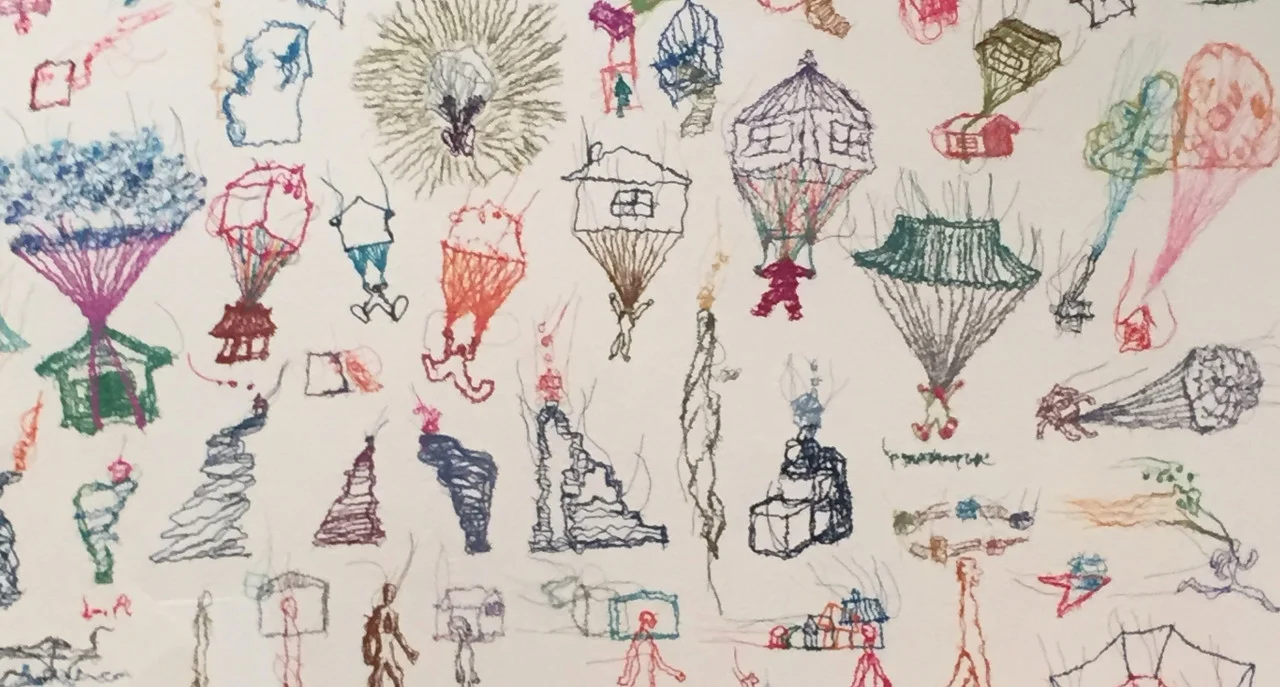
Passage: an exhibit about home, place and migration
Passage is an exhibit by Korean-American artist Do Ho Suh currently at the Contemporary Art Center in Cincinnati. Every house Suh has…
Passage by Do Ho Suh

Passage is an exhibit by Korean-American artist Do Ho Suh currently at the Contemporary Art Center in Cincinnati. Every house Suh has lived in throughout his life serves as inspiration for remarkable meditations on the legacy of home, place and migration. These themes and their resonance with the refugee and immigrant experience compelled artist Calcagno “Cal” Cullen, founder of Wave Pool: A Contemporary Art Fulfillment Center, to partner with Heartfelt Tidbits in bringing the Passage experience to a group of refugees, immigrants, and new Americans in Cincinnati.
As a CAC docent, Cal was an excellent host through the journey of Passage, explaining that Suh’s migration to new places and homes can be likened to a snail who picks up his home and takes it with him. A simple piece of Suh’s work illustrating a bridge across two different places evoked reflection on how refugees and immigrants always carry with them a connection to the places from which they’ve come.

Cal Cullen: “Suh’s life is like a snail’s; he picked up his home and took it with him”

Suh’s expression of a home between two places

Ram Rai
An artist in the group named Ram Rai was impressed by Suh’s use of thread embedded on cotton paper to create a paint-like look. Ram, who enjoys painting images and memories of his home country of Bhutan, was invigorated by Suh’s innovation.
Ram Rai is a self-taught artist who learned his skill while living in a refugee camp in Nepal. Ram’s work focused on drawing people and objects that he imagined living in far away places. He used his talents to teach children basic drawing techniques. After arriving in the U.S., Ram began drawing and documenting his vivid memories of his life in the refugee camps. He expanded his drawing techniques and began by experimenting with acrylic paints and canvases that were easy to acquire in his new home.
Here is a sample of one of his camp memories that was recently featured during a Bhutanese cultural program held in Cincinnati:

Refugee camp memories by Ram Rai
“I liked everything,” said one group member named Olga. “It was my first time [to the CAC] and it was very emotional.” Another group member’s favorite part of the exhibit was Suh’s documentary that showcases the incredible construction feat that made this happen: Fallen Star in San Diego, CA. A significant amount of Suh’s artwork is fabrics, which excited one of the group members named Krishna who is a skilled fibers artist herself.
Cal facilitated an art project for the group that involved drawing a memory of home using the technique of contour drawing. See Cal demonstrate contour drawing:
The project was an exercise for the group to get in touch with the senses of home – interestingly, garlic was a common smell that the many remembered from their childhood across cultures. As Cal explained and as the exhibit captured so well, sometimes we cannot explain such important memories using language alone, and we turn to art.

Listening to the contour drawing instructions
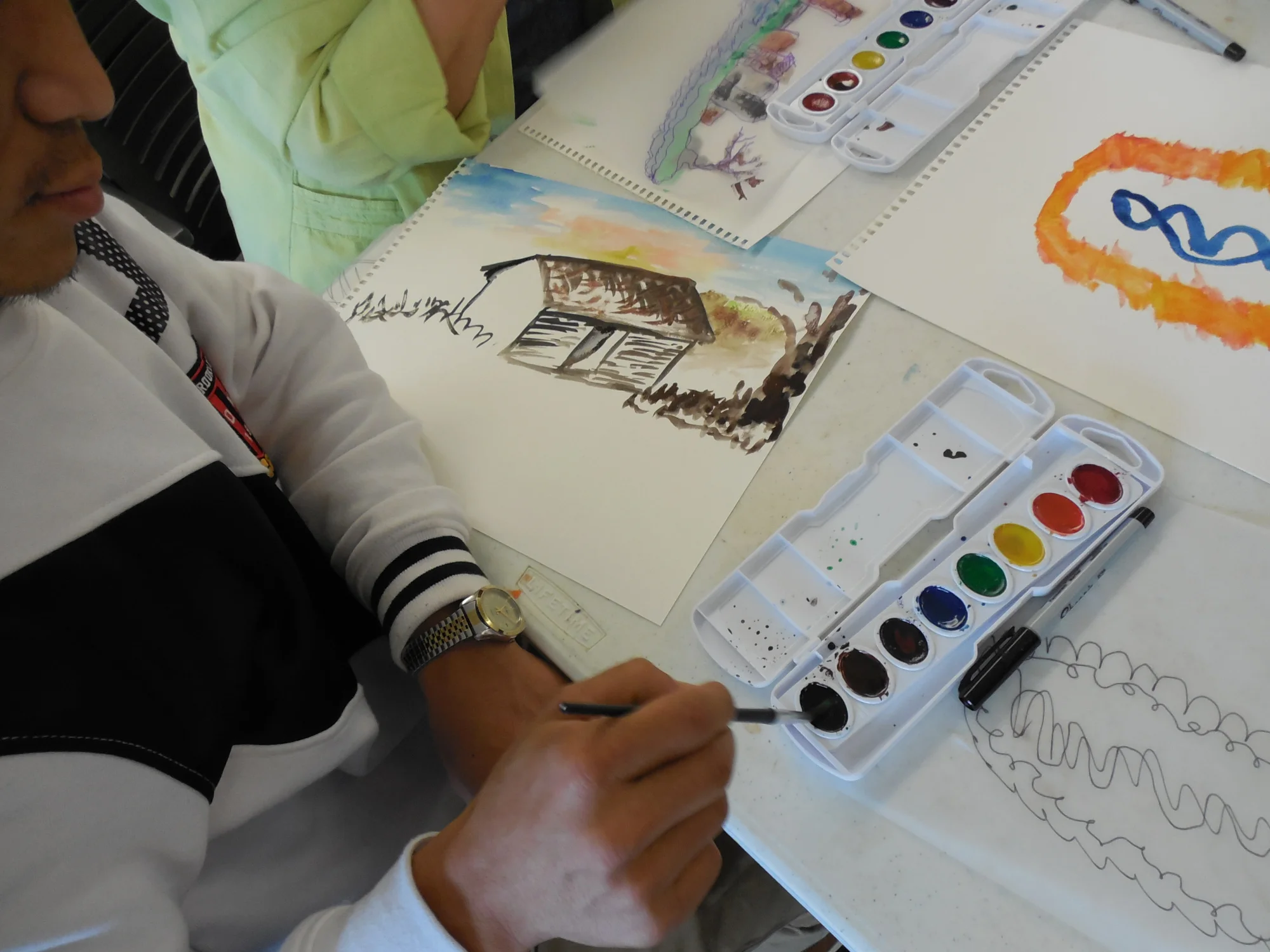
Artist Ram Rai excels at Cal’s art project during the CAC visit
More about Cal Cullen
Cal Cullen reached out to Heartfelt Tidbits after learning about their work with local refugees. She and her husband had moved to Cincinnati and opened the Wave Pool Gallery. Cal recently finished a collaborative project with refugees living in a camp in Southern Italy. She did several art projects related to their hopes, dreams, and memories and I worked to turn some of their art into a wallpaper design that now benefits the UNHCR (read more here) The tour of Cincinnati’s Contemporary Art Center is the beginning of more creative projects yet to come.
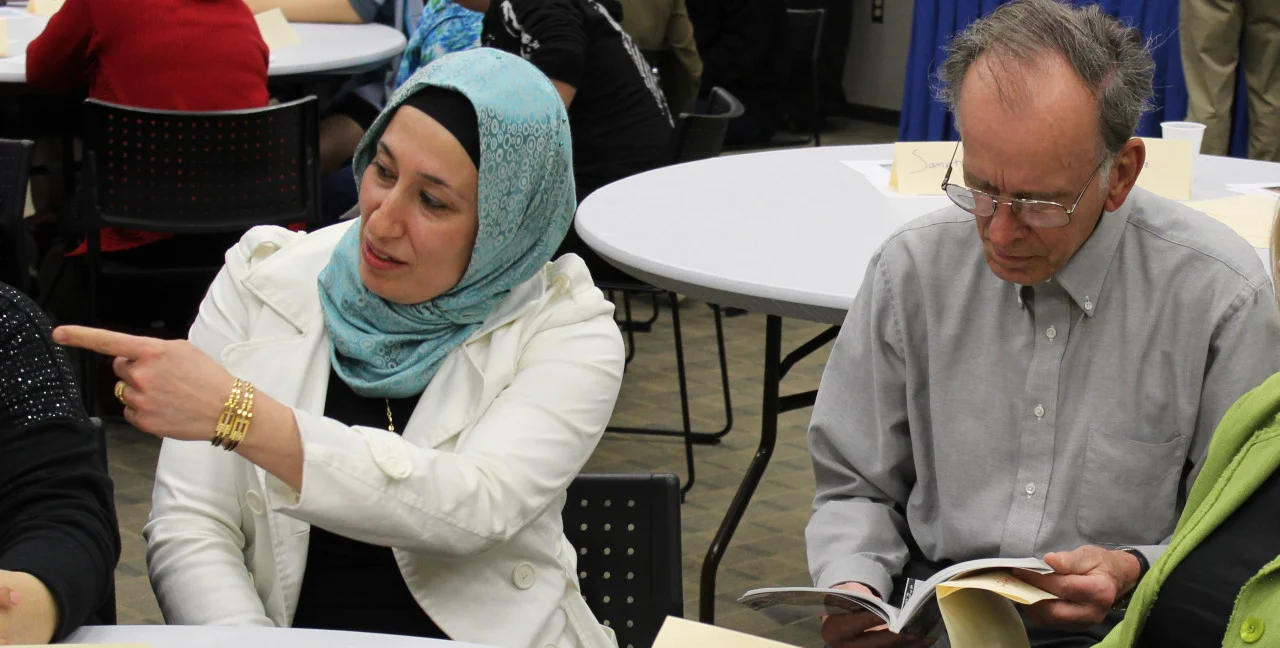
Meet Fadiyya
Fadiyya Alshawk is a dynamic woman. She is positive, intelligent, and she smiles a lot. Her energy is contagious. Fadiyya is also a refugee from Iraq…

Fadiyya Alshawk is a dynamic woman. She is positive, intelligent, and she smiles a lot. Her energy is contagious. Fadiyya is also a refugee from Iraq.
On March 15, 2016 Fadiyya told her story at “Women’s Journeys, Women’s Voices,” a program for refugee women from Burundi, Rwanda, Bhutan, Bosnia, Vietnam, and Iraq to tell their stories. The program was held at Miami University Middletown (MUM) and hosted by MUM and the National Underground Railroad Freedom Center.

How Fadiyya and her family became refugees
Fadiyya and her husband Mazin and their children Esso, Husam, Naider, and Maryam, left Baghdad in 2011 after their home was bombed and after years of danger and violence. Fadiyya courageously fought injustices in Iraq, but this time were forced to leave.

From left to right: Naider (Fadiyya’s son), Mazin (Fadiyya’s husband), Fadiyya, Maryam, and Najat.
Fadiyya and her family left with just the clothes they were wearing and took a bus to Turkey. In Turkey, Fadiyya made cakes to support her family and worked 12 hours a day. Fadiyya and her family applied for refugee status, and after three meetings with officials, were approved to come to the United States in 2013. Fadiyya feels freedom, but says that in the last year she thinks more people look at her strangely, maybe because of the Hijab she wears.
The rest of Fadiyya’s family is back in Iraq, where it is still dangerous. In June last year, Fadiyya lost her brother. She speaks to her father and other brother on Facetime. It is very difficult for them to come to the U.S. as refugees, now more than in the past. “I miss my family and nothing else” she says about Iraq.
What is it like for Fadiyya and her family here?
In the U.S., Fadiyya took English classes but says she learns more English from working at a local grocery store and from her friends. She likes it here – “the summers are wonderful,” she says – but she misses her family and laments for Iraq. One person asked Fadiyya if she was Shiite or Sunni. She responded, “I am just myself.”
Her son Naider says that he likes the U.S. because it is “safe, the people are nice, I can work and go to school, and I am a citizen.”
Her husband Mazin used to fix and build houses in Iraq but because of an eye surgery is unable to work right now. Mazin also was injured badly in the Iraq-Iran War of the 1980s (1980-1988) but had surgery to fix these wounds in 1987.
Fadiyya’s mother-in-law Najat is learning English so she does not have to rely on interpreters at places like health clinics. Najat wishes she had a driver’s license to go where she wants, but she says she is mostly stuck watching television. She has children in Iraq and the U.S. and so she says “My heart is in the middle of Iraq and the U.S.”
Below is more of Fadiyya’s story, by Noor Amir.
“In 1973 a little girl was born named Fadiyya Alshawk. Fadiyya grew up in Iraq and had a simple childhood, which she cherished dearly. She received an education and would often travel to distant countries with her father such as Europe. She enjoyed a safe and secure life in Iraw and would be able to do little pleasures such as sleep with your door open, which would be a great danger in present Iraq. The president of Iraq during the time did not give citizens freedom and killed many Shiites, but life was peaceful compared to present day Iraq. When Saddam Hussein was killed Iraqi citizens thought they had gained the gift of freedom. Then everything changed and ISIS took over Iraq.
ISIS terrorized Iraq and killed many religious groups. They killed Shiites, Christians, Yazidi and many small religious groups. Fadiyya lived in a very dangerous area and there was constant killing and bombings. They killed so many people and left their bodies in the streets to rot. Most people ignored the corpses because of the fear that ISIS would persecute them and due to this lived in pure survival mode. Fadiyya could not be a bystander. Despite the regulations of ISIS, she would call American soldier to pick up the dead bodies. ISIS saw her talking to the American soldiers. They came to her house fully armed and shot her brother in law and cousin, but luckily they survived. Often bombing would occur in the street, and one day a bomb exploded in her house. After this incident they decided to leave everything behind and set off towards Baghdad. In Baghdad they lived very close to American facilities. ISIS often would bomb these facilities, and one day a bomb landed in her garden. It became impossible to continue living in Iraq. With little money and a few essentials, they fled towards Turkey. While living in the refugee camp, life was safe, but refugees were treated very poorly and had little rights. In order to gain citizenship, she would have to live five years in the camp. In Turkey, with the help of the UN, she gained political asylum in the US.”
Photo credits: John Schaefer, Ph.D, Miami University Middletown
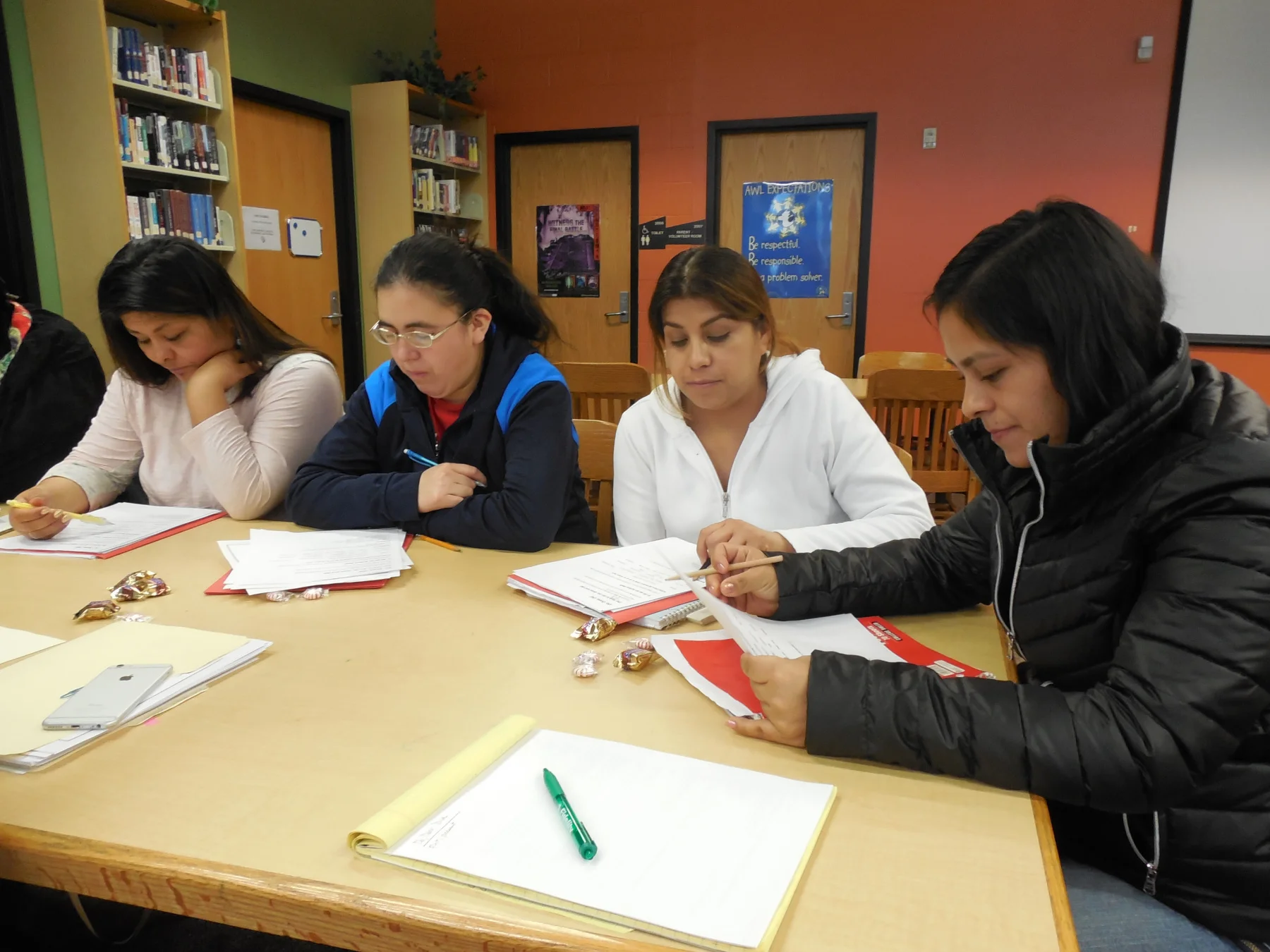
Evenings Learning English
On Tuesday and Wednesday nights, a group of moms and dads – Fabiola, Karina, Marta, Olga, Selma, Bijoux, and Samba – gather to learn English in the…
On Tuesday and Wednesday nights, a group of moms and dads – Fabiola, Karina, Marta, Olga, Selma, Bijoux, and Samba – gather to learn English in the Academy of World Languages (AWL) school library in Cincinnati. They are parents of AWL students, who are learning English themselves through their school curriculum. The parents at the English class on Tuesday and Wednesday nights come from diverse countries around the globe: Mexico, Guatemala, Mauritania, The Democratic Republic of the Congo, and Mali.
The parents’ journeys to Cincinnati are as diverse as their home countries, and many of them were very difficult journeys. One parent had to ride in the trunk of a car to come here. We wanted to understand what they like (and perhaps what they do not like) about Cincinnati as compared to their home countries and why they wanted to learn English.
What do you like about Cincinnati?
“I grew up in a village. Before coming to Cincinnati, I lived 4 years in New York in the Bronx. When I lived there, I worked at a car wash 12 hours a day, 6 days a week, for 3 dollars an hour. I did this for 7 months and almost returned to my home country. But, a friend in Cincinnati told me to move here instead. The first year I lived here, one day I came home and everything was gone [stolen].In Cincinnati, I do not have a problem with the community. My job, my family, my children are everything to me.”

AWL’s students and their parents come from diverse places around the globe.
“I like Cincinnati. In my country it is very different. It is more safe here, and I feel better. I miss my family.”
“I like it here because in Guatemala there are no jobs and too much violence.”
“I like it both here in Cincinnati and in Africa, where I am from.”
“I like Cincinnati because of the work, jobs, and school. There was too much fighting where I came from. My father died; he was shot because he was a political figure.”
Why do you want to learn English?
“To talk with my kids and help them with their homework. Maybe next year, after my youngest goes to preschool, I want to find a job.”


Sheryl Rajbhandari teaches parents English at the AWL school library.
“To help my kids with homework but also to speak English at the clinic if my kids become sick.”
“For me, I work at McDonald’s, and I would like to improve my English skills for my job.”
“I want to learn English for my family.”
“I would like to speak English, write good English, and go to college next year in medicine or pharmaceuticals.”
“I have exposure to English from work. I understand 80% of English, but to write a sentence is challenging. Many times I can listen, but it is difficult to write.”
How does this program differ from other ESL classes?
AWL offers two parent English classes, one for beginners and one for public speaking. Sheryl Rajbhandari teaches the beginners class. We asked Sheryl to explain how this program differs from her other ESL classes.
“This is such a small group that I’m able to quickly form a relationship and bond with each parent. While almost all of them are from different countries, the bond I have with them allows me to work with them as individuals in this small group and celebrate each person’s accomplishments.”
As a teacher, what have you gained from this experience?
Sheryl has become a resource for parents on where to go for additional support they may need such as employment assistance, food, clothing and affordable housing options. What has Sheryl gained from this experience?
“An awareness of what an amazing, passionate and dedicated staff they have on board at AWL, from the people at the front office, the teachers and administrators, and the staff from Beech Acres. It has made me even more aware that people usually do not leave their homeland because they want to but because they are forced to for the safety of themselves or their families.”
About the parent ESL classes
The parents overwhelmingly voted to start the English classes when AWL polled parents on how they could better serve them. Liz Gottmer from Beech Acres who works with AWL on supporting families and Jill Smith who is the Resource Coordinator at AWL coordinated the English classes.
“My favorite thing about the classes is not only the learning but the building of community among the parents through carpooling, celebrating at the end of the season with a potluck of many different ethnic foods, developing friendships, and enjoying the classes,” said Liz. In some cases, the English classes have led to parents going on to further their education.
AWL’s parent English classes are made possible by a grant through the Schiff Foundation and coordination of Beech Acres Parenting Center. AWL is a school for both children learning English as a second language and children learning a foreign language. It is one of Cincinnati Public School’s “magnet schools” for this specialized reason. Families of AWL come from around the world to Cincinnati for different reasons, and many of these families come as refugees and immigrants.
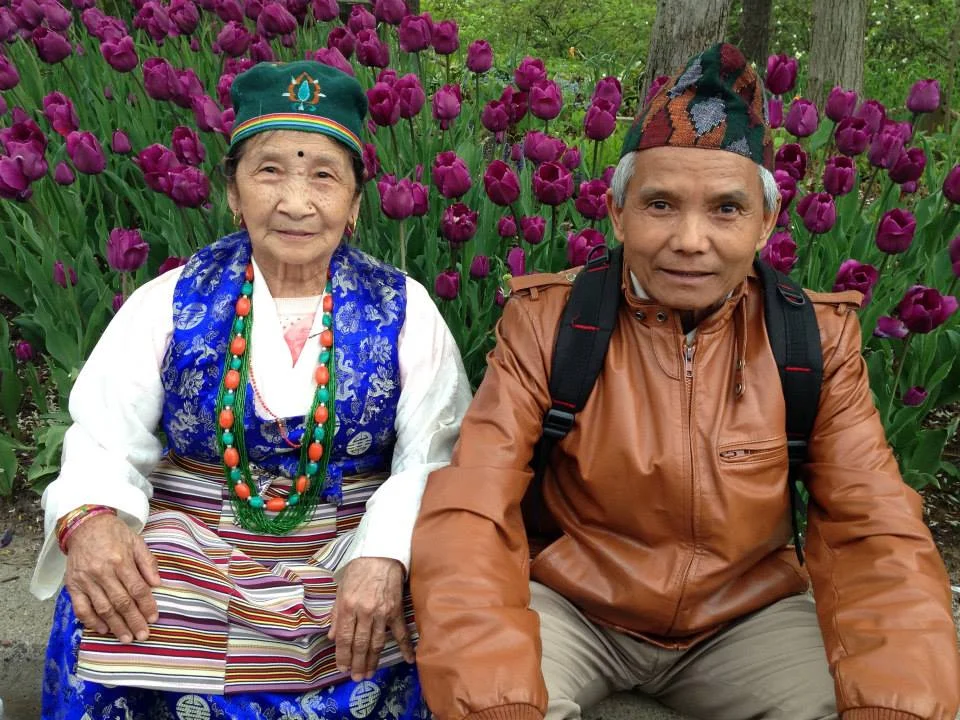
Welcome & About this Blog
Welcome to Heartfelt Tidbit’s blog dedicated to sharing the stories of refugees and immigrants in Cincinnati…
“Stories are the self’s medium of being”
– Arthur Miller, The Wounded Storyteller
Namaste! Welcome!
Welcome to Heartfelt Tidbit’s blog dedicated to sharing the stories of refugees and immigrants in Cincinnati. Cincinnati is home to 34,000 refugees who have resettled in the United States since 2008. That number keeps growing, as each week secondary migrants (relocating refugees) move here from other cities!
Heartfelt Tidbits is a 100% volunteer-based organization that provides support and services refugees need during and beyond the initial days of resettlement, in order to become truly settled in our city. Many of the recent refugees Heartfelt Tidbits work with come from the tiny country of Bhutan which is surrounded by the Himalayan Mountains north of India and South of Tibet. Cincinnati is home to refugees and immigrants from many different parts of the world. We invite our new neighbors and those serving them to contact us. We would love to share your story!
A Listening that Speaks
One way the Cincinnati community can welcome refugees and immigrants is by listening to their stories with openness and compassion. In this way, it is a type of listening that speaks. This blog will give local refugees a chance to share their stories of the long journey of leaving their home countries and finding their new home in Cincinnati. We invite you to become a witness to their story.
What to Expect
The many ways we will share refugee and immigrant stories include:
- Stories from local refugee and immigrant families
- Stories from the volunteers serving local refugee and immigrant families
- Guest writers
- Recipes from the refugee community
- Highlights and news from the refugee and immigrant community
- A day in the life of … our programs, our director, etc.
- Educational blogs (e.g. what’s the difference between an immigrant and refugee?)
We aim to make our stories meaningful, interesting, and touching. If you have any blog ideas or have a question for us, please contact us!
Thank you!
We thank you for welcoming refugees and immigrants through reading this blog. Please share the Heartfelt Tidbits Blog with family, friends, and neighbors and like our Facebook page so that more people can join us in welcoming our newest Cincinnati neighbors!